
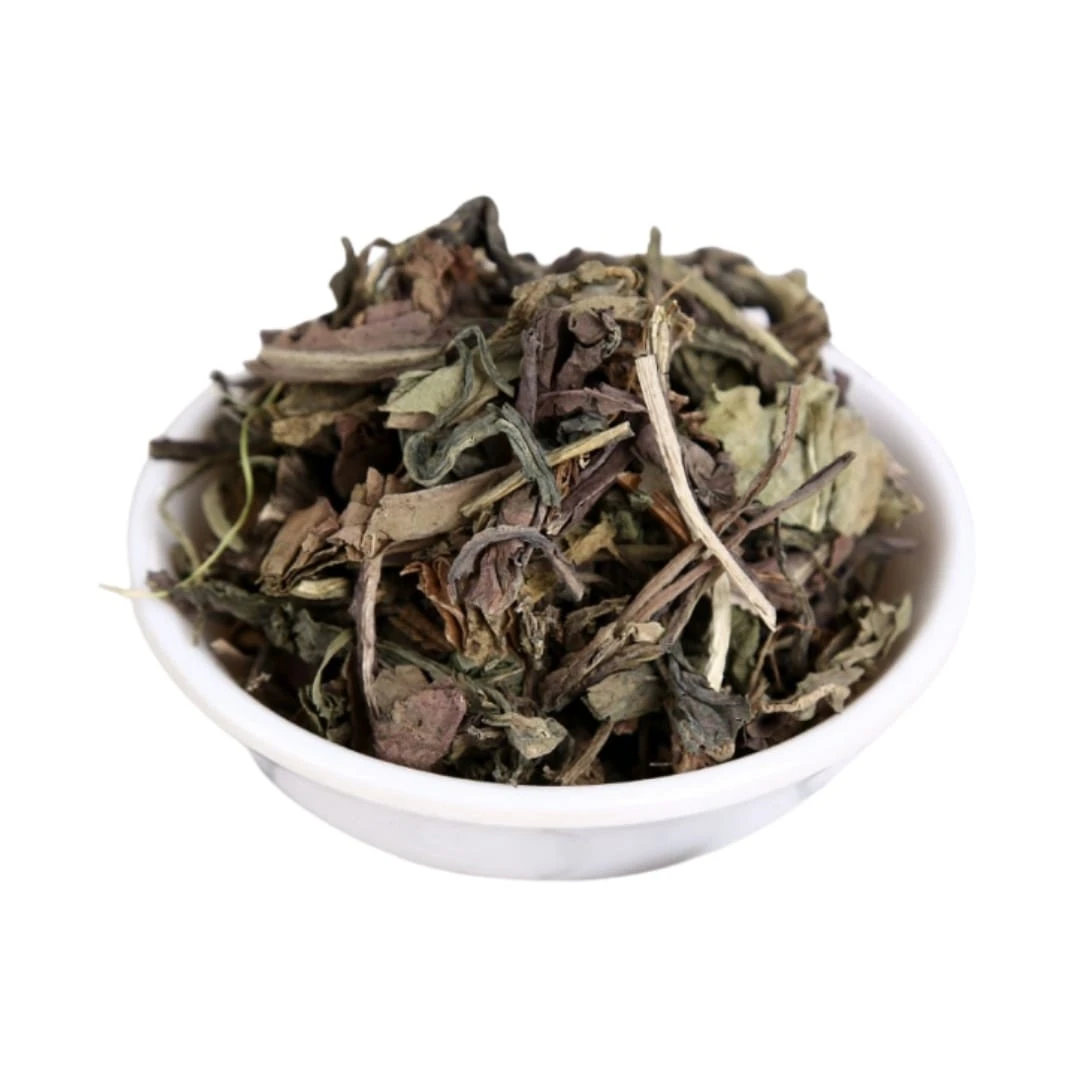


Product Introduction
Indigowoad leaf, derived from Isatis tinctoria L., holds a significant place in traditional Chinese medicine. The herb is valued for its properties in clearing heat, resolving toxicity, and cooling the blood. It is commonly used to address various conditions related to heat and inflammation.
Main Active Ingredients
The key active components within indigowoad leaf consist of indigo glycoside and indirubin. These compounds are believed to contribute to the herb's therapeutic effects, including antiviral and anti-inflammatory actions. Research suggests that these ingredients play a crucial role in the pharmacological activities associated with indigowoad leaf. [1]
Product Application Scenarios, Usage, and Dosage
Indigowoad leaf is frequently applied in scenarios involving heat-related ailments, such as fever, sore throat, and skin infections. The herb is often administered orally in the form of decoctions or herbal formulas. Typical dosages range from 6 to 15 grams, depending on the specific condition and the patient's individual needs. It can also be used topically for certain skin conditions, promoting healing and reducing inflammation. Dosage must adhere to professional guidance, since improper use of herbal remedies can lead to adverse consequences.
Introduction to the Source Plant, Distribution, and Growth Environment
Isatis tinctoria, the source plant for indigowoad leaf, is native to regions of Europe and Asia. It thrives in temperate climates and is cultivated in various countries, including China. The plant prefers well-drained soil and sunny locations, and it can grow to a height of about one meter. Its leaves are harvested for their medicinal properties. The plant is adaptable, growing in various soil types and elevations, contributing to its widespread distribution.
Harvesting, Processing, and Storage
The harvesting of indigowoad leaves typically occurs in the summer and autumn seasons. After harvesting, the leaves are dried, either in the sun or by artificial means, to reduce their moisture content, thus preserving their quality. Proper storage is crucial to maintain the herb's potency. It should be kept in a cool, dry location, away from direct sunlight and moisture, to prevent degradation and ensure long-term efficacy. [2]
Citations:
[1] R. P. Brittain, G. C. Chen, J. M. Ye, C. H. Xiao, and X. M. Qian, "A Review of the Chinese Herb Radix Isatidis as a Potential Anti-Viral Drug, " Complementary Therapies in Medicine, vol. 33, pp. 80-91, 2017.
[2] Xie Z, Qin B, Chen L, et al. Traditional Chinese medicine injection: quality control and challenges. J Pharm Biomed Anal. 2011;55(5):895-915.
Mia Wu

Hi, I’m Mia Wu! I love helping customers discover the best natural ingredients for their products. With a passion for herbs, spices, and fungi, I work to make sure you get only the finest raw materials. Let's grow together! 🌱✨







