

Product Introduction
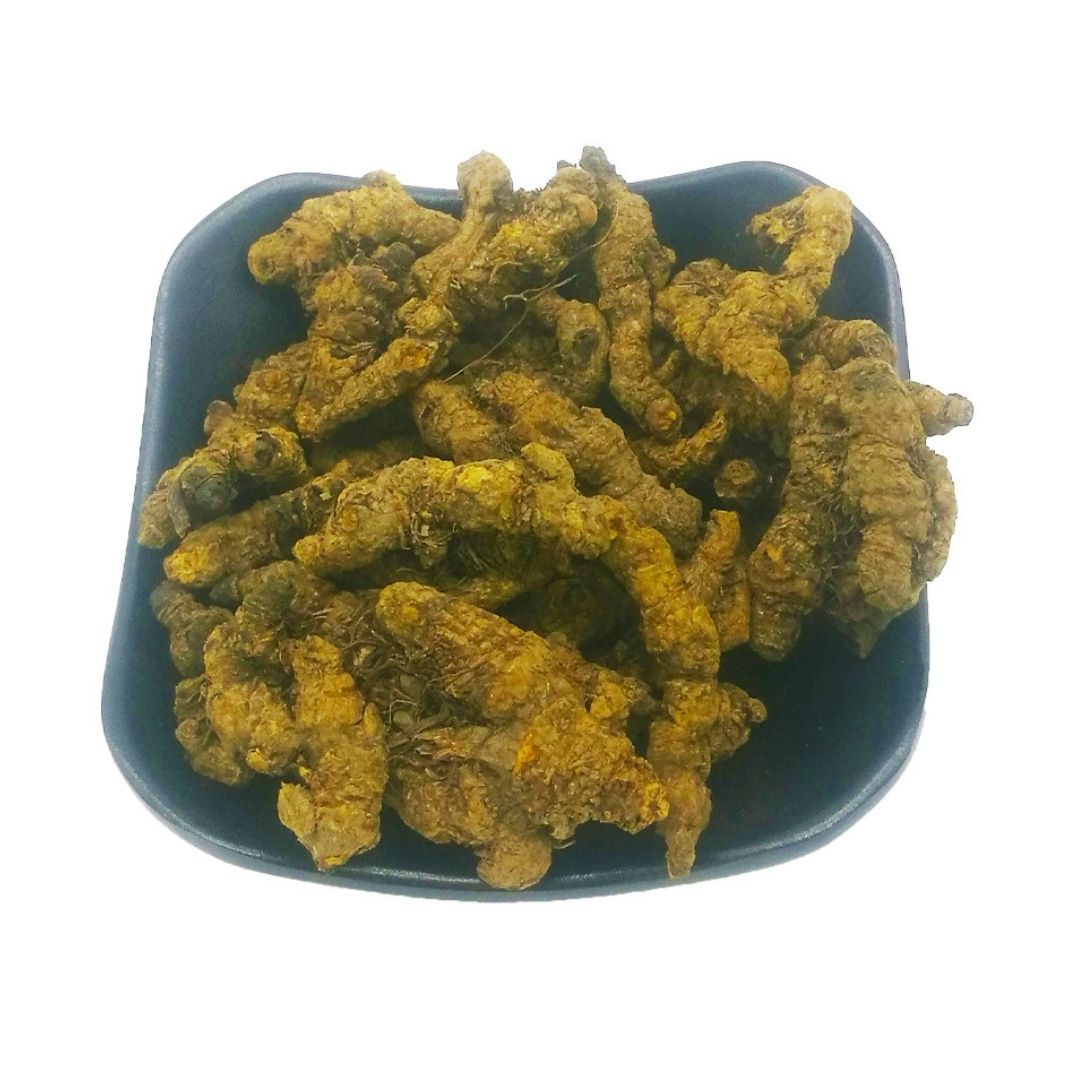
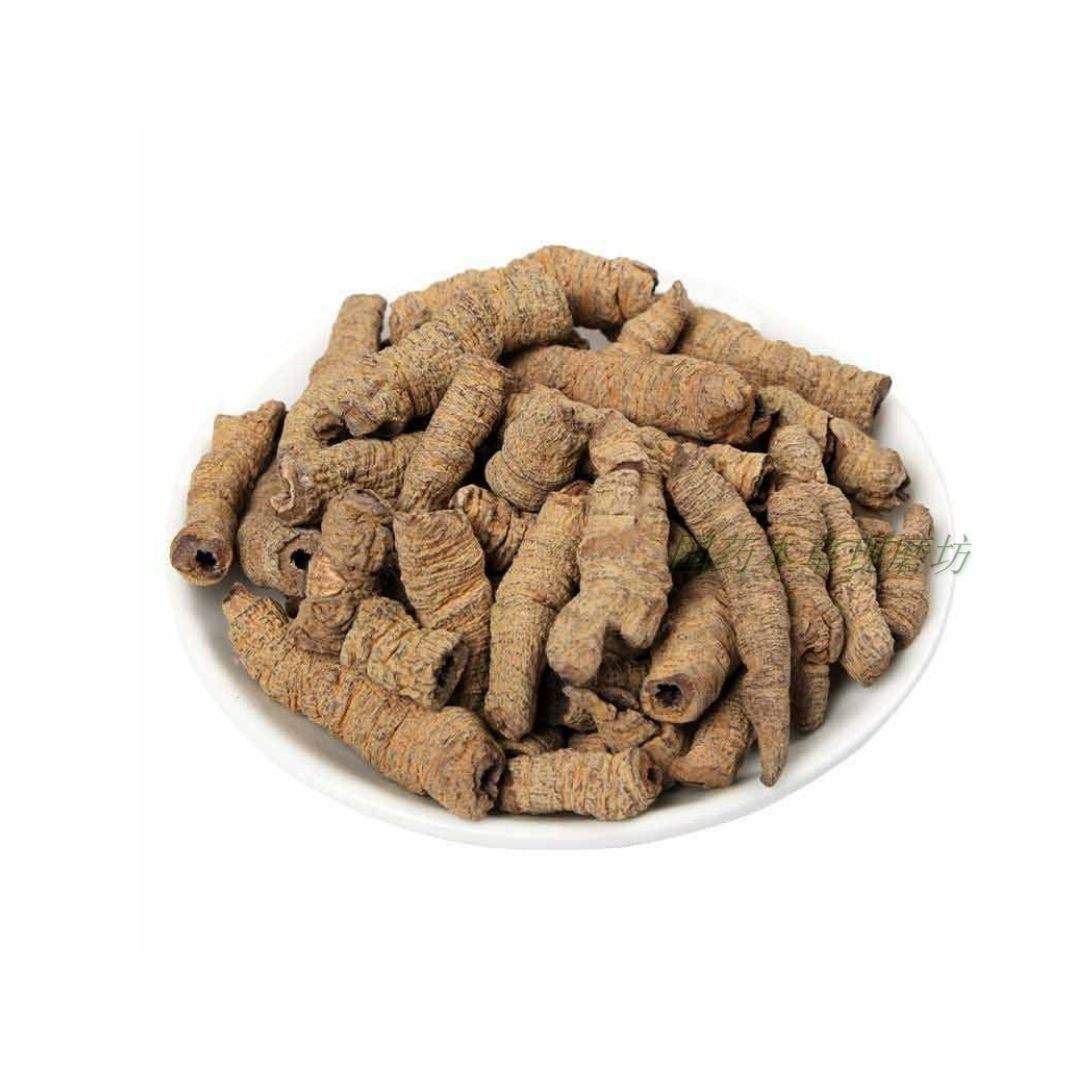
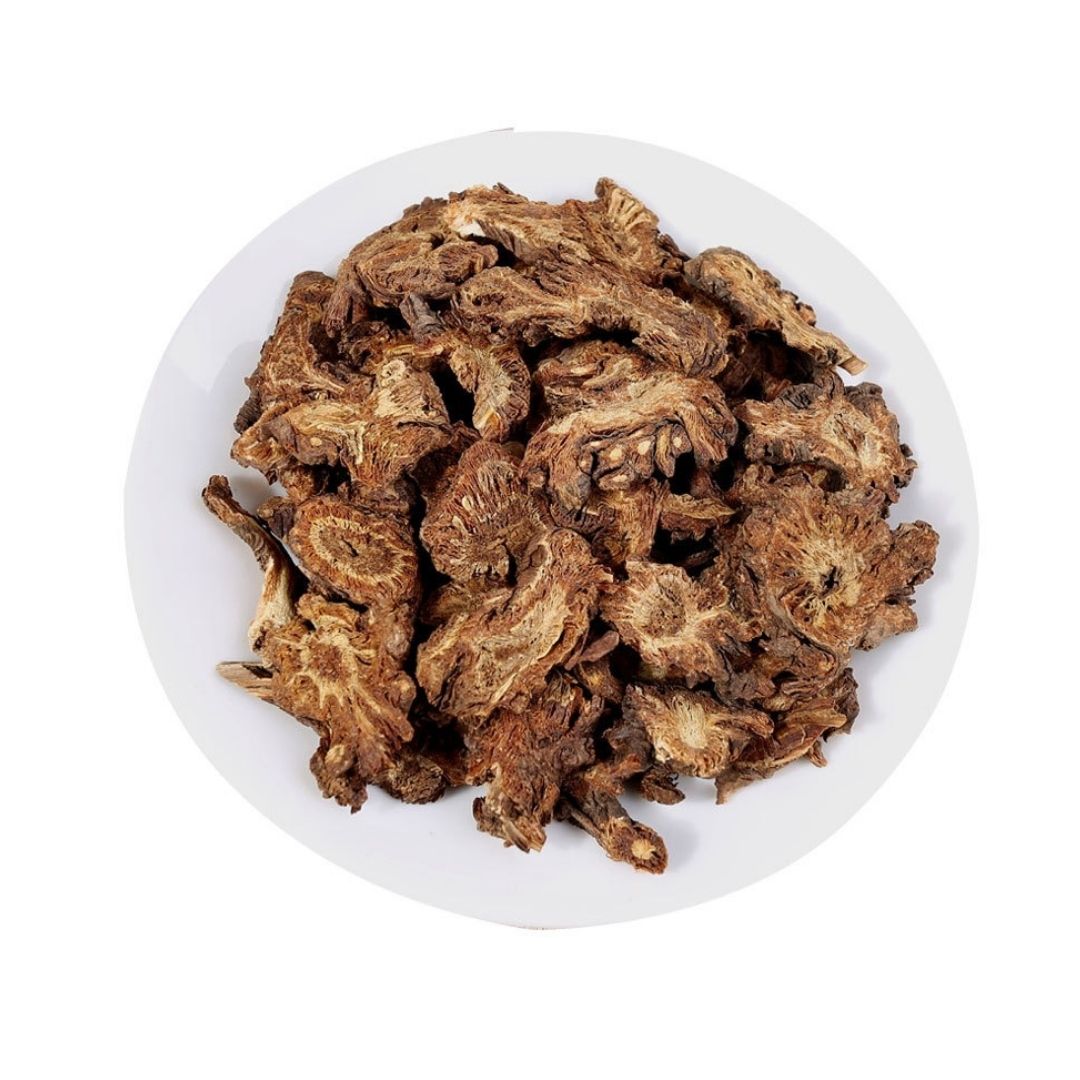
Incised Notopterygium Rhizome and Root, commonly known as Qiang Huo, is a significant herb in traditional Chinese medicine. It is primarily valued for its ability to address conditions related to wind and dampness, especially those affecting the upper regions of the body. This herb is characterized by its strong aromatic scent and is often prescribed to alleviate pain and discomfort associated with external pathogenic factors.
Main Active Ingredients
The key active components of Incised Notopterygium include volatile oils and coumarins. These compounds contribute to its therapeutic effects, such as anti-inflammatory and analgesic properties [1]. The volatile oils are responsible for its characteristic aroma, while coumarins may play a role in its pain-relieving actions.
Product Application Scenarios, Usage, and Dosage
In traditional Chinese medicine, Incised Notopterygium Rhizome and Root is typically used in formulas designed to treat wind-damp painful obstruction, especially when it affects the upper back, shoulders, and head. It is also indicated for conditions such as headaches and body aches due to external influences. The typical dosage is 3 to 9 grams, usually administered in decoction [4]. It is often combined with other herbs to enhance its effects and address underlying imbalances.
Introduction to the Source Plant, Distribution, and Growth Environment
Notopterygium incisum Ting ex H.T.Chang, the source plant for Incised Notopterygium Rhizome and Root, is primarily found in high-altitude regions of southwestern China. It thrives in damp, shady environments, often growing in mountainous areas and along forest edges. The plant prefers cool climates and well-drained soils.
Harvesting, Processing, and Storage
The rhizomes and roots of Notopterygium incisum are typically harvested in the autumn. After harvesting, the plant material is cleaned, dried, and cut into sections. Proper drying is crucial to prevent mold growth and preserve the herb’s active constituents. The dried herb should be stored in a cool, dry place, away from direct sunlight and moisture, to maintain its quality and potency [5].
Citations:
[1] Chinese Materia Medica. (2016). Incised Notopterygium Rhizome and Root. Shanghai Science and Technology Press.
[2] Bensky, D., Gamble, A., & Kaptchuk, T. J. (1993). Chinese Herbal Medicine: Materia Medica. Eastland Press.
[3] Chen, J. K., & Chen, T. T. (2004). Chinese Medical Herbology and Pharmacology. Art of Medicine Press.
[4] Wiseman, N., & Ellis, A. (1996). Fundamentals of Chinese Medicine. Paradigm Publications.
[5] State Pharmacopoeia Commission of the People’s Republic of China. (2020). Pharmacopoeia of the People’s Republic of China. China Medical Science Press.
Mia Wu

Hi, I’m Mia Wu! I love helping customers discover the best natural ingredients for their products. With a passion for herbs, spices, and fungi, I work to make sure you get only the finest raw materials. Let's grow together! 🌱✨