
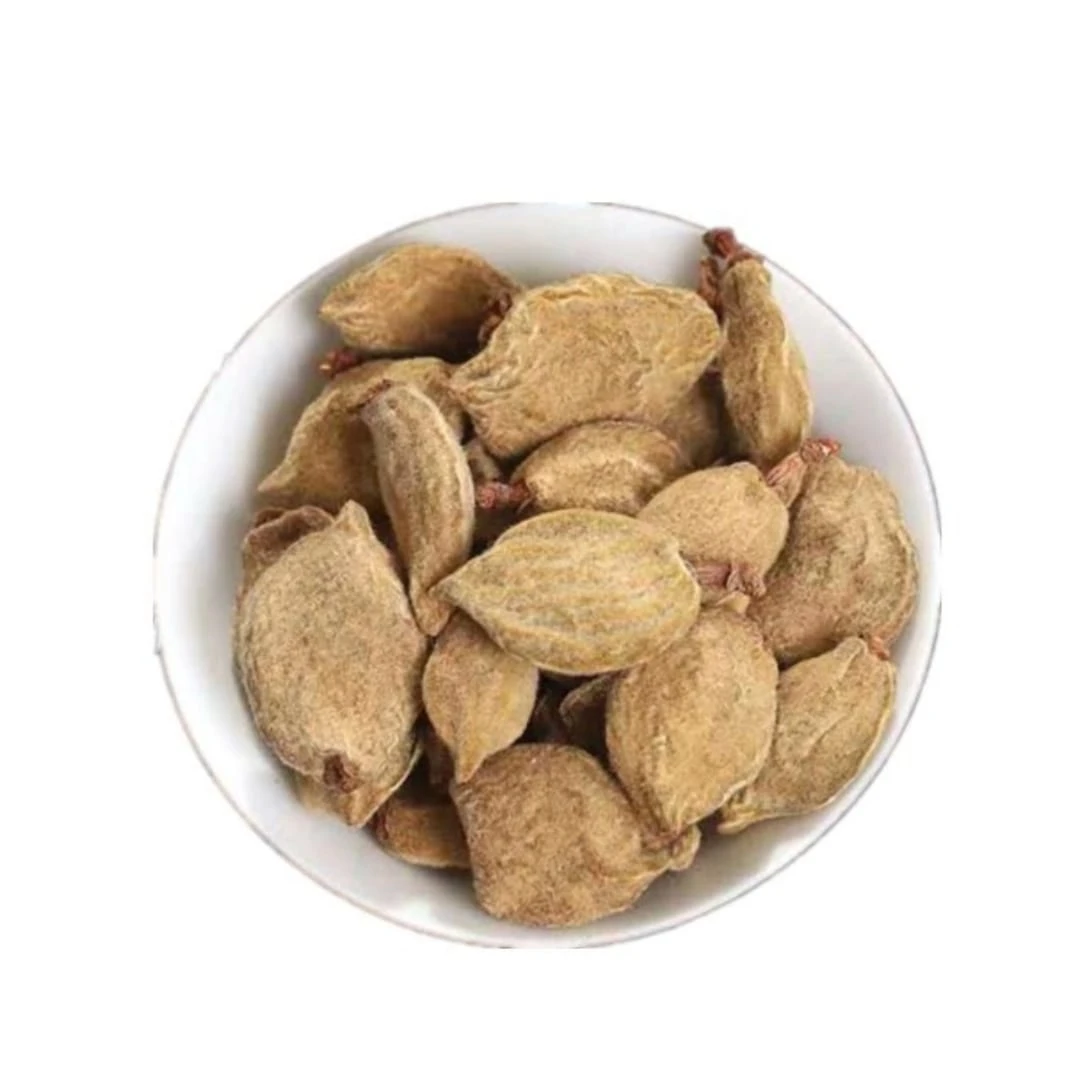


Product Introduction
Immature of David peach refers to the young fruit of Prunus davidiana, harvested before it fully ripens. It has been traditionally used in herbal medicine. This herb is valued for its therapeutic properties, believed to address specific health conditions through its unique blend of natural compounds. The herb's characteristics include a small, hard texture and a covering of fine hairs.
Main Active Ingredients
The primary active components in Immature of David peach include amygdalin, various flavonoids, and organic acids. Amygdalin, a cyanogenic glycoside, has been a subject of research regarding its potential effects. Flavonoids are known for their antioxidant properties, while organic acids contribute to the herb's overall therapeutic profile. These compounds work synergistically to produce the herb's effects.
Product Application Scenarios, Usage, and Dosage
Immature of David peach is mainly used to promote diuresis, and reduce edema. Traditionally, it is prepared as a decoction, or in powder form. The typical dosage is 3 to 9 grams, administered orally. It is often combined with other herbs to enhance its effects or to address specific health conditions. Caution should be exercised.
Introduction to the Source Plant, Distribution, and Growth Environment
Prunus davidiana, the source plant of Immature of David peach, is a deciduous tree native to China. It typically grows in mountainous regions and is cultivated in various provinces, including Hebei, Shanxi, and Shandong. The tree thrives in well-drained soils and sunny environments. It is characterized by its pink or white flowers that bloom in early spring, followed by the development of small, peach-like fruits.
Harvesting, Processing, and Storage
The harvesting of Immature of David peach occurs in the early summer, when the fruits are still young and unripe. The fruits are collected, cleaned, and then dried, either in the sun or through artificial methods. Proper drying is essential to preserve the quality and potency of the herb. Once dried, the herb should be stored in a cool, dry place, away from moisture and direct sunlight, to maintain its therapeutic properties.
Citations
- Chinese Materia Medica. Shanghai Science and Technology Press. 2000.
- Jiangsu New Medical College. Dictionary of Chinese Medicine. Shanghai People's Press. 1977.
- National Standard of the People’s Republic of China. Pharmacopoeia of the People’s Republic of China. 2020.
Mia Wu

Hi, I’m Mia Wu! I love helping customers discover the best natural ingredients for their products. With a passion for herbs, spices, and fungi, I work to make sure you get only the finest raw materials. Let's grow together! 🌱✨







