

Product Introduction
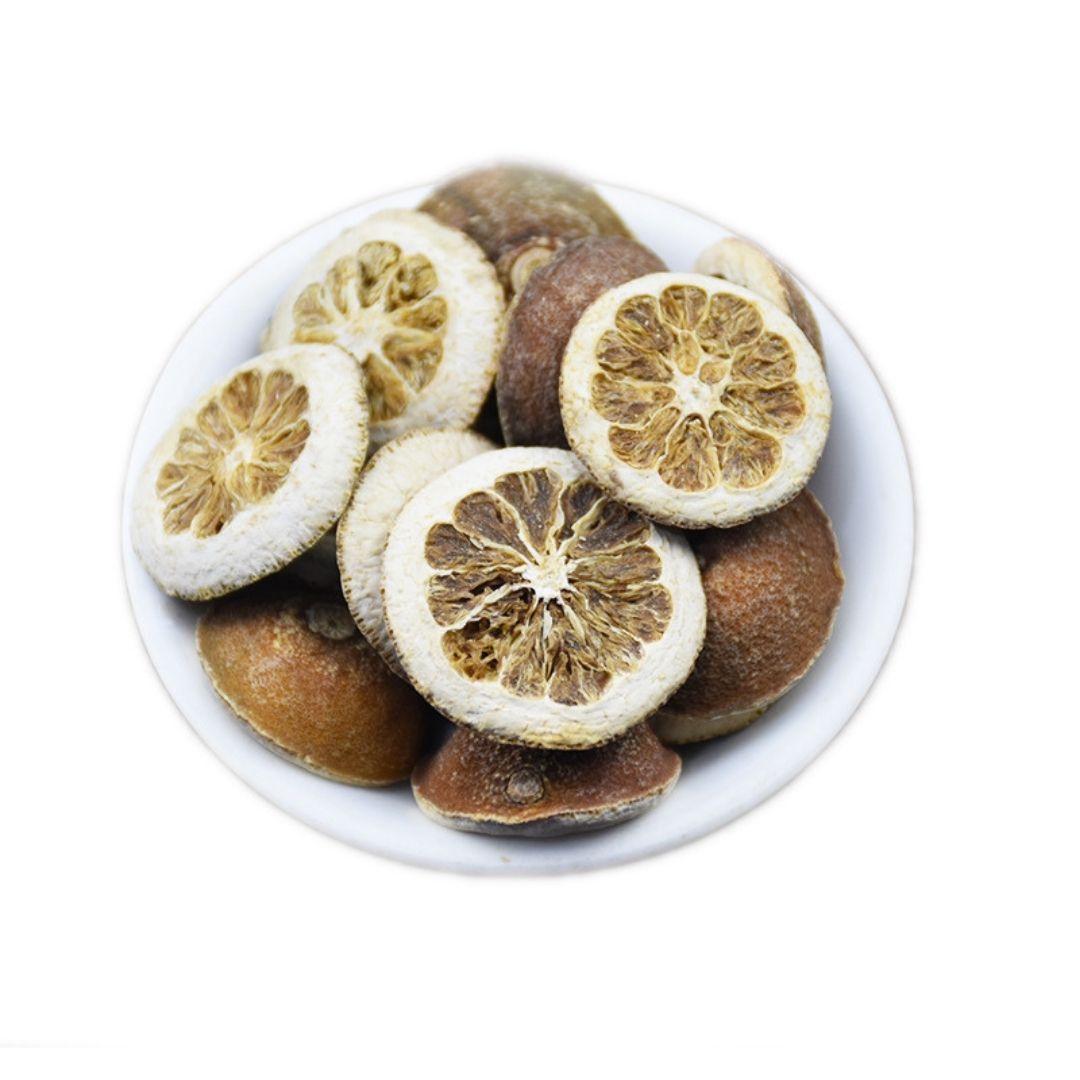
Immature Bitter Orange, known as Zhi Shi in traditional Chinese medicine (TCM), refers to the young fruit of the Citrus aurantium L. tree. Harvested while still unripe, this herb possesses therapeutic properties distinct from those of the mature fruit. It differs significantly in its use from other citrus fruits commonly consumed. Practitioners value it for its ability to address digestive issues and promote the smooth flow of Qi.
Main Active Ingredients
The primary active compounds in Immature Bitter Orange include flavonoids, such as neohesperidin and naringin, alkaloids like synephrine, and various volatile oils. These components contribute to the herb’s pharmacological effects. Flavonoids are known for their antioxidant and anti-inflammatory properties, while synephrine can affect metabolic processes. The volatile oils influence its aroma and may contribute to its overall therapeutic action.
Product Application Scenarios, Usage, and Dosage
In TCM, Immature Bitter Orange is frequently prescribed to manage conditions involving Qi stagnation, particularly in the gastrointestinal tract. It is often used in formulas designed to treat symptoms such as abdominal distension, constipation, and indigestion. The typical dosage ranges from 3 to 9 grams, usually administered in decoction form. It can be used alone, but is often combined with other herbs to enhance its efficacy and address complex patterns of disharmony. Furthermore, its use should be guided by a qualified practitioner to avoid potential adverse effects.
Introduction to the Source Plant, Distribution, and Growth Environment
Citrus aurantium L., the source plant, is a citrus tree native to Southeast Asia. It is now cultivated in various regions worldwide, including parts of China, the Mediterranean, and the Americas. The tree thrives in warm, subtropical climates with well-drained soil. It typically grows to a height of 5 to 10 meters and produces fragrant white flowers followed by bitter orange fruits.
Harvesting, Processing, and Storage
The immature fruits are typically harvested in late spring or early summer, when they are still small and green. After harvesting, the fruits are often sliced or quartered and then dried, either in the sun or using mechanical driers. Proper drying is crucial to prevent spoilage and preserve the herb's active constituents. Once dried, the Immature Bitter Orange should be stored in a cool, dry place, away from direct sunlight, to maintain its quality and potency.
Citations:
- https://www.sciencedirect.com/topics/pharmacology-toxicology-and-pharmaceutical-science/citrus-aurantium
- https://www.ncbi.nlm.nih.gov/pmc/articles/PMC5613338/
- Bensky, D., Gamble, A., & Kaptchuk, T. J. (1993). Chinese herbal medicine: Materia Medica. Eastland Press.
Mia Wu

Hi, I’m Mia Wu! I love helping customers discover the best natural ingredients for their products. With a passion for herbs, spices, and fungi, I work to make sure you get only the finest raw materials. Let's grow together! 🌱✨