Product Introduction
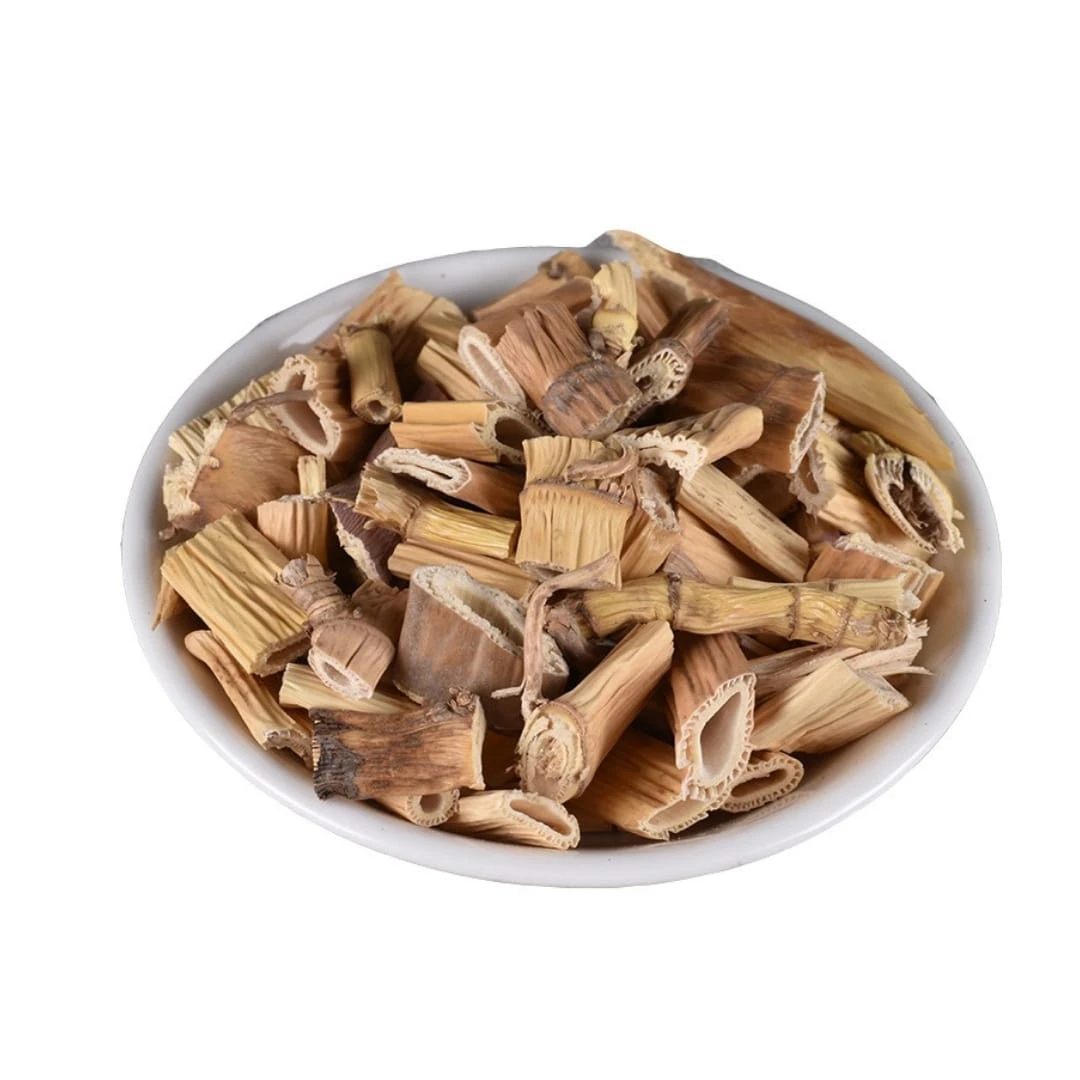
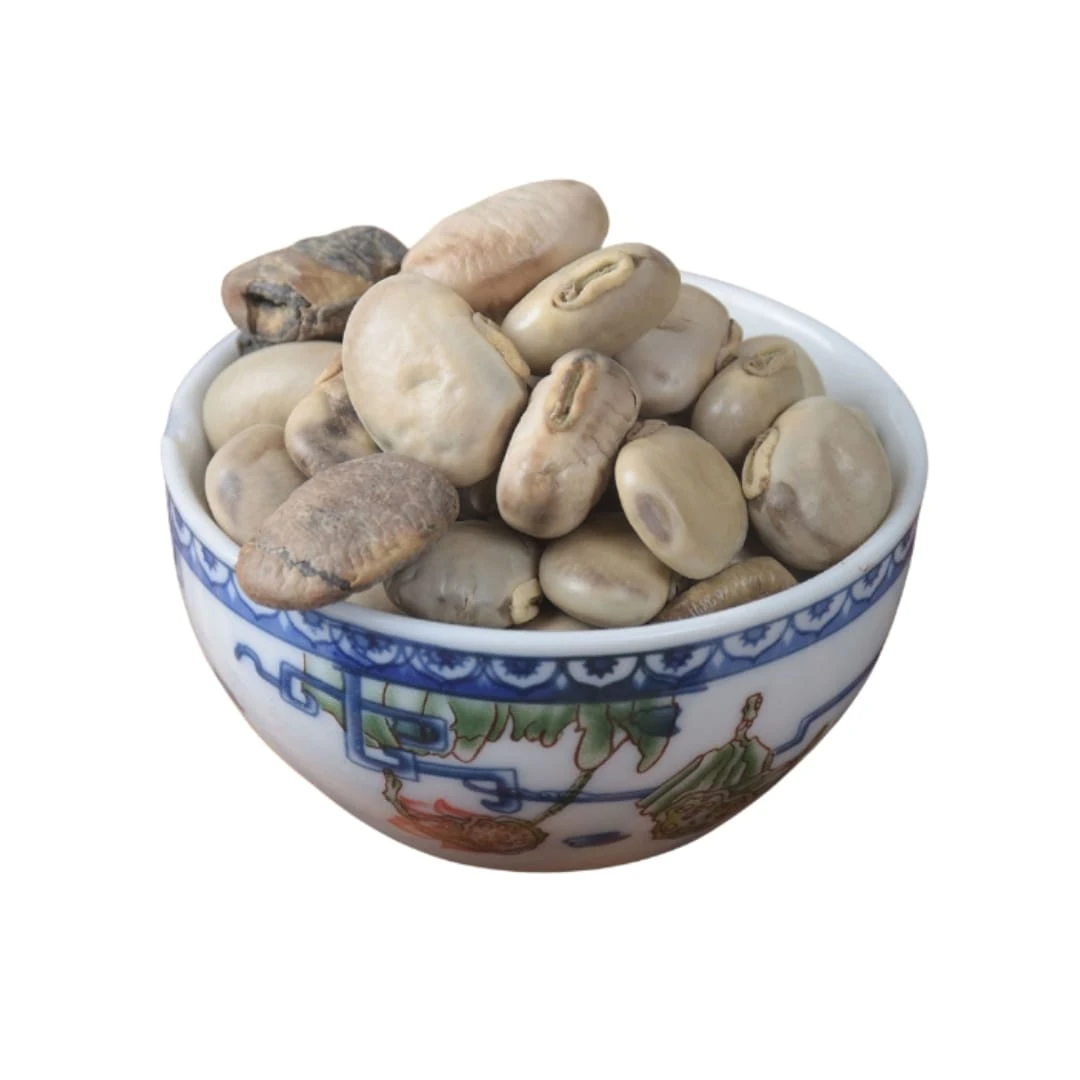
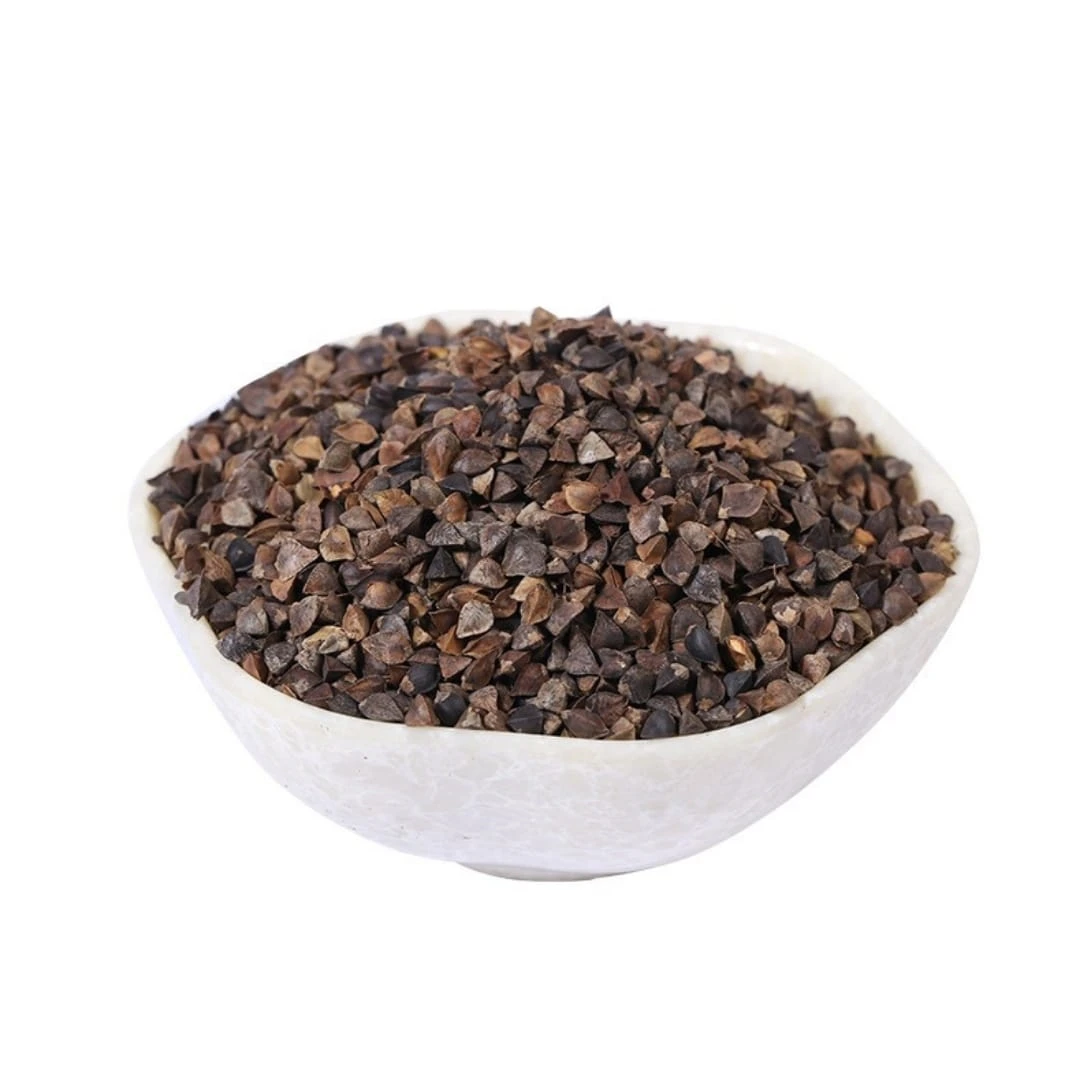
Herbal Walnut Peel, also known as Qing Long Yi, is derived from the unripe fruit of the walnut tree (Juglans regia L.). This outer green husk is valued in traditional herbal medicine for its unique properties and applications. The peel is typically harvested when the walnuts are still green, retaining a high concentration of active compounds.
Main Active Ingredients
The primary active components in Herbal Walnut Peel include juglone, a naphthoquinone known for its antimicrobial effects. Tannins, which contribute to its astringent properties, are also present. Additionally, the peel contains various organic acids that may contribute to its therapeutic effects.
Product Application Scenarios, Usage, and Dosage
In traditional practice, Herbal Walnut Peel is used to address a range of health concerns. It is often applied topically to treat skin conditions such as eczema and fungal infections, due to its astringent and antimicrobial properties. Internally, it has been used to manage digestive issues, although this requires careful dosage control. The typical dosage varies depending on the specific application and the individual's condition; consulting with a qualified herbalist is advisable before use.
Introduction to the Source Plant, Distribution, and Growth Environment
Juglans regia L., the walnut tree, is native to regions spanning from the Balkans to the Himalayas and southwest China. It is now cultivated in many parts of the world, including Europe, Asia, and North America. The tree thrives in well-drained soil and requires a temperate climate with distinct seasons. Walnut trees are valued not only for their nuts but also for their timber and the medicinal properties of their various parts, including the leaves and green husks.
Harvesting, Processing, and Storage
The Herbal Walnut Peel is harvested when the walnuts are green and unripe, typically in late spring or early summer. After harvesting, the peels are usually dried to reduce moisture content and prevent spoilage. Proper drying methods are essential to preserve the active constituents. The dried peels should be stored in a cool, dry place, away from direct sunlight and humidity, to maintain their potency and prevent degradation.
Citations
- Duke, J. A. (2002). Handbook of medicinal herbs. CRC press.
- Grieve, M. (1971). A modern herbal. Courier Dover Publications.
- Mills, S., & Bone, K. (2000). Principles and practice of phytotherapy. Churchill Livingstone.
- Wichtl, M. (2004). Herbal drugs and phytopharmaceuticals. Medpharm GmbH Scientific Publishers.
Mia Wu

Hi, I’m Mia Wu! I love helping customers discover the best natural ingredients for their products. With a passion for herbs, spices, and fungi, I work to make sure you get only the finest raw materials. Let's grow together! 🌱✨