
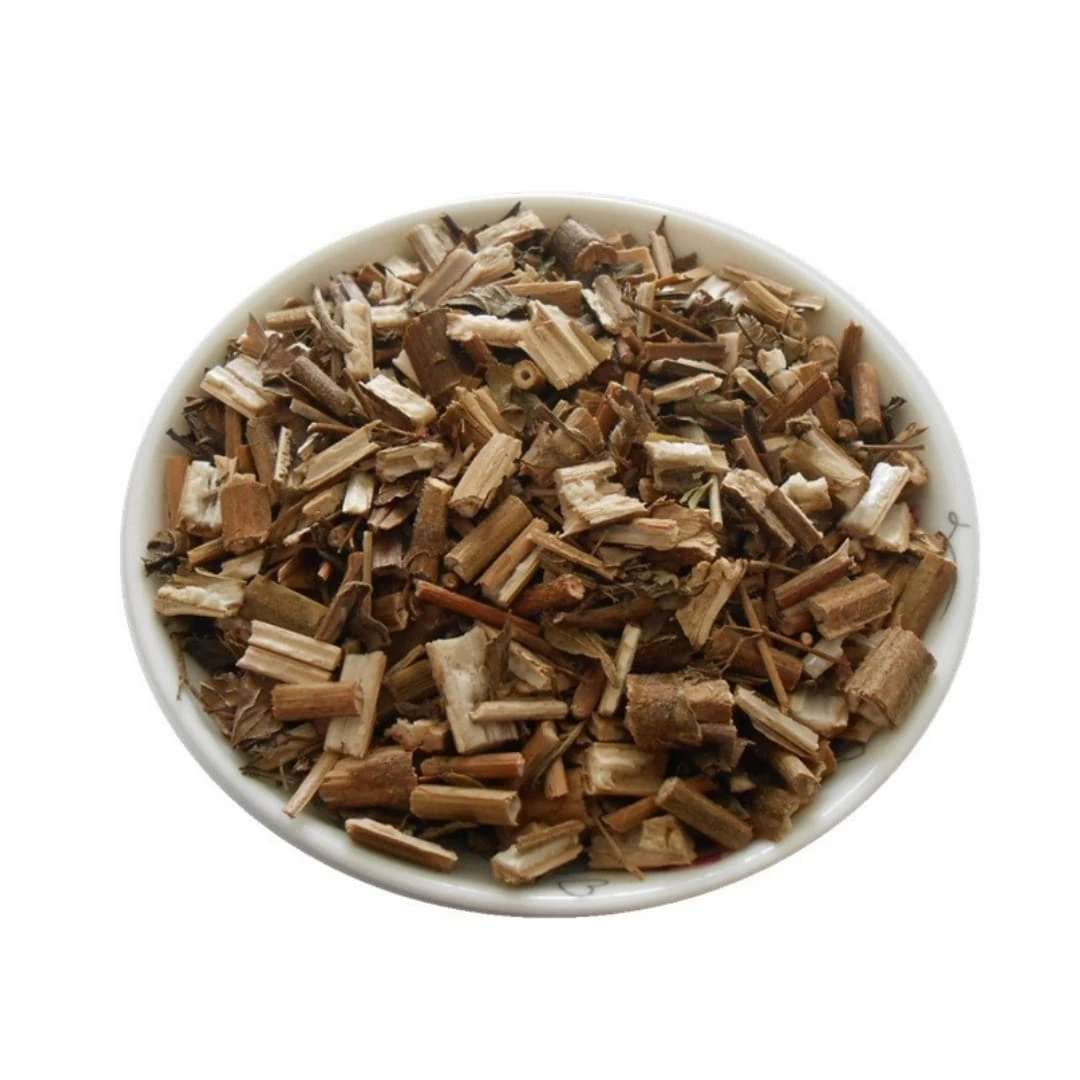


Product Introduction
Herba Patriniae, commonly referred to as Bai Jiang Cao, is an important herb used in traditional Chinese medicine (TCM). It's derived from plants of the Patrinia genus, primarily Patrinia scabiosaefolia and Patrinia villosa. This herb is valued for multiple therapeutic properties, and is often used to address various health conditions related to heat and toxicity.
Main Active Ingredients
The chemical composition of Herba Patriniae includes several active ingredients that contribute to its medicinal properties. Essential oils present in the herb are significant. Additionally, it contains flavonoids, which are known for their antioxidant and anti-inflammatory effects. Saponins are another group of compounds found in Herba Patriniae, contributing to its detoxifying and immune-modulating actions.
Product Application Scenarios, Usage, and Dosage
In traditional Chinese medicine, Herba Patriniae is used in several application scenarios. One primary use is clearing heat and resolving toxins. It is often prescribed for conditions involving inflammation, such as skin infections or appendicitis. Another application is to invigorate the blood, addressing blood stasis and promoting circulation. The herb is also used for its anti-inflammatory properties.
The typical dosage of Herba Patriniae is generally between 9 to 15 grams when used in decoctions, it should be used under the guidance of a qualified TCM practitioner. It can also be used topically in some instances, depending on the specific condition being treated. Usage often involves combining it with other herbs to enhance its effects or to address underlying imbalances.
Introduction to the Source Plant, Distribution, and Growth Environment
Patrinia scabiosaefolia and Patrinia villosa, the source plants of Herba Patriniae, are distributed across various regions in Asia. These plants are commonly found in China, Korea, and Japan. They typically grow in grasslands, hillsides, and along the edges of forests. These plants favor environments with moderate sunlight and well-drained soils. Patrinia scabiosaefolia and Patrinia villosa are perennials, and can grow to a height of 30 to 70 centimeters.
Harvesting, Processing, and Storage
The harvesting of Herba Patriniae typically occurs in the summer and autumn when the plants are mature. The entire plant is usually collected, and after harvesting, the plant is cleaned to remove any dirt or debris. Then, it's typically dried in the sun or using mechanical drying methods. Once dried, Herba Patriniae is cut into sections, which aids in preparing herbal formulas. For storage, the dried herb is kept in a cool, dry place, away from direct sunlight and moisture, to preserve its potency and prevent spoilage.
Citations
- Liao, Y., et al. "Chemical Composition and Bioactivities of Essential Oil from Patrinia scabra." Chemistry of Natural Compounds 56.6 (2020): 1121-1123.
- Chinese Pharmacopoeia Commission. Pharmacopoeia of the People's Republic of China. China Medical Science Press, 2020.
- Xu, L., et al. "Ethnopharmacological study of Patrinia species (Bai Jiang Cao) in traditional Chinese medicine." Journal of Ethnopharmacology 263 (2020): 113245.
Mia Wu

Hi, I’m Mia Wu! I love helping customers discover the best natural ingredients for their products. With a passion for herbs, spices, and fungi, I work to make sure you get only the finest raw materials. Let's grow together! 🌱✨







