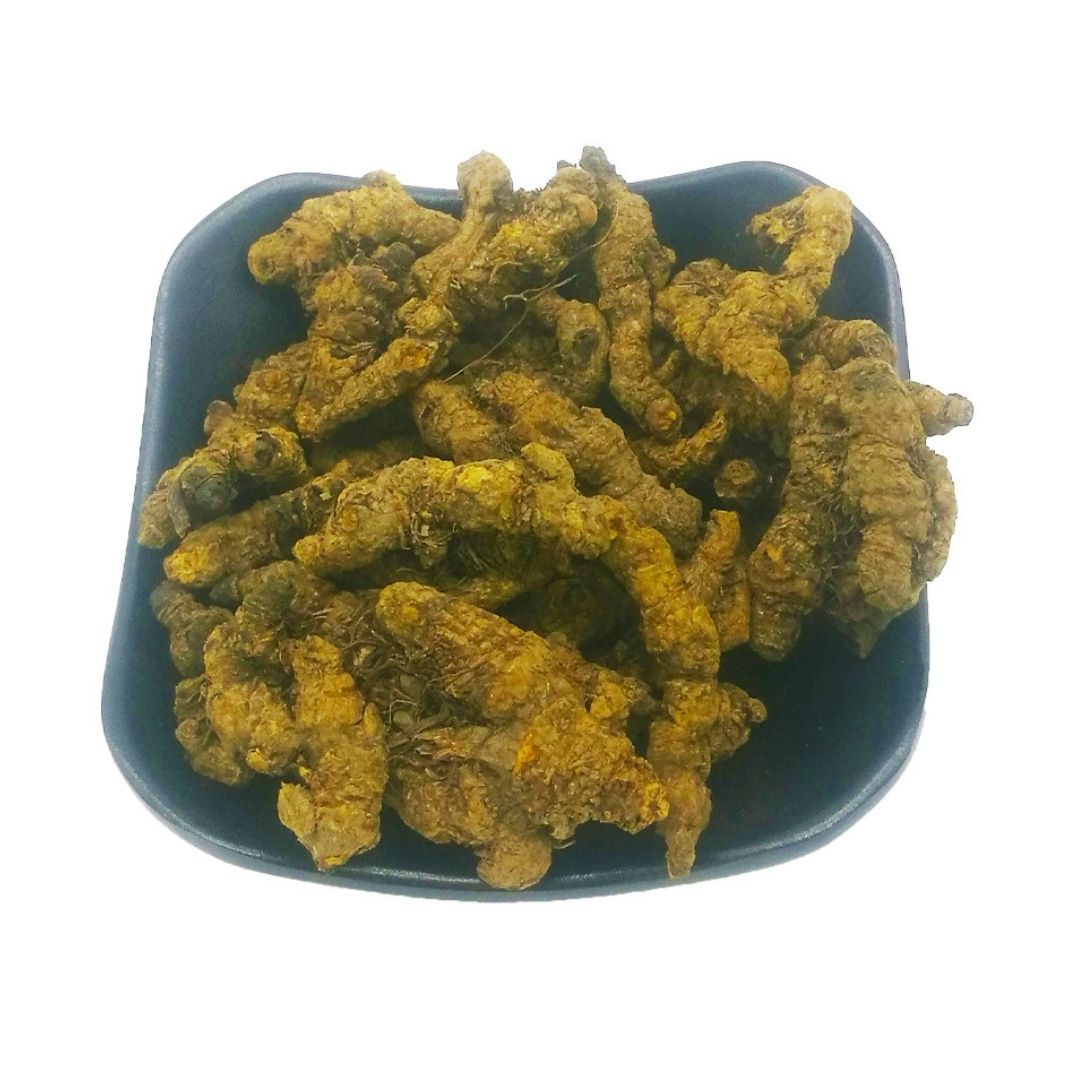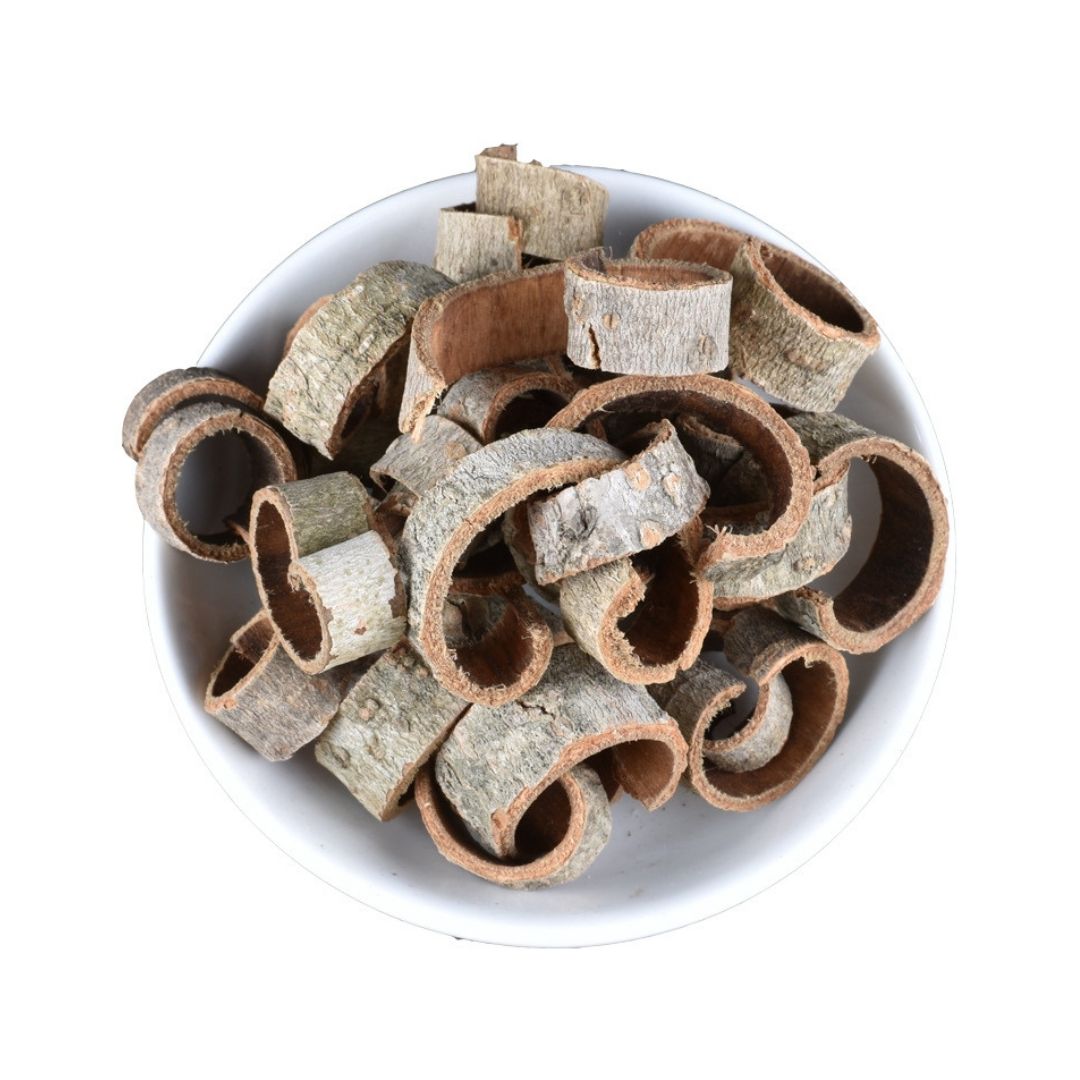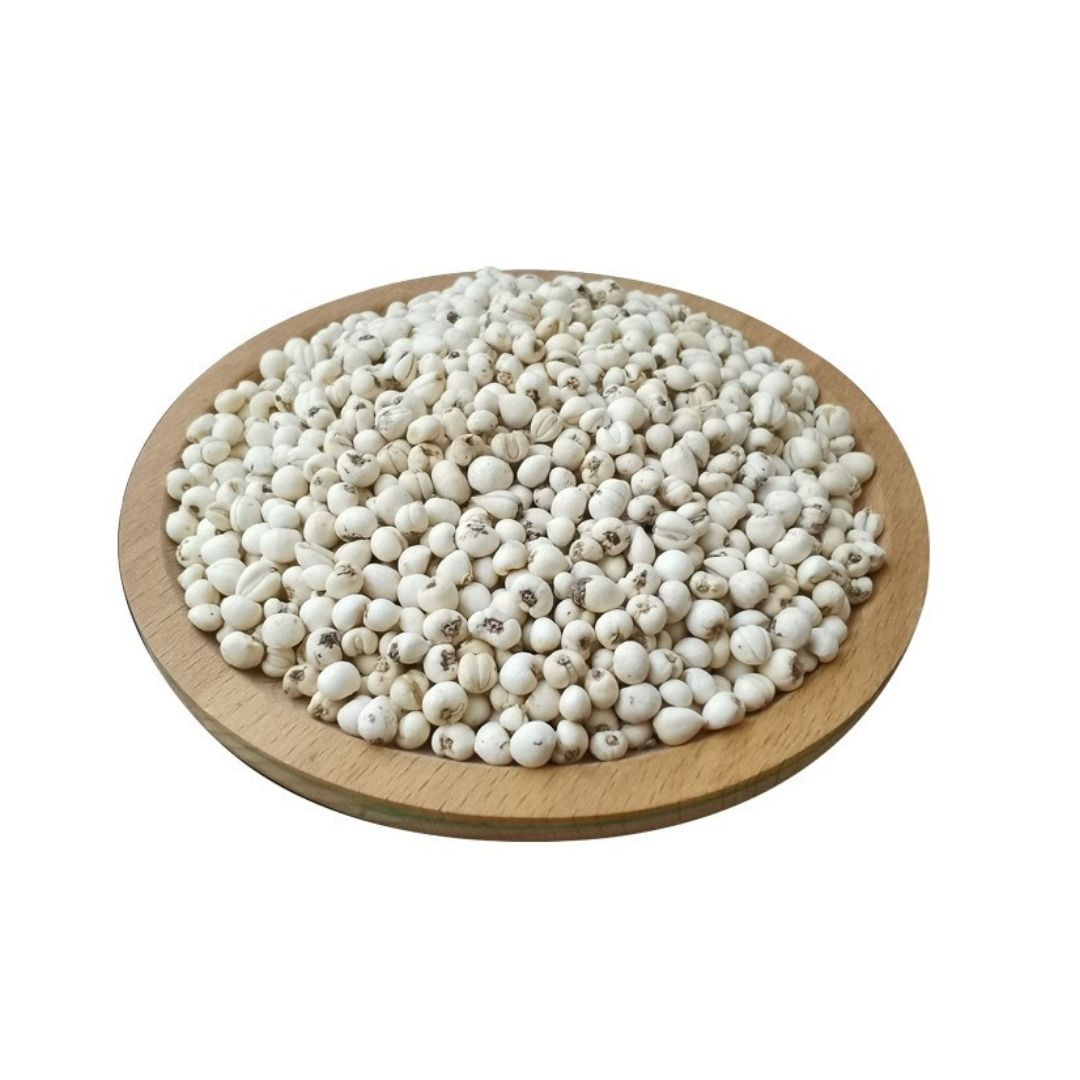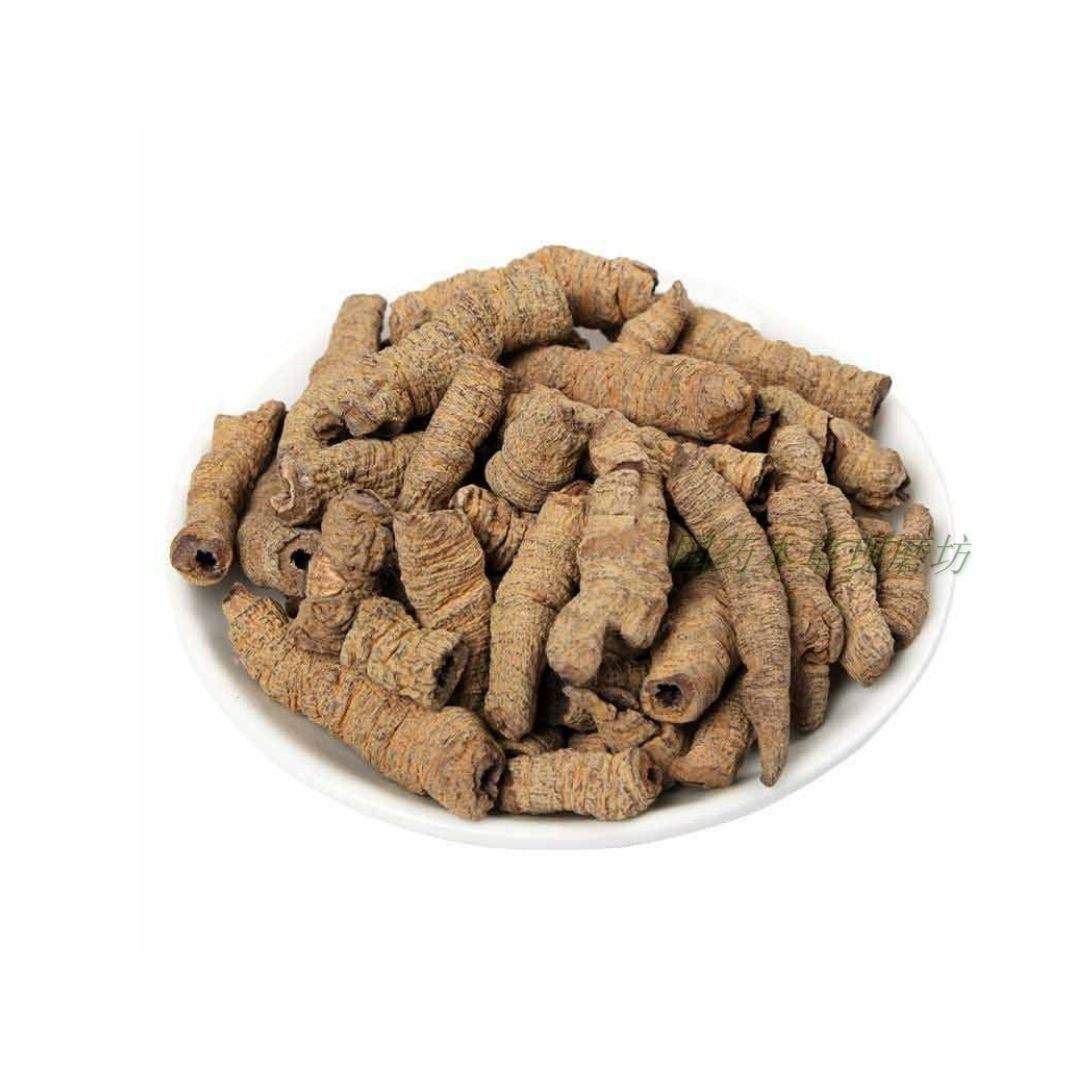


Product Introduction
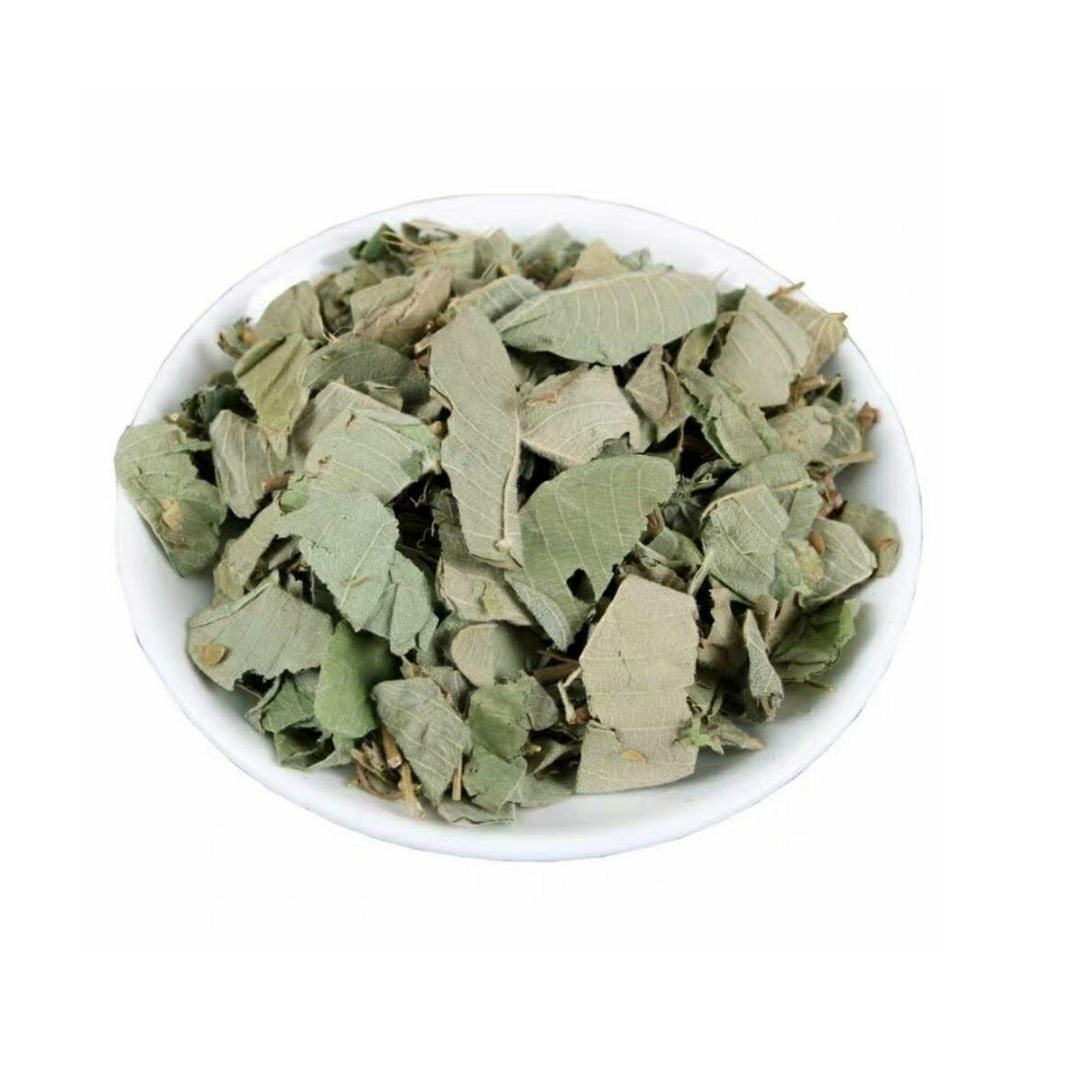
Herba Lysimachiae, known as Jin Qian Cao in Chinese, is a widely recognized herb in Traditional Chinese Medicine. This herb is valued for its therapeutic properties, primarily in treating various types of stone formations within the body. It is often used in herbal formulations to promote the excretion of stones and to alleviate associated symptoms. The whole plant is harvested, dried, and then utilized in decoctions or extracts.
Main Active Ingredients
The therapeutic effects of Herba Lysimachiae are attributed to its various active compounds. These include flavonoids, which possess antioxidant and anti-inflammatory properties. Saponins, another group of compounds found in the herb, contribute to its diuretic and choleretic effects. Phenolic acids present also play a role in its overall medicinal actions. Research has focused its effect on urinary and gallstones.
Product Application Scenarios, Usage, and Dosage
In TCM, Herba Lysimachiae is commonly used to address conditions such as urinary stones, gallstones, and jaundice. It is often prescribed in herbal formulas, combined with other herbs. It can help with the dissolving and expulsion of stones, reduce inflammation, and promote healthy liver and gallbladder function. The typical dosage is 15 to 30 grams, usually administered in decoction form. It can be taken alone, or combined with other herbs. It should be used under the guidance of a qualified TCM practitioner to ensure its safety and suitability for individual conditions.
Introduction to the Source Plant, Distribution, and Growth Environment
Lysimachia christinae Hance is a perennial creeping herb native to East Asia. It flourishes in moist environments such as along streams, in damp meadows, and near rice paddies. This plant is distributed across various provinces in China, including regions in the south and east, where the climate supports its growth. The plant prefers partial shade and well-drained soil, often forming dense mats due to its creeping stems.
Harvesting, Processing, and Storage
The herb is typically harvested during the summer and autumn months when the plant is at its peak growth. After harvesting, the whole plant is washed, dried, and cut into sections for processing. Drying is usually carried out either under the sun or using mechanical dryers to reduce moisture content and prevent spoilage. The dried herb should then be stored in a cool, dry place, away from direct sunlight, and in airtight containers to preserve its potency and prevent degradation.
Citations
- https://www.ncbi.nlm.nih.gov/pmc/articles/PMC10262947/
- Chinese Herbal Materia Medica, Dan Bensky, Steven Clavey, Erich Stöger, Andrew Gamble
Mia Wu

Hi, I’m Mia Wu! I love helping customers discover the best natural ingredients for their products. With a passion for herbs, spices, and fungi, I work to make sure you get only the finest raw materials. Let's grow together! 🌱✨