
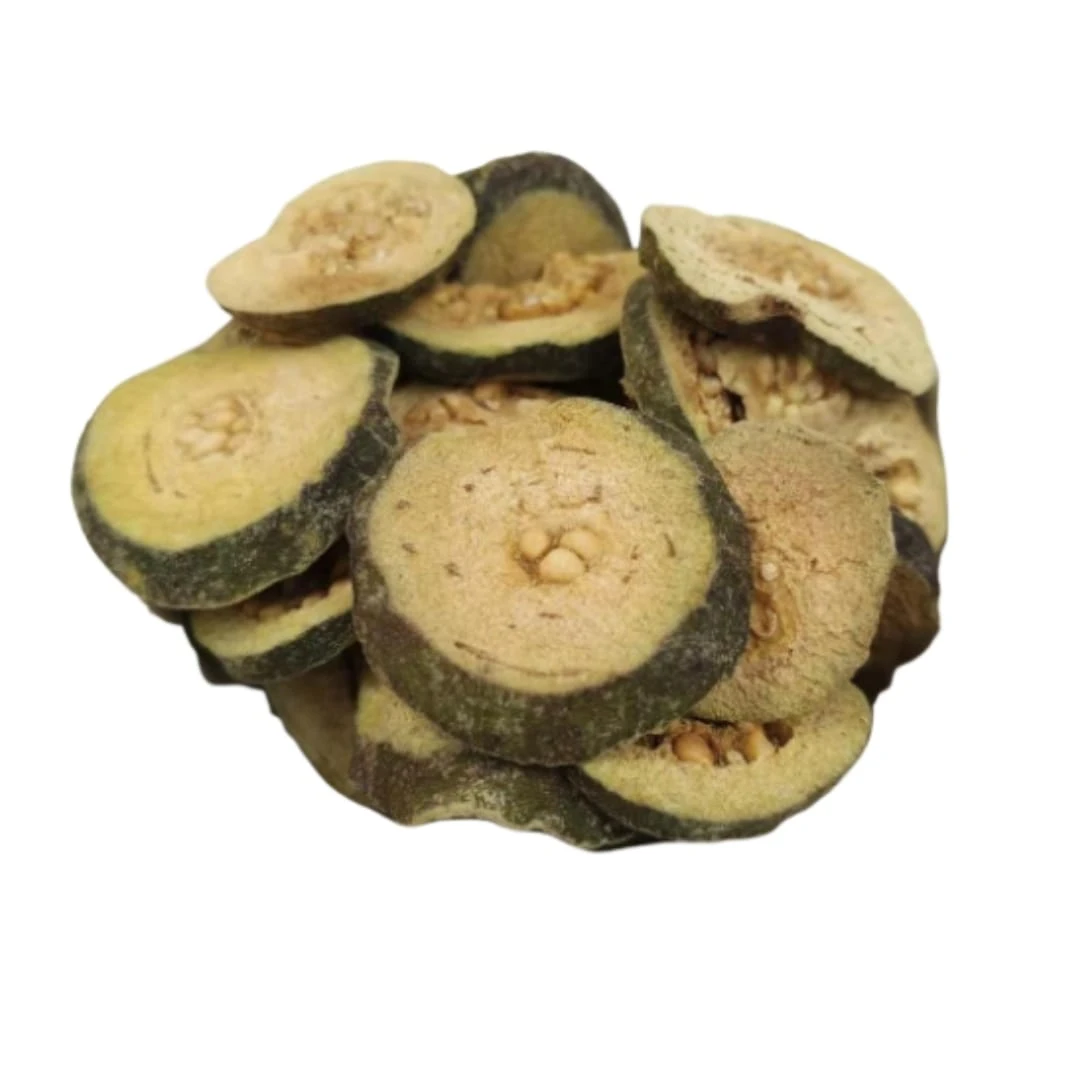


Product Introduction
Guava, scientifically known as Psidium guajava, is a tropical fruit that is celebrated for both its culinary and medicinal uses. The guava tree is native to tropical regions of the Americas and has since been introduced to many parts of the world, including Asia and Africa. The fruit itself is known for its distinctive flavor, which is a combination of sweet and slightly acidic notes. Different parts of the guava plant, including the leaves, bark, and roots, have been used in traditional medicine systems. Guava is available in various forms, including fresh fruit, juices, jams, and dietary supplements.
Main Active Ingredients
Guava is packed with nutrients, rendering it highly valuable for health. Vitamin C is one of its most prominent components, contributing significantly to immune support and antioxidant action. Fiber is abundant in guava, promoting digestive regularity and contributing to feelings of fullness. Antioxidants, such as lycopene, are present and may help protect cells from damage caused by free radicals. Guava also contains various vitamins and minerals, enhancing its overall nutritional profile. These active ingredients, working synergistically, underpin the purported health benefits of guava.
Product Application Scenarios, Usage, and Dosage
Guava finds application across various scenarios, leveraging its nutritional and medicinal attributes. For digestive health, guava fruit or juice may be consumed to support regular bowel movements and alleviate digestive discomfort. To bolster immune function, the high vitamin C content makes guava a suitable addition to the diet, particularly during seasons when immune support is beneficial. For skin health, some use guava extracts topically, though more research is needed to validate these applications fully.
Regarding usage and dosage, fresh guava fruit can be eaten as a snack or incorporated into meals. Guava juice can be consumed in moderation as part of a balanced diet. Dietary supplements containing guava extracts are available, and dosages should adhere to the product label or the guidance of a healthcare professional.
Introduction to the Source Plant, Distribution, and Growth Environment
The guava tree, Psidium guajava, belongs to the Myrtaceae family and is native to tropical America, possibly originating in Peru. It is now cultivated in numerous tropical and subtropical regions worldwide, including parts of Asia, Africa, and the Caribbean. The tree thrives in warm, humid climates with well-drained soil and plenty of sunlight. It is adaptable to various soil types but prefers slightly acidic conditions. Guava trees typically grow to a height of 10 to 33 feet and have a broad, spreading canopy.
Harvesting, Processing, and Storage
Harvesting of guava fruit typically occurs when the fruit has reached full maturity, indicated by a change in skin color from green to yellow or pink, depending on the variety. The fruit should be slightly soft to the touch but not overly ripe. Harvesting is usually done manually to avoid bruising or damaging the fruit.
Processing methods vary depending on the intended use. For fresh consumption, the fruits are washed and sorted. For juice production, the fruits are crushed and the juice is extracted and pasteurized. Guava can also be processed into jams, jellies, and preserves.
Storage of fresh guavas should be in a cool, dry place, away from direct sunlight. Ripe guavas can be stored in the refrigerator for a few days. Processed guava products should be stored according to the manufacturer's instructions, typically in a cool, dry place.
Citations
- Psidium guajava. (n.d.). Drugs and Lactation Database (LactMed®). https://www.ncbi.nlm.nih.gov/books/NBK501871/
- Morton, J. 1987. Guava. p. 356–363. In: Fruits of warm climates. Julia F. Morton, Miami, FL.
- Menzel, C.M. (1985). Guava: an overview of production and research. Australian Fruit Research Conference. https://www.cabdirect.org/cabdirect/abstract/19851700084
Mia Wu

Hi, I’m Mia Wu! I love helping customers discover the best natural ingredients for their products. With a passion for herbs, spices, and fungi, I work to make sure you get only the finest raw materials. Let's grow together! 🌱✨







