

Product Introduction
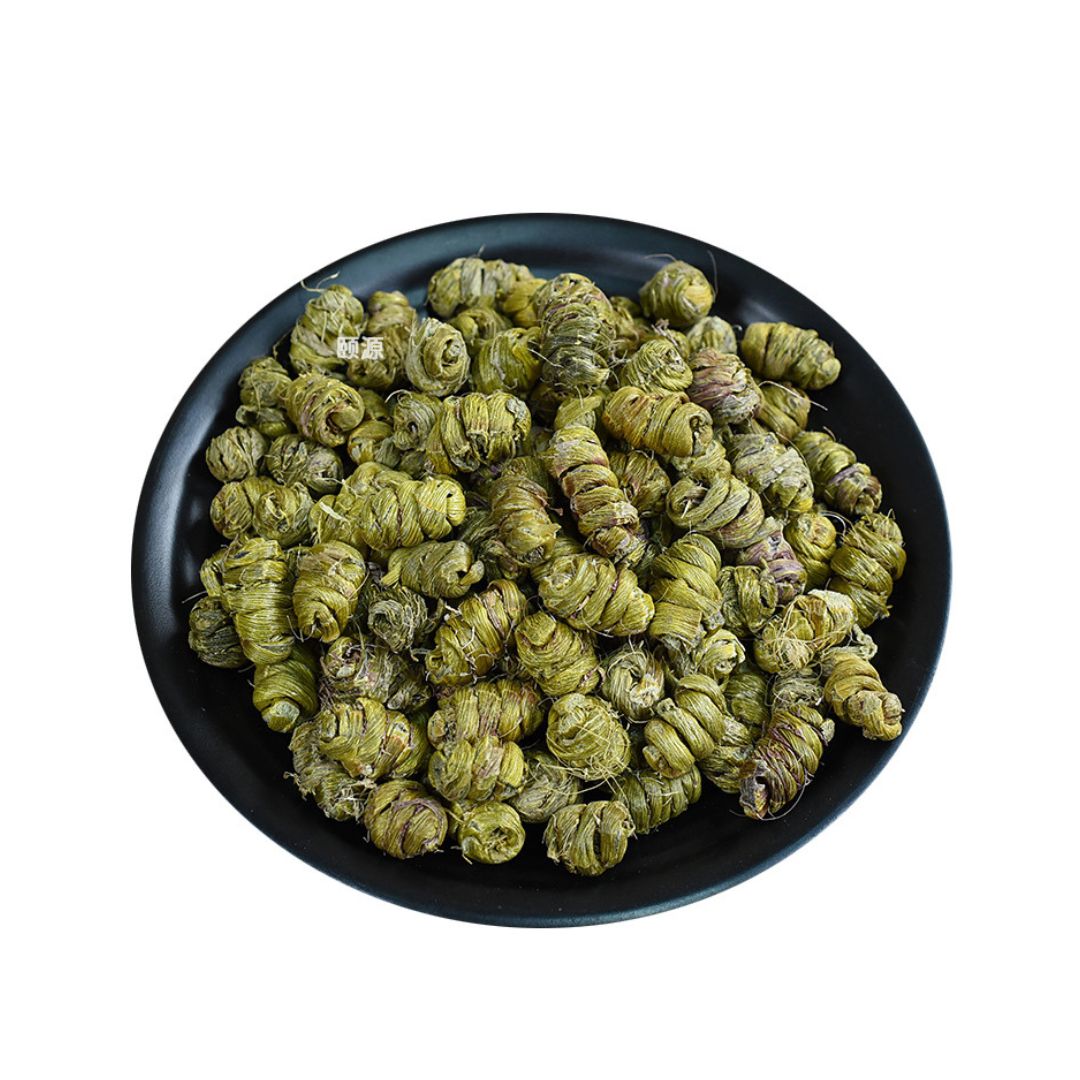
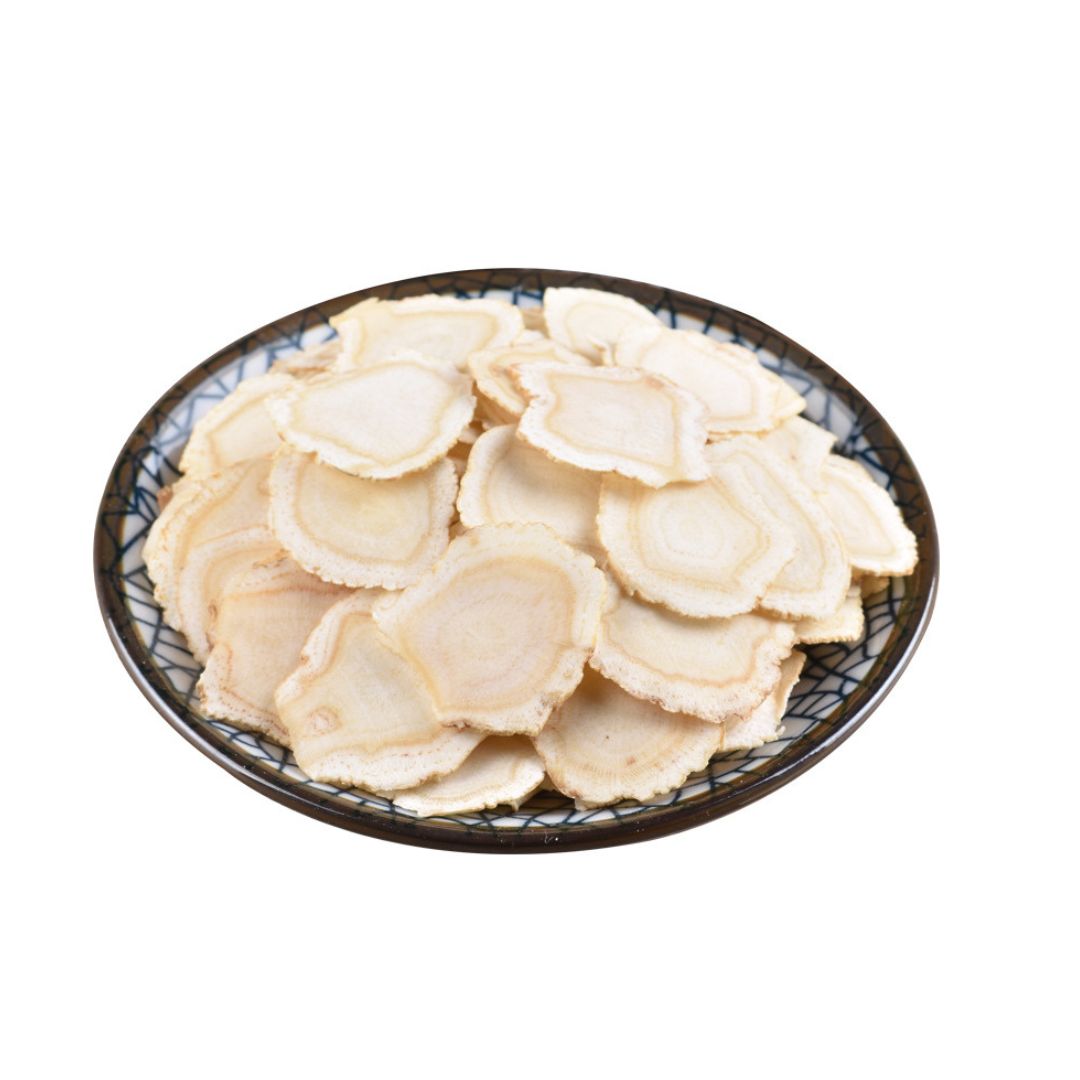
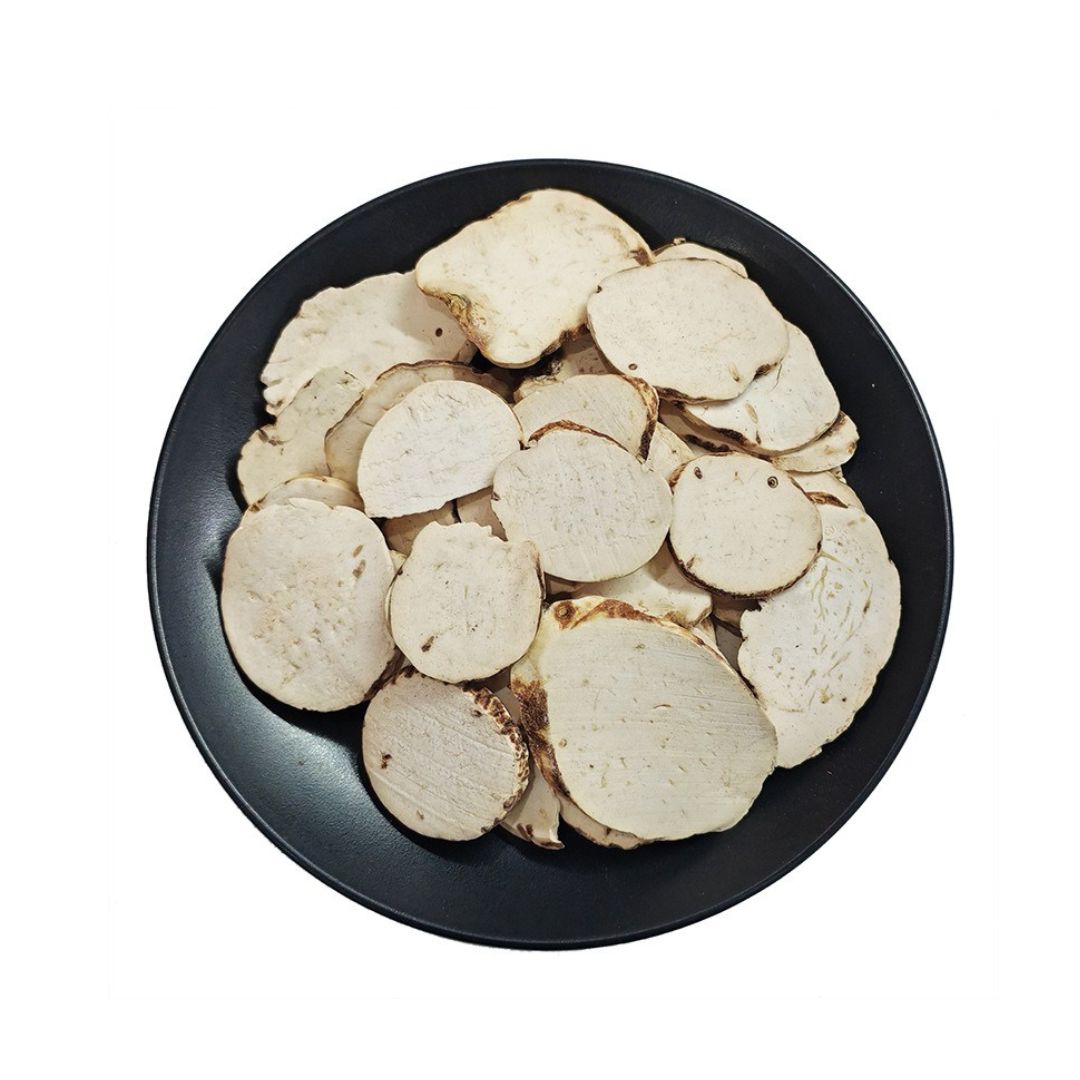
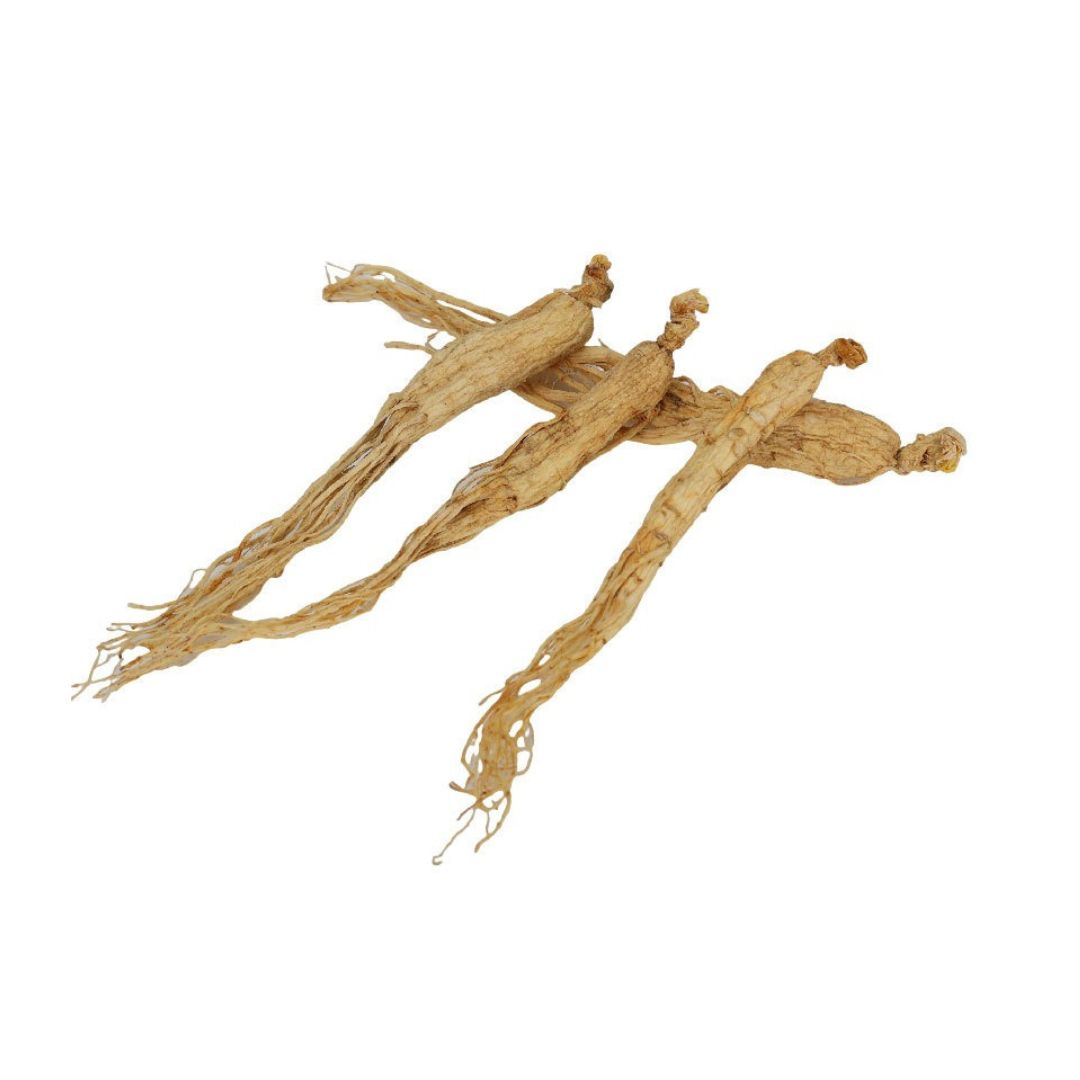
Ginseng, a revered herb in traditional Chinese medicine (TCM), has been used for centuries for its wide range of health benefits. It is primarily known for its adaptogenic properties, which help the body resist stressors, whether physical, chemical, or biological. The herb is a slow-growing perennial plant with fleshy roots. It is highly valued for its ability to restore and enhance overall well-being. Different types of ginseng exist, including Asian ginseng (Panax ginseng) and American ginseng (Panax quinquefolius), each with slightly different properties and uses.
Main Active Ingredients
The most important active ingredients in ginseng are compounds called ginsenosides. These saponins are responsible for the herb's diverse pharmacological activities. Ginsenosides have been shown to affect multiple physiological systems in the body. Research indicates that ginsenosides can modulate the immune system, exhibit antioxidant effects, and support cardiovascular health. Furthermore, these compounds influence neurotransmitter activity in the brain, which contributes to ginseng's cognitive-enhancing effects.
Product Application Scenarios, Usage, and Dosage
Ginseng is used in a variety of applications, including to combat fatigue, improve cognitive function, and enhance the immune system. It is often recommended for individuals recovering from illness or experiencing chronic stress. The herb can be consumed in various forms, such as raw root, powder, capsules, and teas. The typical dosage of ginseng varies depending on the form and the individual’s health condition. A common dosage is between 1 to 2 grams of raw root per day, or its equivalent in extract form. It is advisable to consult with a healthcare professional or a qualified herbalist to determine the appropriate dosage and duration of use, as excessive or prolonged use may lead to side effects such as insomnia or digestive upset.
Introduction to the Source Plant, Distribution, and Growth Environment
Panax ginseng, or Asian ginseng, is native to the mountainous regions of East Asia, including China, Korea, and Russia. Panax quinquefolius, or American ginseng, is found in North America, primarily in the eastern United States and Canada. These plants thrive in cool, shady environments with well-drained soil. Ginseng requires specific growing conditions and is often cultivated in managed forests or shaded farms. Wild ginseng is rare and highly prized, making it a conservation concern due to over harvesting.
Harvesting, Processing, and Storage
Ginseng roots are typically harvested in the fall, after the plants have matured for at least four to six years. The roots are carefully dug up to avoid damage, as the quality and value of the root depend on its intactness. After harvesting, the roots are washed and dried. The drying process can vary, with some roots being sun-dried, while others are steamed before drying, resulting in different types of ginseng, such as white ginseng (sun-dried) and red ginseng (steamed). Proper storage is essential to maintain the herb's potency. Dried ginseng should be stored in airtight containers in a cool, dry, and dark place to protect it from moisture, light, and pests.
Citations
[1] Kang, S., & Min, H. (2012). Ginseng, the 'Immunity Boost': The Effects of Panax ginseng on Immune System. Journal of Ginseng Research, 36(4), 354–368.
[2] Lee, S. M., & Bae, B. S. (2015). The Science of Ginseng. Food Science and Biotechnology, 24(5), 1457–1475.
Mia Wu

Hi, I’m Mia Wu! I love helping customers discover the best natural ingredients for their products. With a passion for herbs, spices, and fungi, I work to make sure you get only the finest raw materials. Let's grow together! 🌱✨