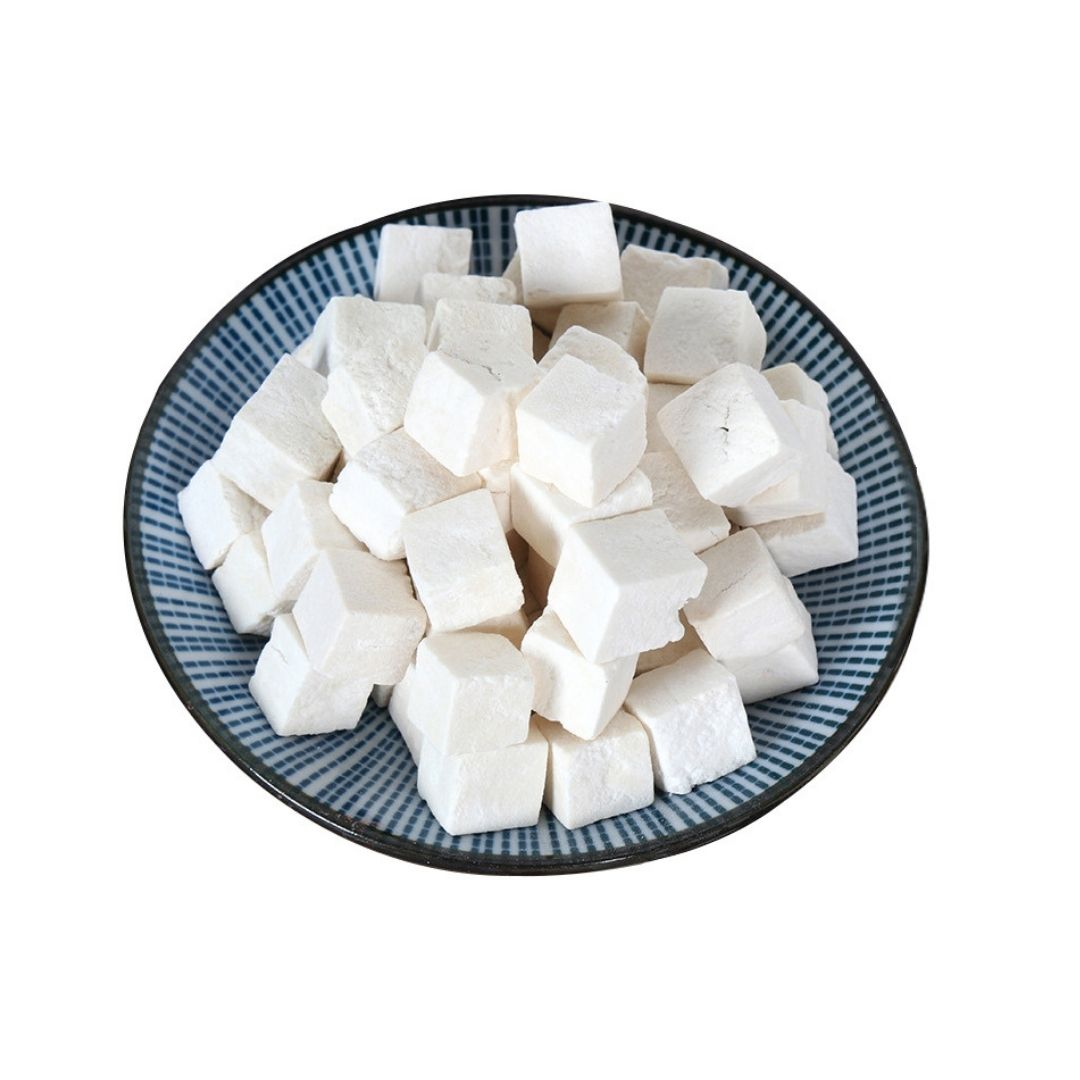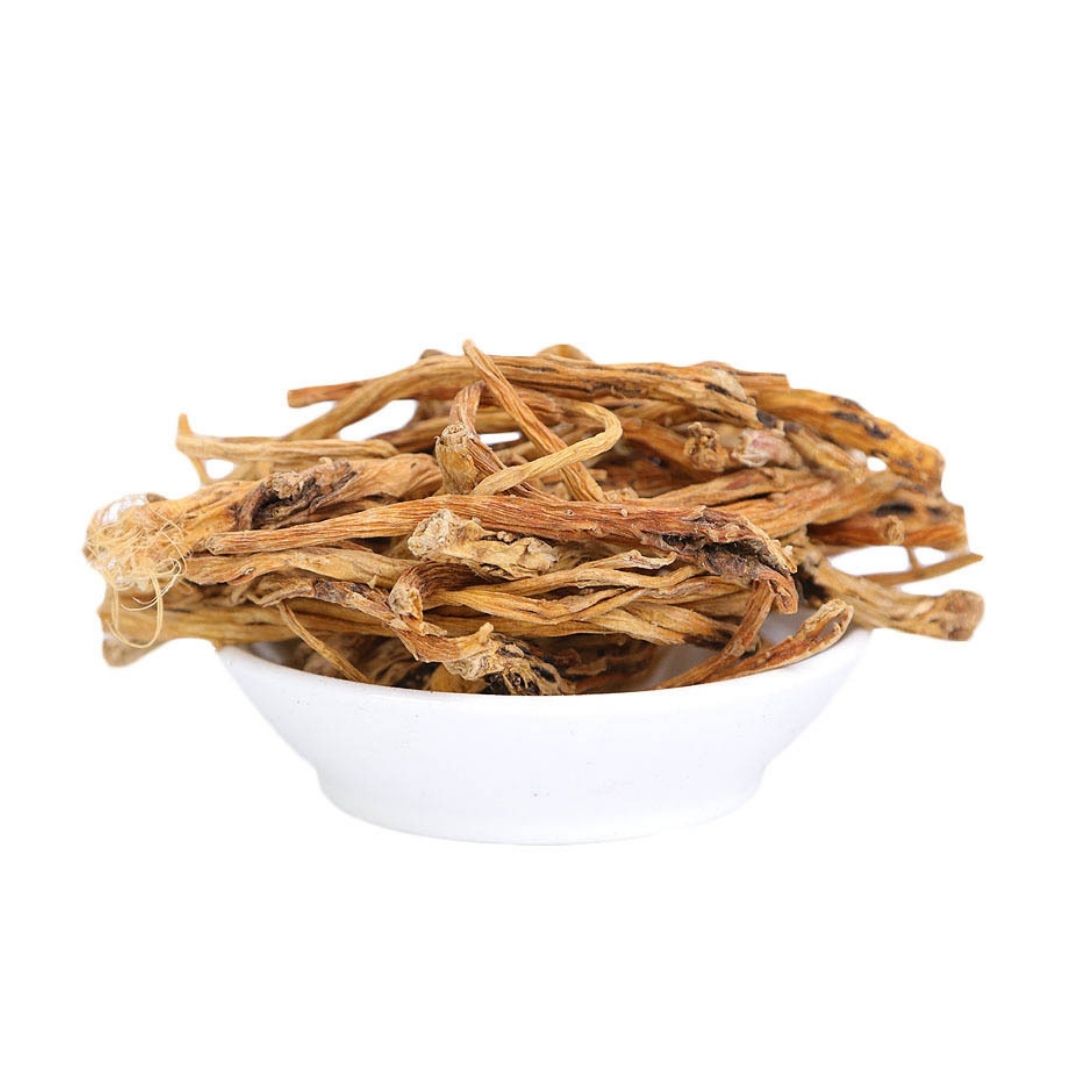


Product Introduction
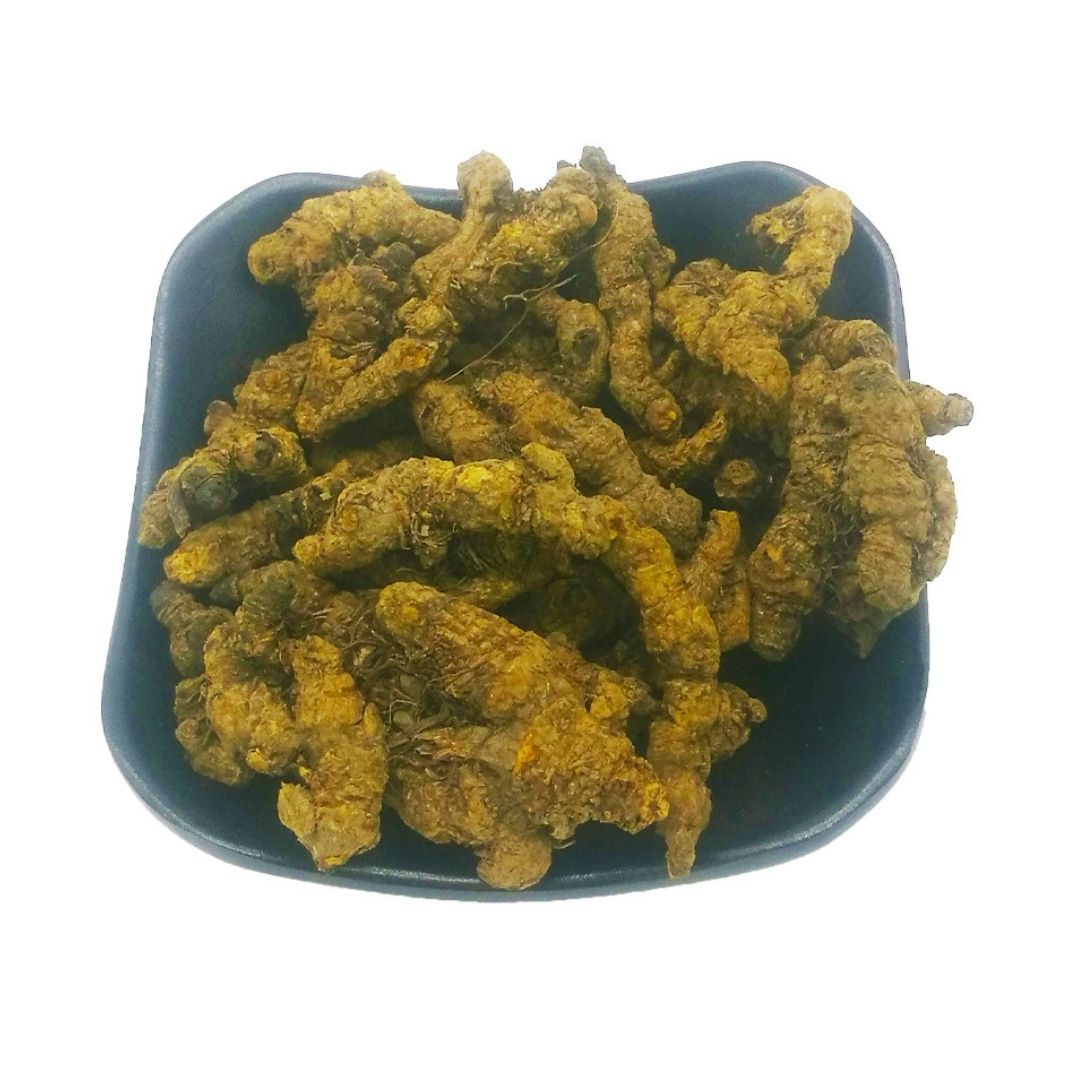
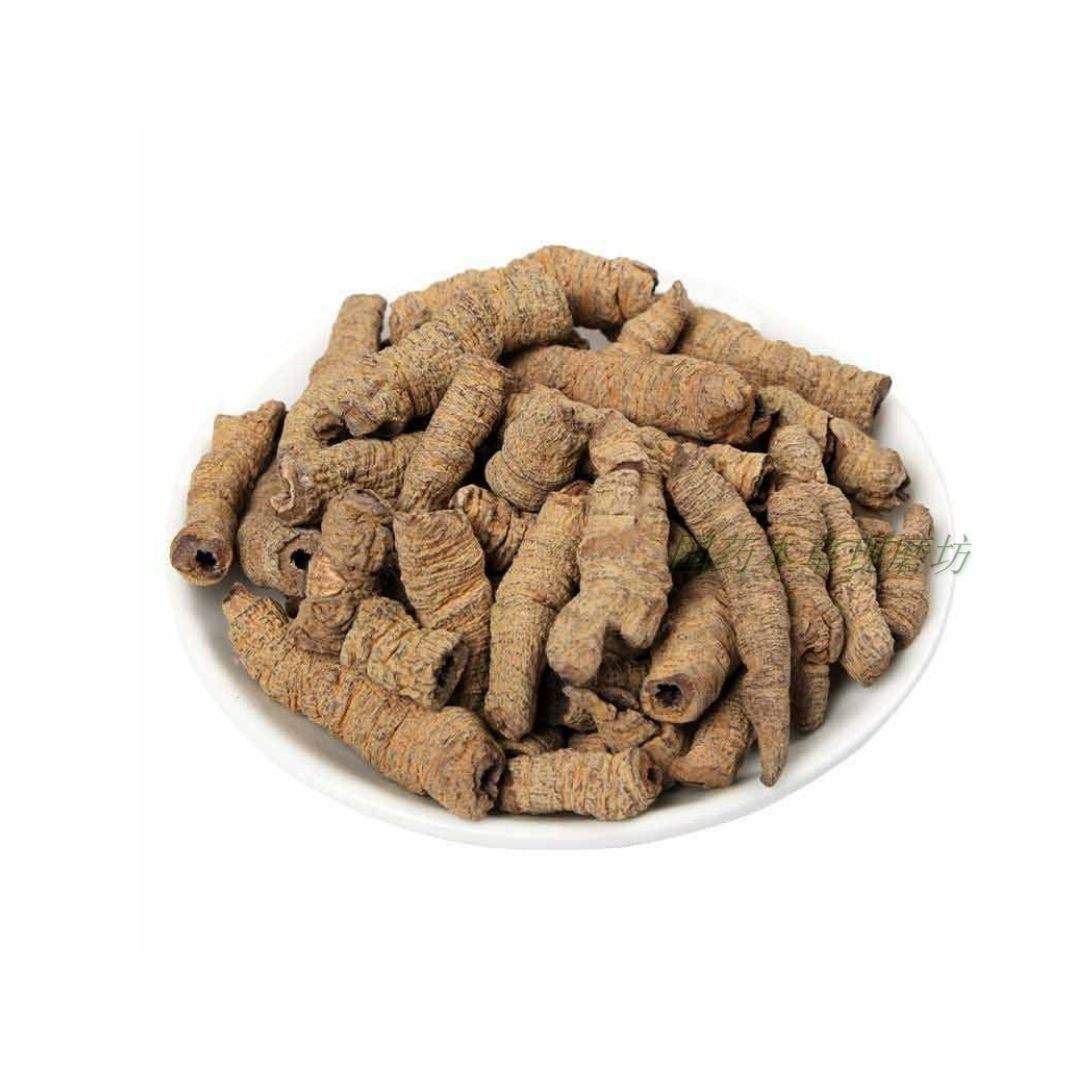
Gentiana macrophylla, known as Qin Jiao in Chinese, is a perennial herb, the root of which is used medicinally. This herb is valued in traditional Chinese medicine for its therapeutic properties, primarily related to addressing conditions involving dampness, heat, and wind. It is often prescribed to alleviate pain, reduce inflammation, and clear heat from the body.
Main Active Ingredients
The primary active components found in Gentiana macrophylla are gentiopicroside, sweroside, and other iridoid glycosides [1]. Gentiopicroside, in particular, is considered a key constituent responsible for the herb's bitter taste and some of its pharmacological effects, such as anti-inflammatory and analgesic properties [2]. These compounds contribute to the herb's ability to influence various physiological processes in the body.
Product Application Scenarios, Usage, and Dosage
Gentiana macrophylla is frequently used in traditional Chinese medicine (TCM) formulas to address conditions such as rheumatic arthritis, damp-heat jaundice, and post-partum fever. Its properties make it suitable for alleviating joint pain, reducing inflammation, and promoting overall well-being [3]. The typical dosage of Gentiana macrophylla is between 6 to 9 grams, usually administered in decoction form [4]. It can be used alone or in combination with other herbs, depending on the specific condition being treated.
Introduction to the Source Plant, Distribution, and Growth Environment
Gentiana macrophylla is a perennial plant belonging to the Gentianaceae family. This plant is native to regions of China, particularly in provinces such as Sichuan, Gansu, and Qinghai [5]. It thrives in mountainous areas, often found in grasslands and forest edges at altitudes ranging from 1500 to 3500 meters [6]. The plant prefers cool, moist environments with well-drained soil.
Harvesting, Processing, and Storage
The roots of Gentiana macrophylla are typically harvested in the autumn. After harvesting, the roots are cleaned, dried, and cut into sections. Proper drying is essential to prevent mold growth and preserve the herb's medicinal properties [7]. The dried Gentiana macrophylla should be stored in a cool, dry place, away from direct sunlight and moisture, to maintain its quality and efficacy over time [8].
Citations
[1] Li, H., et al. "Chemical constituents of Gentiana macrophylla and their biological activities." Journal of Ethnopharmacology, 188 (2016): 145-152.
[2] Zhang, Y., et al. "Gentiopicroside: a comprehensive review of its pharmacology, pharmacokinetics, and clinical applications." European Journal of Pharmacology, 818 (2018): 507-514.
[3] Bensky, D., et al. Chinese Herbal Medicine: Materia Medica. 3rd ed. Seattle, WA: Eastland Press, 2004.
[4] Chen, J. K., and T. T. Chen. Chinese Medical Herbology and Pharmacology. City of Industry, CA: Art of Medicine Press, 2004.
[5] Flora of China Editorial Committee. Flora of China. Vol. 16. Beijing: Science Press; St. Louis: Missouri Botanical Garden Press, 1995.
[6] Zhao, Z., et al. "The genus Gentiana (Gentianaceae): A comprehensive review of ethnopharmacology, phytochemistry, and pharmacology." Journal of Ethnopharmacology, 219 (2018): 242-270.
[7] World Health Organization. Quality control methods for medicinal plant materials. Geneva: World Health Organization, 1998.
[8] National Center for Biotechnology Information. "Gentiana macrophylla." PubMed, https://www.ncbi.nlm.nih.gov/
Mia Wu

Hi, I’m Mia Wu! I love helping customers discover the best natural ingredients for their products. With a passion for herbs, spices, and fungi, I work to make sure you get only the finest raw materials. Let's grow together! 🌱✨