
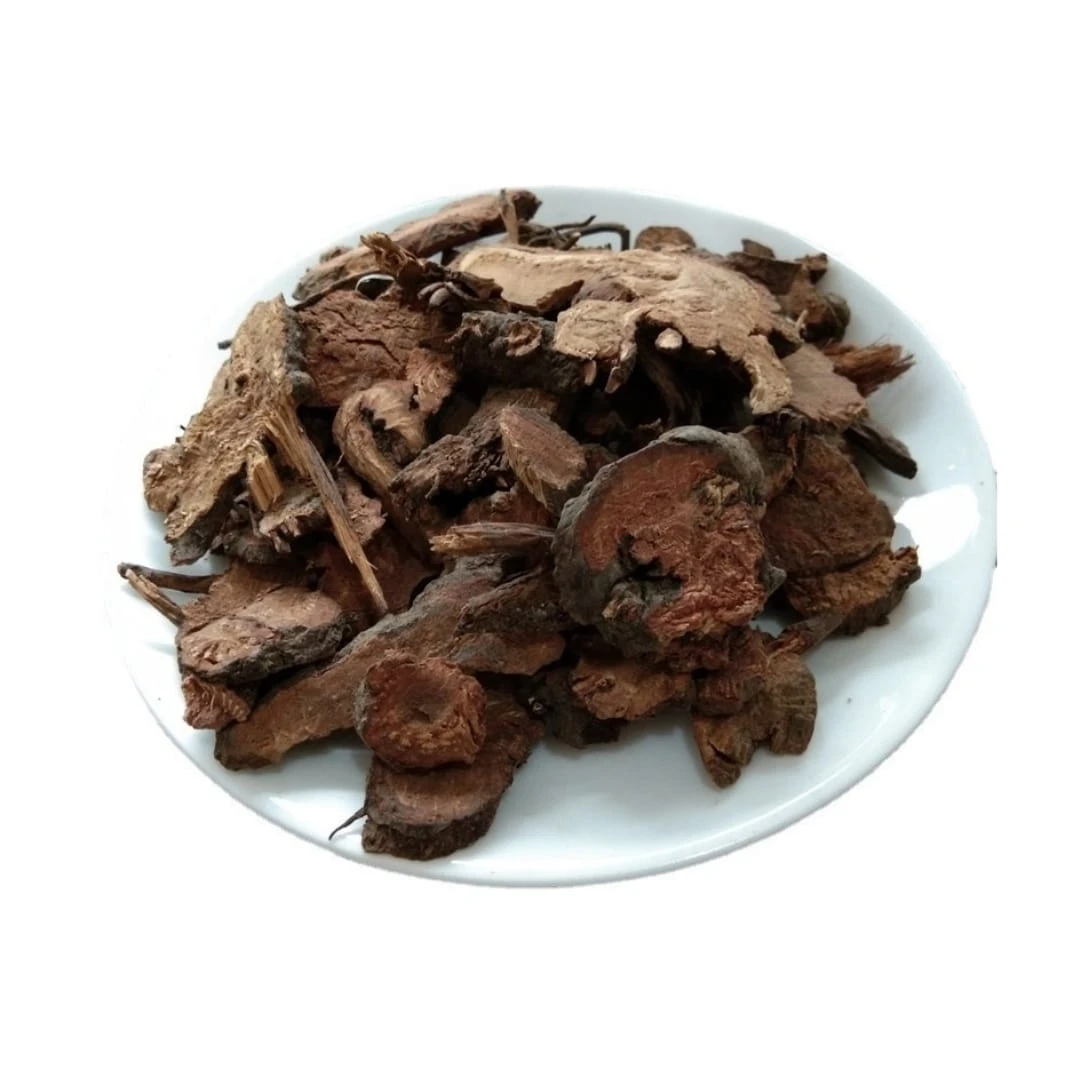


Product Introduction
Garden Burnet Root, known scientifically as Sanguisorba officinalis, is a traditional herbal medicine. It is primarily valued for its hemostatic and astringent properties. This herb has been used for centuries in various cultures to address a range of ailments, focusing on conditions involving bleeding and inflammation. The parts of the plant that are typically used for medicinal purposes are its root and rhizome, which are harvested, processed, and dried.
Main Active Ingredients
The therapeutic effects of Garden Burnet Root are attributed to its complex chemical composition. Key constituents include tannins, which contribute to its astringent and hemostatic actions. Saponins are also present, providing anti-inflammatory and potentially antimicrobial effects. Flavonoids, acting as antioxidants, help protect tissues from damage. These components work synergistically to produce the herb's medicinal properties.
Product Application Scenarios, Usage, and Dosage
Garden Burnet Root is versatile, applicable in various clinical scenarios. It is frequently used to manage bleeding disorders, such as hematemesis, epistaxis, and metrorrhagia. Also useful in treating chronic diarrhea and dysentery due to its astringent properties. Externally, it can be applied to treat burns, eczema, and other skin conditions to promote healing and reduce inflammation.
The typical dosage of Garden Burnet Root is between 9 to 15 grams, usually administered in decoction form. For topical applications, a concentrated decoction or powder can be applied directly to the affected area. It is important to note that dosage may vary depending on the individual's condition and the specific formulation being used, so consulting with a qualified healthcare practitioner is advisable.
Introduction to the Source Plant, Distribution, and Growth Environment
Sanguisorba officinalis is a perennial herbaceous plant belonging to the Rosaceae family. This plant is characterized by its pinnate leaves, and dense spikes of dark red flowers. It is native to Europe, Asia, and North America. The plant favors moist meadows, grasslands, and along riverbanks, often thriving in well-drained soil with plenty of sunlight. The plant has adapted to a wide range of climates, contributing to its widespread distribution.
Harvesting, Processing, and Storage
The roots of Sanguisorba officinalis are typically harvested in the fall, when the plant's energy is concentrated in the root system. The roots are then carefully washed to remove any soil and debris, followed by drying, traditionally done under the sun or using mechanical dryers to reduce moisture content. Once dried, the roots are cut into smaller pieces, before being stored in airtight containers and kept in a cool, dry place away from direct sunlight to preserve their potency and prevent degradation. Proper harvesting and storage techniques are vital for maintaining the therapeutic efficacy of Garden Burnet Root.
Citations:
- Ye, M., et al. "Sanguisorba officinalis L.: A review of its botany, phytochemistry and pharmacology." Journal of Ethnopharmacology 145.1 (2013): 14-30.
- He, X., et al. "Chemical constituents of Sanguisorba officinalis L. and their bioactivities: a review." Chemistry & Biodiversity 15.1 (2018): e1700325.
- Bensky, D., et al. Chinese Herbal Medicine: Materia Medica. 3rd ed. Seattle, WA: Eastland Press, 2004.
Mia Wu

Hi, I’m Mia Wu! I love helping customers discover the best natural ingredients for their products. With a passion for herbs, spices, and fungi, I work to make sure you get only the finest raw materials. Let's grow together! 🌱✨







