
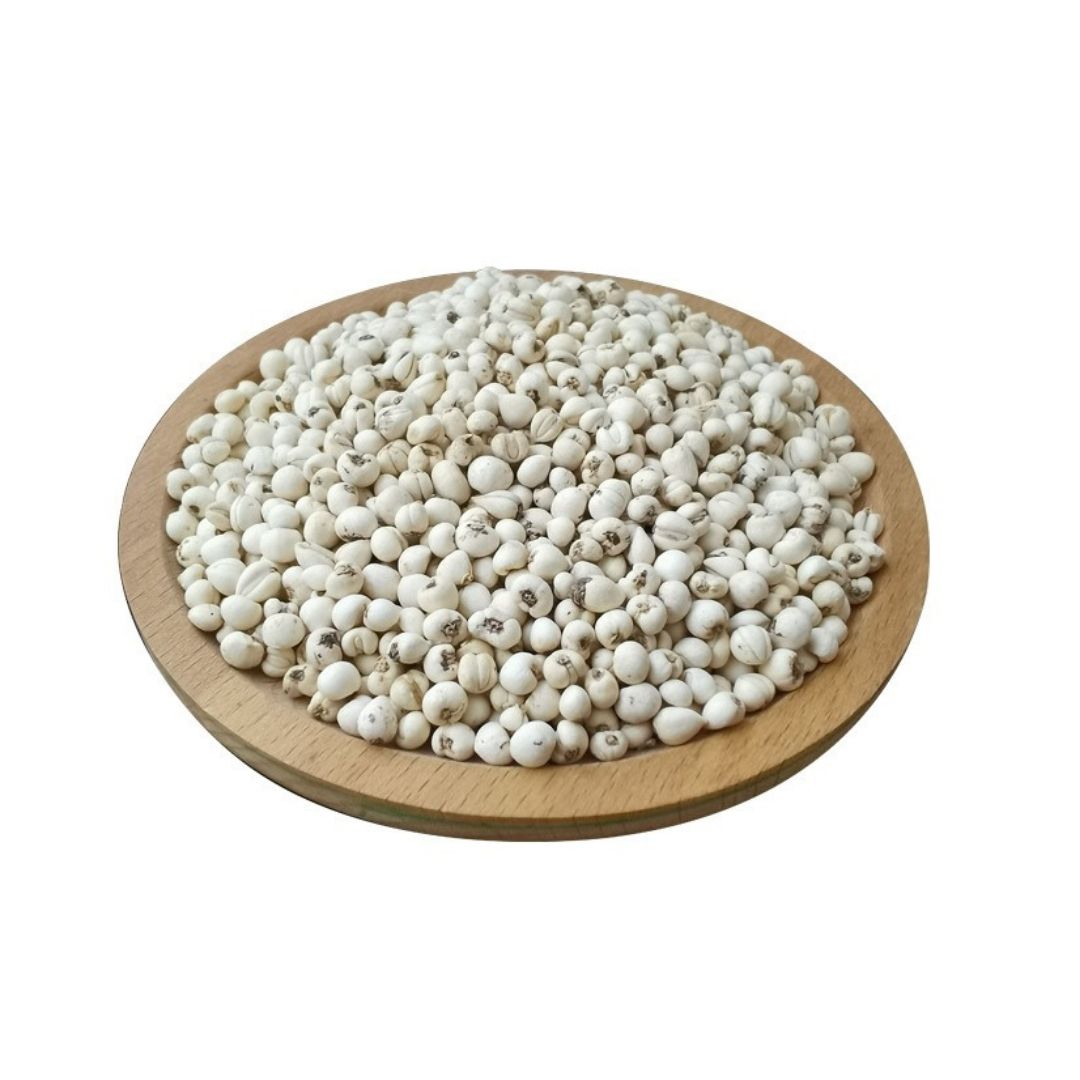


Product Introduction
Fritillariae Bulbus, a prized ingredient in traditional Chinese medicine (TCM), comes from the bulbs of plants belonging to the Fritillaria genus, within the Liliaceae family. These plants, native to China, have been used for centuries due to their therapeutic properties, particularly in addressing respiratory ailments. The herb is valued for its ability to moisten the lungs, resolve phlegm, and clear heat, making it a staple in formulations targeting coughs and other respiratory conditions. Different species such as Fritillaria cirrhosa D.Don, Fritillaria thunbergii Miq. and Fritillaria ussuriensis Maxim. are used in different preparations.
Main Active Ingredients
The efficacy of Fritillariae Bulbus may stem from its complex chemical composition. Alkaloids, such as verticine, are among the key active compounds present. These alkaloids are believed to contribute to the herb's cough-suppressing and expectorant effects. Steroidal glycosides and other compounds also contribute to its overall therapeutic profile. Further research continues to explore the specific mechanisms through which these constituents exert their beneficial effects.
Product Application Scenarios, Usage, and Dosage
In TCM, Fritillariae Bulbus is primarily indicated for coughs, particularly those associated with dry phlegm or lung heat. It is often included in herbal formulas designed to alleviate these symptoms. Conditions such as bronchitis, asthma, and other respiratory infections may benefit from its phlegm-resolving and lung-moistening actions. The typical dosage ranges from 3 to 9 grams per day, usually administered in decoction form. It can also be found in patent medicines, such as pills and syrups [1]. It is generally used in combination with other herbs, tailored to the individual's specific condition.
Introduction to the Source Plant, Distribution, and Growth Environment
Fritillaria species are perennial herbaceous plants, thriving in mountainous regions across China. These plants prefer cool, moist environments, often growing in shaded areas or along forest edges. The distribution of specific Fritillaria species varies, with some being more prevalent in certain regions than others. Fritillaria cirrhosa grows in Sichuan, Yunnan and other provinces in China, often on grassy slopes at altitude of 3,200-4,200m [2]. The plants typically produce a single stem with lance-shaped leaves and bell-shaped flowers, adding to their distinctive appearance.
Harvesting, Processing, and Storage
The bulbs of Fritillaria plants are typically harvested in the late summer or early autumn. After harvesting, the bulbs are cleaned, and often blanched or steamed to inactivate enzymes and prevent spoilage. They are then dried, either in the sun or using mechanical dryers, until they reach a moisture content that is low enough to prevent mold growth. Proper storage is essential to maintain the quality and efficacy of Fritillariae Bulbus. It should be stored in a cool, dry, and well-ventilated place, away from direct sunlight and moisture. Airtight containers can further protect the herb from degradation [3].
Citations:
[1] State Administration of Traditional Chinese Medicine. (1999). Zhonghua Bencao (中华本草). Shanghai Scientific & Technical Publishers.
[2] Flora of China Editorial Committee. (2000). Flora of China (English Edition), Vol. 24. Science Press and Missouri Botanical Garden Press.
[3] Bensky, D., Gamble, A., & Kaptchuk, T. J. (1993). Chinese Herbal Medicine: Materia Medica. Eastland Press.
Mia Wu

Hi, I’m Mia Wu! I love helping customers discover the best natural ingredients for their products. With a passion for herbs, spices, and fungi, I work to make sure you get only the finest raw materials. Let's grow together! 🌱✨







