

Product Introduction
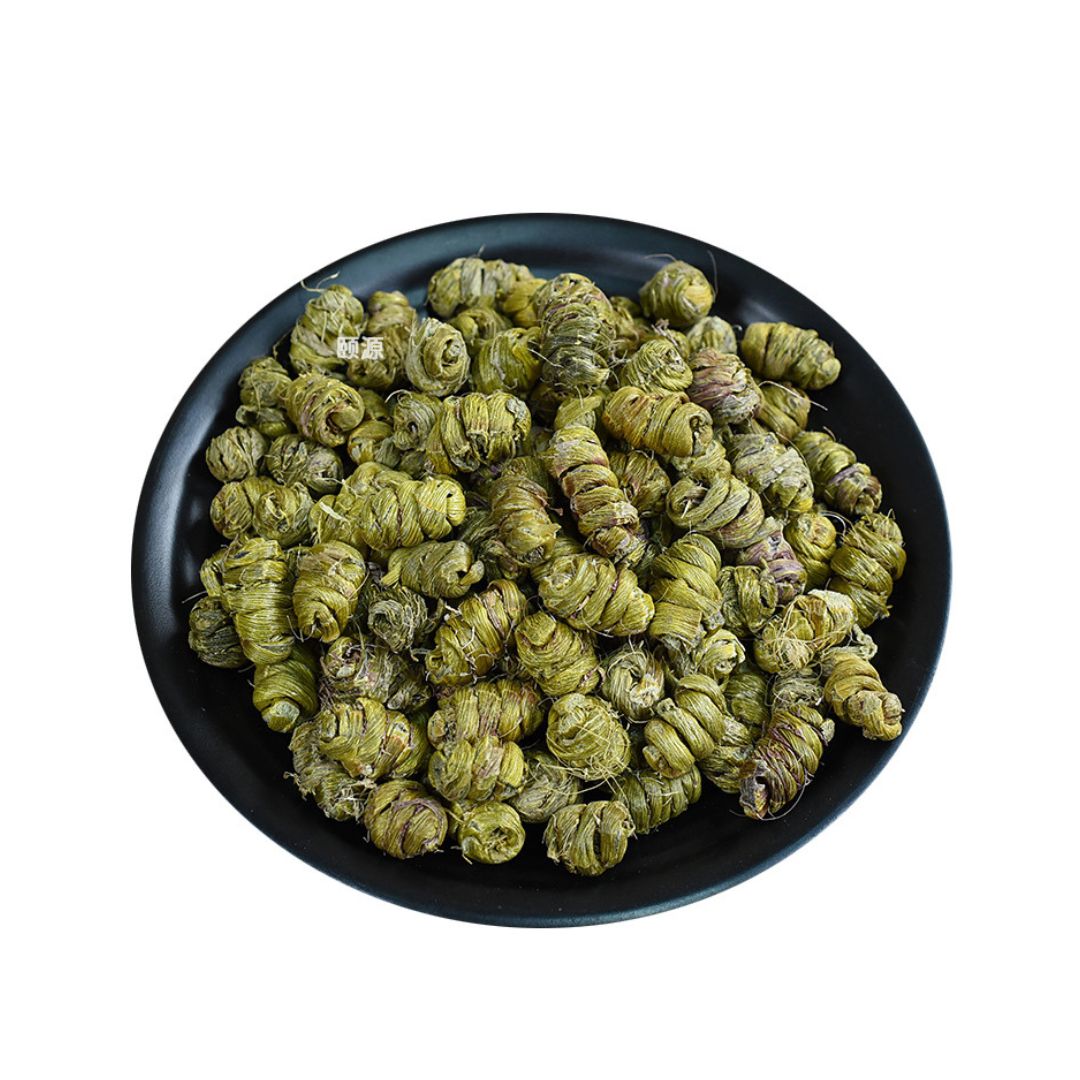
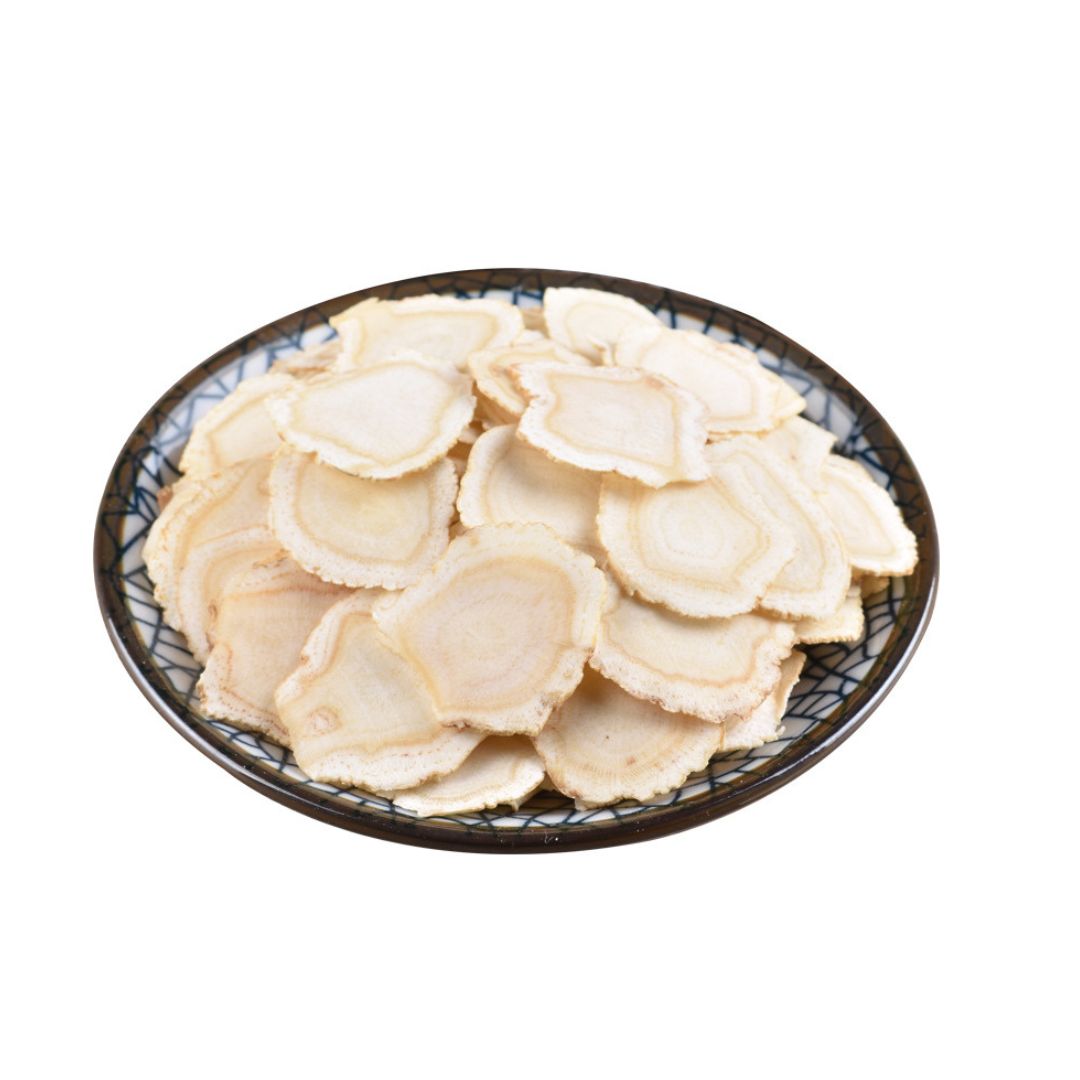
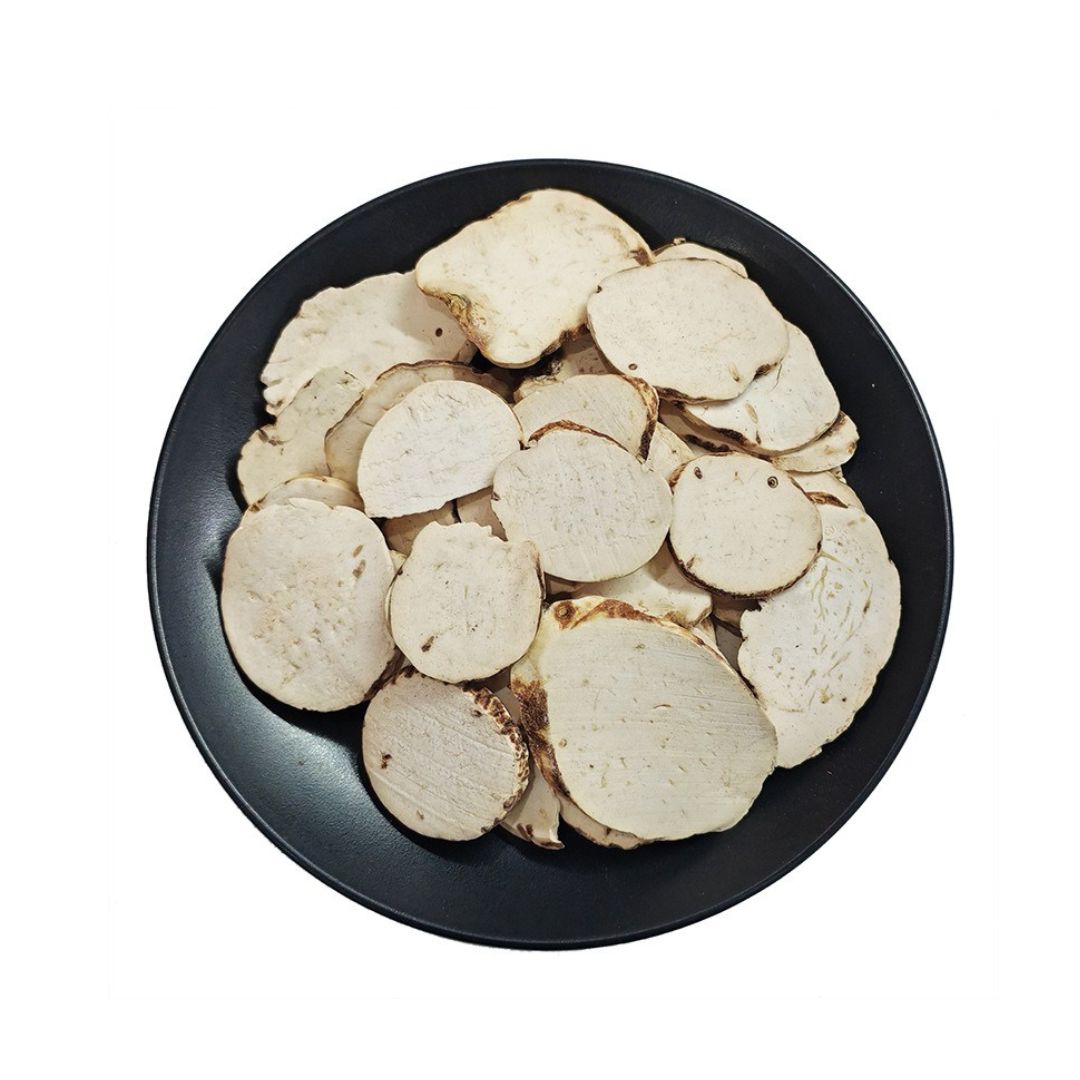
Fritillary Flat, or Ping bei mu, is a valuable herb in Traditional Chinese Medicine (TCM), derived from the Fritillaria ussuriensis plant. This medicinal material is known for its therapeutic properties, particularly in addressing respiratory conditions. Its unique chemical composition contributes to its effectiveness. The herb's traditional use is well-documented in TCM literature, highlighting its significance in various formulations and treatments. Practitioners value it for its ability to alleviate coughs and dissolve phlegm.
Main Active Ingredients
The primary active ingredients in Fritillary Flat include alkaloids, such as verticine (peimine). These compounds are responsible for many of the herb's pharmacological actions. Verticine, in particular, exhibits antitussive and expectorant effects. Further research has explored other potential bioactive compounds that contribute to its overall therapeutic profile. These components work synergistically to produce the desired clinical outcomes. The presence and concentration of these alkaloids can vary depending on the plant's origin and processing methods.
Product Application Scenarios, Usage, and Dosage
Fritillary Flat is commonly used in TCM to treat coughs, especially those associated with dry or stagnant phlegm. It is often prescribed for conditions like bronchitis and pneumonia to help clear the airways and ease breathing. The typical dosage ranges from 3 to 9 grams per day, usually administered in decoctions. It can be combined with other herbs to enhance its effects or to address specific symptom patterns. Usage may vary depending on the individual's condition. It is important to consult with a qualified TCM practitioner for proper diagnosis and customized treatment plans.
Introduction to the Source Plant, Distribution, and Growth Environment
Fritillaria ussuriensis is a perennial bulbous plant. It is primarily distributed in the northeastern regions of China, such as Heilongjiang, Jilin, and Liaoning provinces. The plant thrives in cool, humid environments, often found in mountainous areas and forest understories. The specific growing conditions, including soil type and climate, can influence the chemical composition of the herb. Sustainable harvesting practices are essential to ensure the long-term availability of this valuable resource. Its growth cycle typically involves dormancy during the winter months and active growth in the spring and summer.
Harvesting, Processing, and Storage
The bulbs of Fritillaria ussuriensis are typically harvested in the late summer or early autumn. After harvesting, the bulbs are cleaned, and often blanched or steamed, to inactivate enzymes and prevent spoilage. They are then dried, either naturally in the sun or using mechanical dryers, to reduce moisture content. Proper drying is crucial to preserve the herb's active constituents and prevent mold growth. The dried bulbs should be stored in airtight containers in a cool, dry, and dark place to maintain their potency and prevent degradation. Regular monitoring of the stored herb is recommended to ensure quality.
Citations:
- Chinese Materia Medica. Shanghai Science and Technology Press. 2001.
- Pharmacopoeia of the People's Republic of China. China Medical Science and Technology Press. 2020.
- Bensky, D., et al. Chinese Herbal Medicine: Materia Medica. 3rd ed. Seattle, WA: Eastland Press, 2004.
Mia Wu

Hi, I’m Mia Wu! I love helping customers discover the best natural ingredients for their products. With a passion for herbs, spices, and fungi, I work to make sure you get only the finest raw materials. Let's grow together! 🌱✨