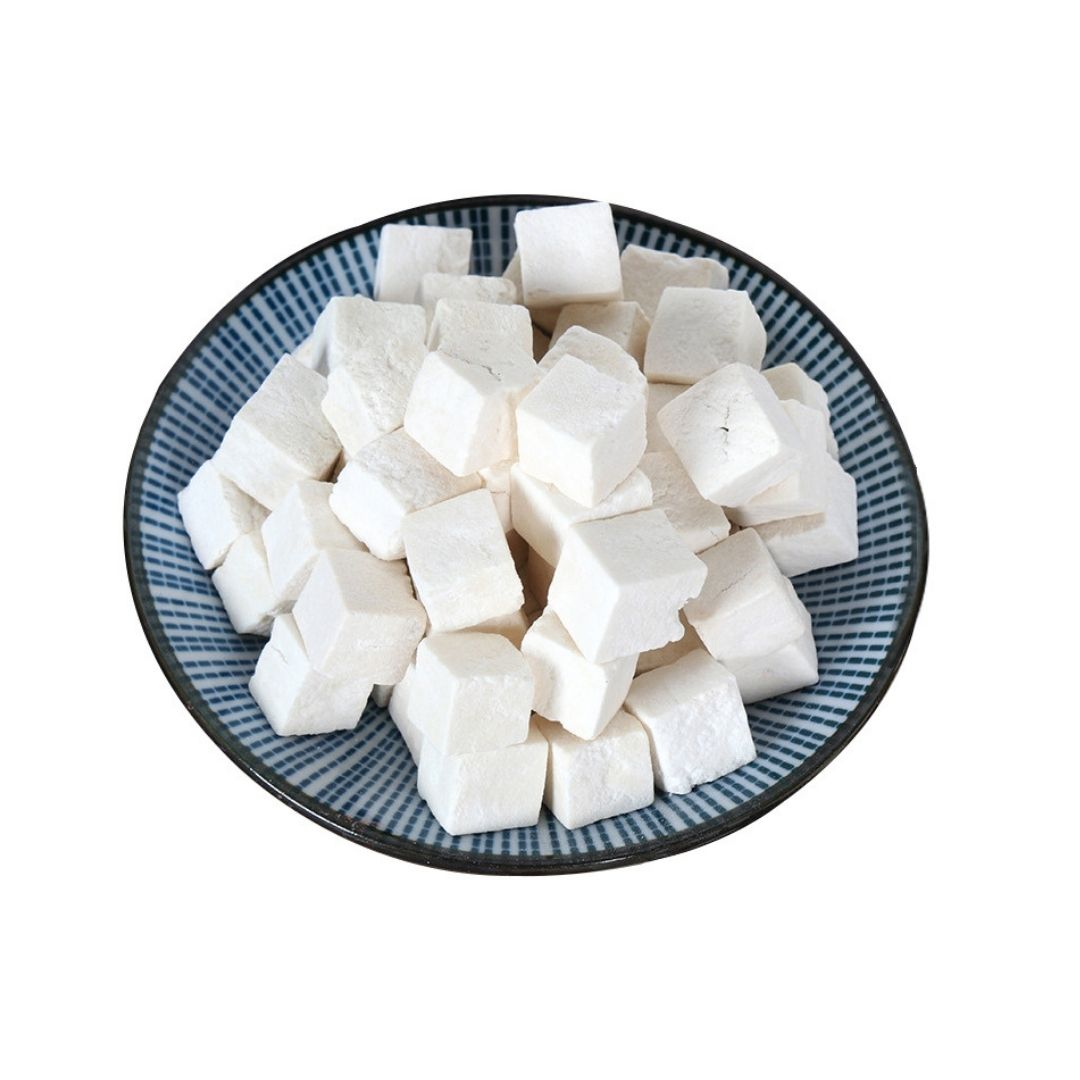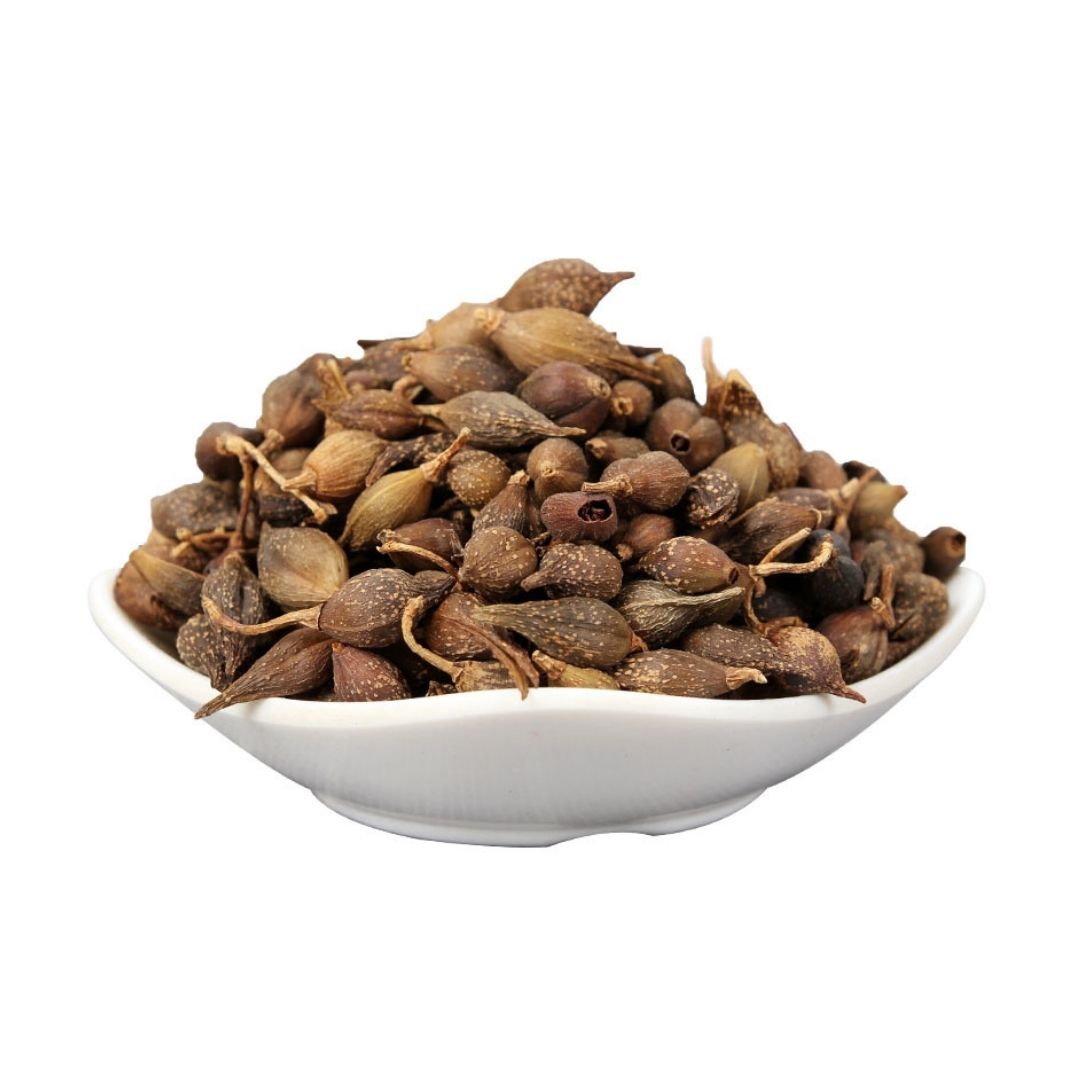


Product Introduction
Forsythiae Fructus, a widely recognized herb in Traditional Chinese Medicine (TCM), comes from the dried fruit of the Forsythia suspensa plant. This herb is valued for its medicinal properties, particularly in addressing heat-related conditions and detoxification. In TCM practices, Forsythiae Fructus, known as Lian Qiao, is frequently used, especially in the early stages of febrile diseases.
Main Active Ingredients
The efficacy of Forsythiae Fructus is attributed to its complex chemical composition. Lignans, a class of phytoestrogens, are abundant, contributing to the herb's anti-inflammatory and antioxidant capabilities. Phenylethanoids, another group of compounds, play a role in the herb's pharmacological actions. Furthermore, flavonoids contribute to the therapeutic effects, offering antioxidant and anti-inflammatory benefits. These constituents collectively influence the herb's ability to address infections and reduce inflammation.
Product Application Scenarios, Usage, and Dosage
Forsythiae Fructus is commonly employed in treating a range of conditions characterized by heat and toxicity. It is often prescribed for external pathogenic wind-heat, which manifests as fever and sore throat, and is, furthermore, used for dissipating nodules. The typical dosage for oral administration is 6 to 15 grams, usually decocted in water. Clinicians often combine it with other herbs to enhance its therapeutic effects, tailoring the prescription to the individual’s specific condition.
Introduction to the Source Plant, Distribution, and Growth Environment
Forsythia suspensa is a deciduous shrub native to China. The plant is typically found growing in mountainous areas and thickets. It thrives in well-drained soils and requires plenty of sunlight for optimal growth. The plant is characterized by its arching branches and bright yellow flowers, which bloom in early spring before the leaves emerge.
Harvesting, Processing, and Storage
The fruits of Forsythia suspensa are typically harvested in the autumn when they turn yellow-green to yellow-brown. After harvesting, the fruits are dried, either in the sun or using mechanical drying methods. Proper drying is crucial to preserve the herb's quality and prevent spoilage. Once dried, Forsythiae Fructus should be stored in a cool, dry, and well-ventilated place to maintain its potency and prevent insect infestation.
Citations
- Chinese Pharmacopoeia Commission. (2020). Pharmacopoeia of the People's Republic of China. China Medical Science Press.
- Liao, J., Xiao, P., Zhang, H., & Xu, Y. (2018). Chemical constituents and bioactivities of Forsythia suspensa (Thunb.) Vahl: A review. Journal of Ethnopharmacology, 215, 297-310.
- Lu, T., Zhang, H., & Wang, X. (2016). Forsythiae Fructus: A review of phytochemistry, pharmacology, and clinical use. Chinese Herbal Medicines, 8(4), 339-349.
Mia Wu

Hi, I’m Mia Wu! I love helping customers discover the best natural ingredients for their products. With a passion for herbs, spices, and fungi, I work to make sure you get only the finest raw materials. Let's grow together! 🌱✨