
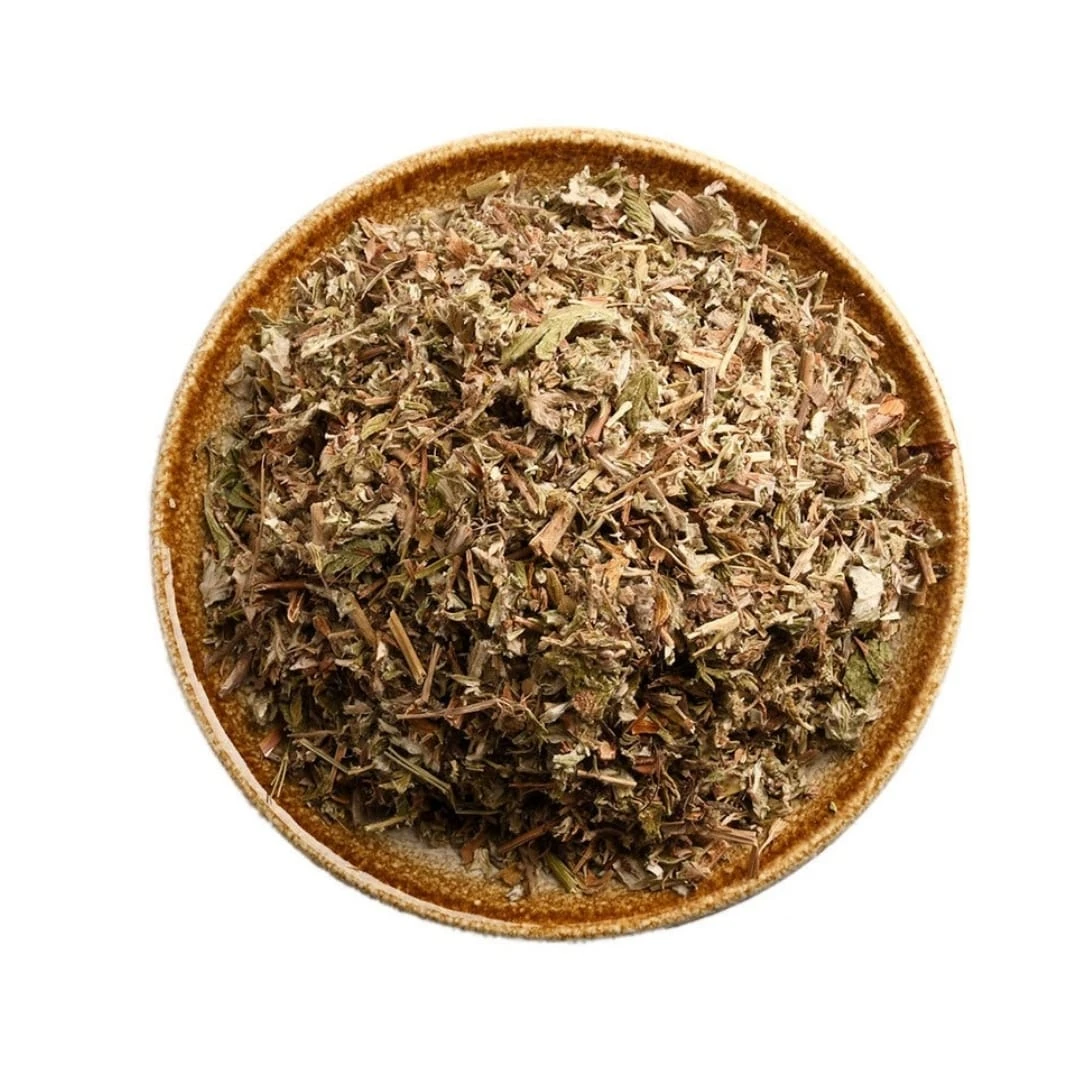


Product Introduction
Fanbaicao, scientifically known as Alternanthera sessilis, is a versatile herb utilized in traditional Chinese medicine (TCM). This plant, belonging to the Amaranthaceae family, is valued for its medicinal properties and has been used for centuries in various traditional medical systems. The whole plant is typically harvested, dried, and then employed in different preparations.
Main Active Ingredients
Fanbaicao contains a range of bioactive compounds that contribute to its therapeutic effects. These include flavonoids, which are known for their antioxidant and anti-inflammatory properties. Additionally, alkaloids present in the herb may contribute to its medicinal actions. Other phytochemicals, such as saponins and tannins, are also found in Fanbaicao and contribute to its overall pharmacological profile. The specific composition and concentration of these compounds can vary depending on factors such as the plant's geographical origin, growing conditions, and harvesting period.
Product Application Scenarios, Usage, and Dosage
In traditional Chinese medicine, Fanbaicao is used for a wide array of applications. Traditionally, Fanbaicao is indicated for clearing heat, resolving toxins, cooling the blood, and promoting diuresis. For internal use, the typical dosage is 15 to 30 grams, decocted in water. It is often used in combination with other herbs to enhance its effects or to address complex health conditions. The specific application, usage, and dosage should be determined by a qualified healthcare practitioner based on the individual's health status and specific needs.
Introduction to the Source Plant, Distribution, and Growth Environment
Alternanthera sessilis is a perennial herb that thrives in moist and aquatic environments. It is widely distributed in tropical and subtropical regions around the world, including Asia, Africa, and the Americas. The plant typically grows in areas such as wetlands, riverbanks, and rice paddies. It prefers fertile soil and ample sunlight, though it can tolerate partial shade. Its adaptability allows it to flourish in diverse habitats, contributing to its widespread availability.
Harvesting, Processing, and Storage
The harvesting of Fanbaicao typically occurs during the summer and autumn months when the plant is in full bloom, and it is crucial to harvest the herb at the right time to ensure optimal potency. The entire plant is usually collected, washed to remove any dirt or debris, and then dried, either in the sun or using mechanical drying methods. Proper drying is crucial to prevent mold growth and preserve the active compounds with ventilation being essential. Once dried, the herb should be stored in a cool, dry place, away from direct sunlight and moisture, to maintain its quality and efficacy over an extended period.
Citations
- Chen, J. K., & Chen, T. T. (2004). Chinese Medical Herbology and Pharmacology. Art of Medicine Press.
- Bensky, D., Clavey, S., & Stöger, E. (2004). Chinese Herbal Medicine: Materia Medica. Eastland Press.
- Yeung, H. C. (1985). Handbook of Chinese Herbs and Formulas. Institute of Chinese Medicine, Los Angeles.
Mia Wu

Hi, I’m Mia Wu! I love helping customers discover the best natural ingredients for their products. With a passion for herbs, spices, and fungi, I work to make sure you get only the finest raw materials. Let's grow together! 🌱✨







