

Product Introduction
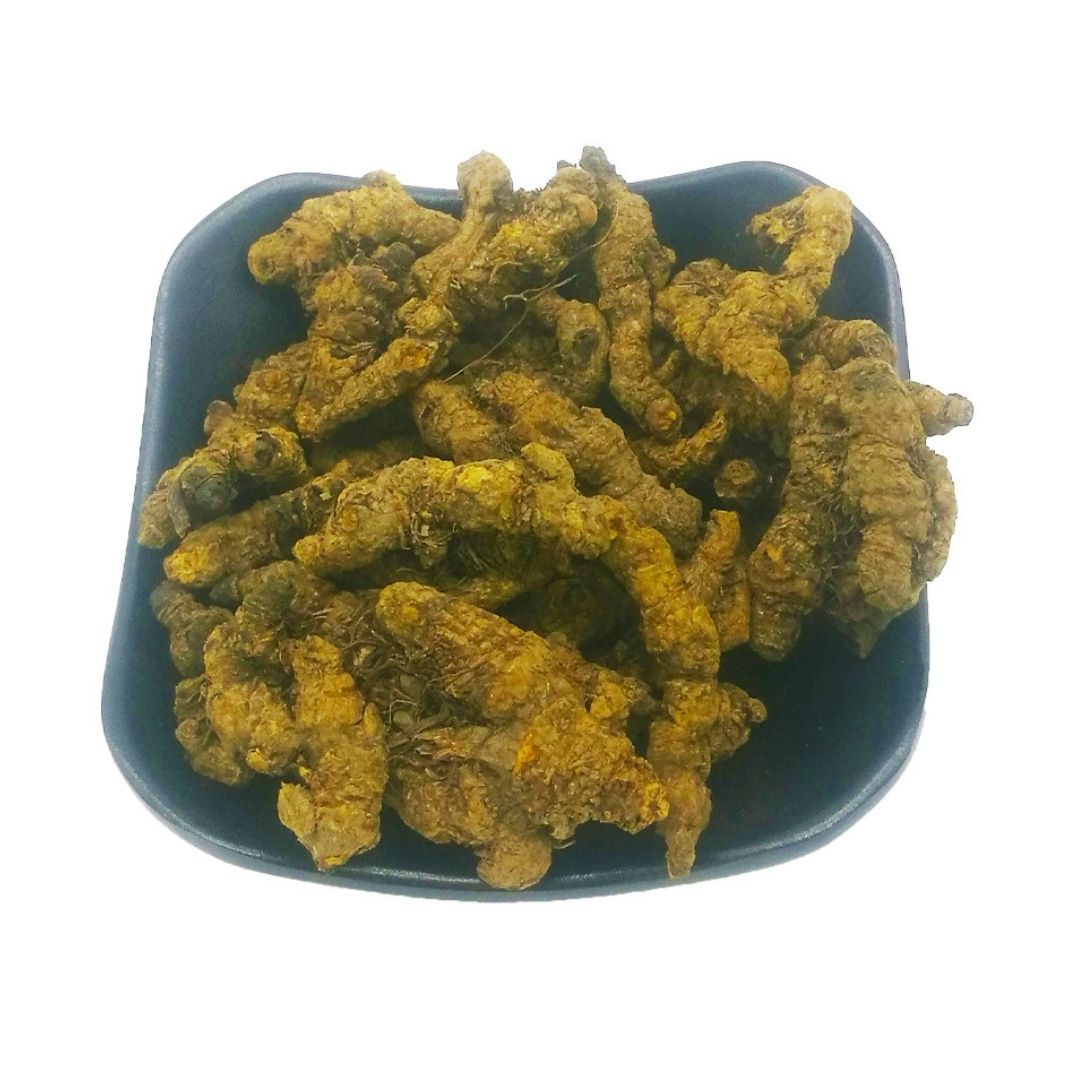
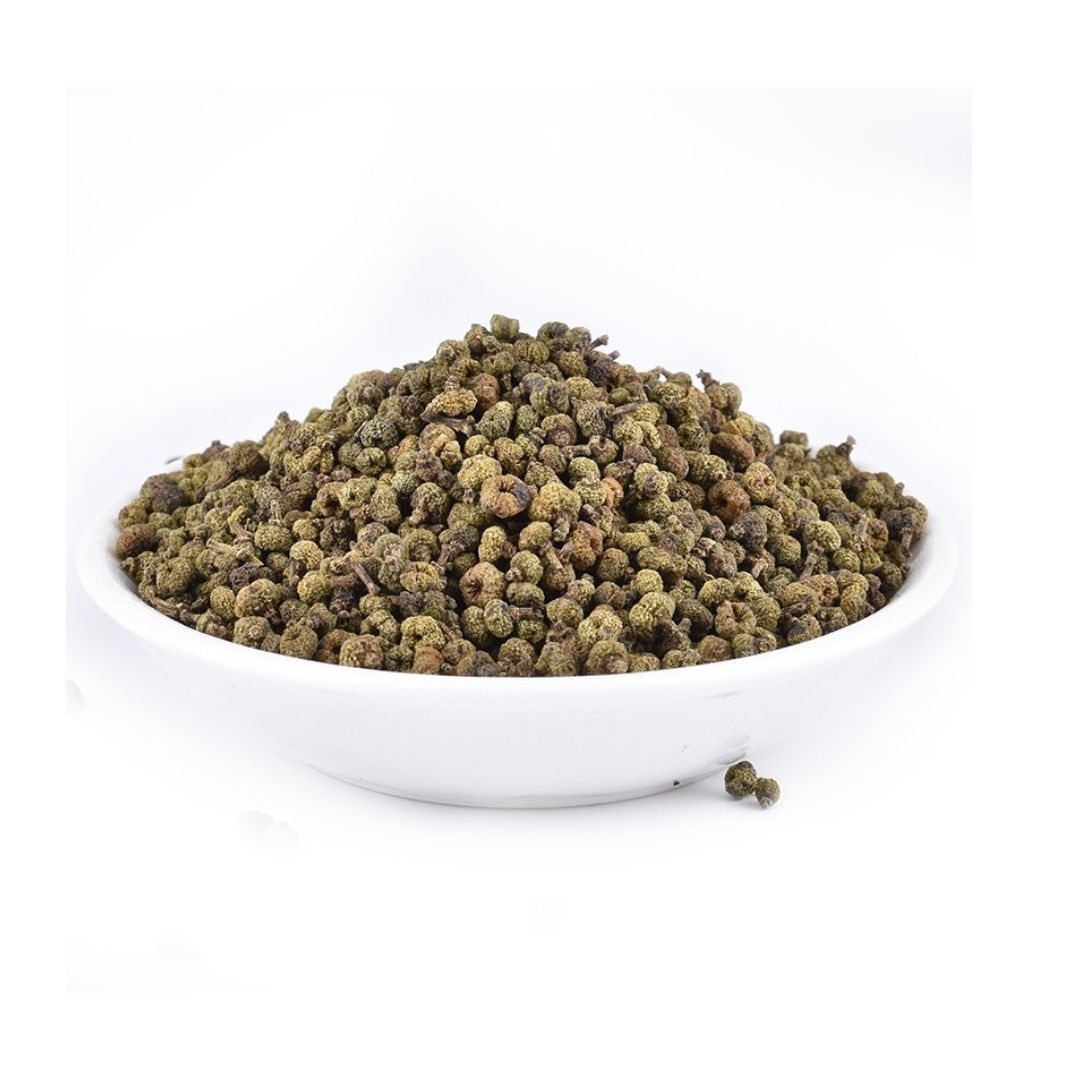
Evodia, also known as Wu Zhu Yu, is a widely recognized herb in traditional Chinese medicine, valued for its therapeutic properties. The herb comes from the Evodia rutaecarpa plant and its related varieties. It is typically harvested for its fruit, which is then processed and used in various medicinal applications. Its unique combination of flavors and effects on specific meridians makes it a versatile remedy in addressing different health imbalances.
Main Active Ingredients
The key active ingredients in Evodia include evodiamine, rutaecarpine, and limonene. Evodiamine has been shown to have anti-inflammatory and analgesic effects. Rutaecarpine is noted for its potential to improve blood circulation and regulate body temperature. Limonene contributes to the herb's aromatic profile and may also have therapeutic benefits. These components collectively contribute to Evodia's overall medicinal properties.
Product Application Scenarios, Usage, and Dosage
Evodia is used in various scenarios, from dispelling cold to alleviating pain. It is indicated for conditions of cold stagnation in the liver meridian, headache, and epigastric pain. The herb is also employed to relieve symptoms associated with deficiency-cold of the spleen and stomach. Typical usage involves decocting the herb, and the dosage generally ranges from 1.5 to 4.5 grams daily, as determined by a healthcare provider.
Introduction to the Source Plant, Distribution, and Growth Environment
Evodia rutaecarpa and its variants are deciduous shrubs or small trees native to China. These plants are primarily distributed in provinces such as Guizhou, Zhejiang, and Sichuan. They thrive in warm, humid environments, typically found in mountainous regions and along forest edges. The plants prefer well-drained soil and a partially shaded habitat to facilitate optimal growth and fruit production.
Harvesting, Processing, and Storage
The fruits of Evodia are usually harvested in the late summer or early autumn when they are nearly ripe, usually around September to October. After harvesting, the fruits are typically dried in the sun or using low-heat drying methods to preserve their active compounds. Proper storage is crucial to maintain the herb's quality. It should be kept in a cool, dry, and well-ventilated area to prevent mold and degradation of its medicinal properties.
Citations
- Chen, J. K., & Chen, T. T. (2004). Chinese Medical Herbology and Pharmacology. Art of Medicine Press.
- Bensky, D., Gamble, A., & Kaptchuk, T. (1993). Chinese Herbal Medicine: Materia Medica. Eastland Press.
- Національна академія наук України, Інститут молекулярної біології і генетики (2023). Evodia rutaecarpa. Лікарські рослини: енциклопедичний довідник.
Mia Wu

Hi, I’m Mia Wu! I love helping customers discover the best natural ingredients for their products. With a passion for herbs, spices, and fungi, I work to make sure you get only the finest raw materials. Let's grow together! 🌱✨