
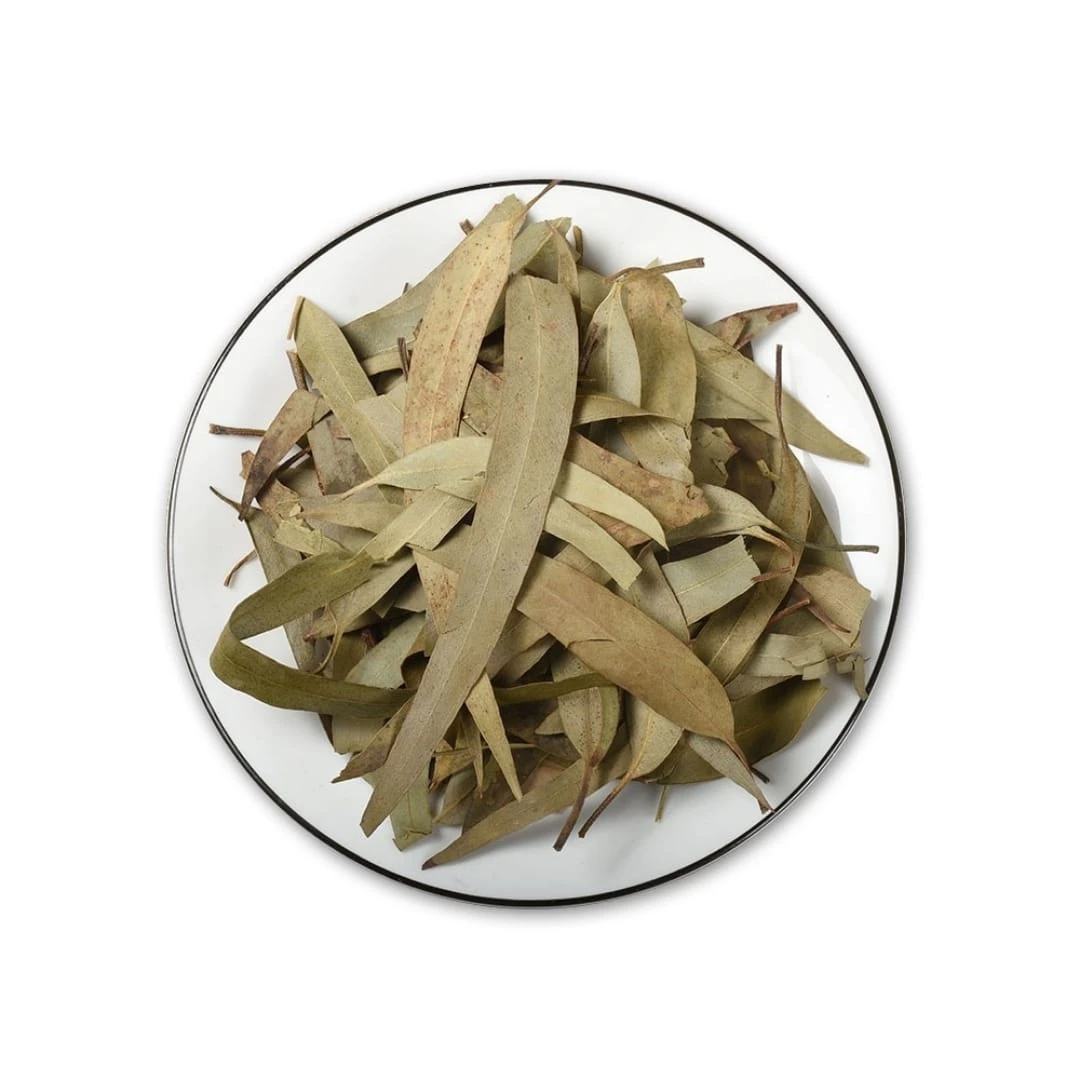


Product Introduction
Eucalyptus leaf, sourced from various species of the Eucalyptus genus, primarily Eucalyptus globulus, has a prominent place in traditional medicine. Its use spans several cultures, owing to its aromatic and therapeutic properties. The leaf's contribution to respiratory wellness is particularly noteworthy, rendering it a popular ingredient in various health and wellness products.
Main Active Ingredients
The efficacy of eucalyptus leaf is mainly attributed to its rich concentration of volatile oils, chief among them being eucalyptol, also known as 1,8-cineole. This compound is known for its expectorant and anti-inflammatory effects, which play a key role in alleviating respiratory discomfort. Other components, such as terpenes and flavonoids, contribute synergistically to its overall therapeutic profile.
Product Application Scenarios, Usage, and Dosage
Eucalyptus leaf can be used in various ways, including infusions, decoctions, and steam inhalations. It is frequently integrated into cough drops, chest rubs, and aromatherapy blends. For steam inhalation, the recommended dosage typically involves adding a few drops of eucalyptus essential oil to a bowl of hot water and inhaling the steam. When preparing an infusion, 1-2 teaspoons of dried eucalyptus leaf can be steeped in hot water for 10-15 minutes. Dosage may vary based on the specific product and the individual’s health condition, and consulting a healthcare professional is advised.
Introduction to the Source Plant, Distribution, and Growth Environment
The Eucalyptus genus encompasses a wide array of tree species, primarily native to Australia. Eucalyptus globulus, one of the most commonly utilized species for medicinal purposes, is characterized by its rapid growth and adaptability. These trees thrive in diverse environments, ranging from temperate to subtropical climates. They are now cultivated extensively in various regions around the world, including parts of Europe, Africa, and the Americas.
Harvesting, Processing, and Storage
The harvesting of eucalyptus leaves typically occurs when the trees are mature, and the leaves contain a high concentration of essential oils. The leaves are often harvested by hand and then dried to reduce moisture content, which prevents spoilage. After drying, the leaves may be further processed, such as being ground into a powder or steam-distilled to extract the essential oil. Proper storage involves keeping the dried leaves or extracted oil in airtight containers, away from light, heat, and moisture, to preserve their therapeutic properties.
Citations
- Bolton, J. L., et al. "Botanical safety consortium perspective on the potential for liver injury associated with * botanical dietary supplements. " Chemical Research in Toxicology 32.5 (2019): 707-724.
- Lis-Balchin, M. "Eucalyptus globulus." Medicinal and Aromatic Plant Science and Biotechnology 2.1 (2008): 52-58.
- Wand, M. B., et al. "Essential oils for the treatment of respiratory tract infections during childhood: a systematic review." European Journal of Pediatrics 170 (2011): 725–734.
Mia Wu

Hi, I’m Mia Wu! I love helping customers discover the best natural ingredients for their products. With a passion for herbs, spices, and fungi, I work to make sure you get only the finest raw materials. Let's grow together! 🌱✨







