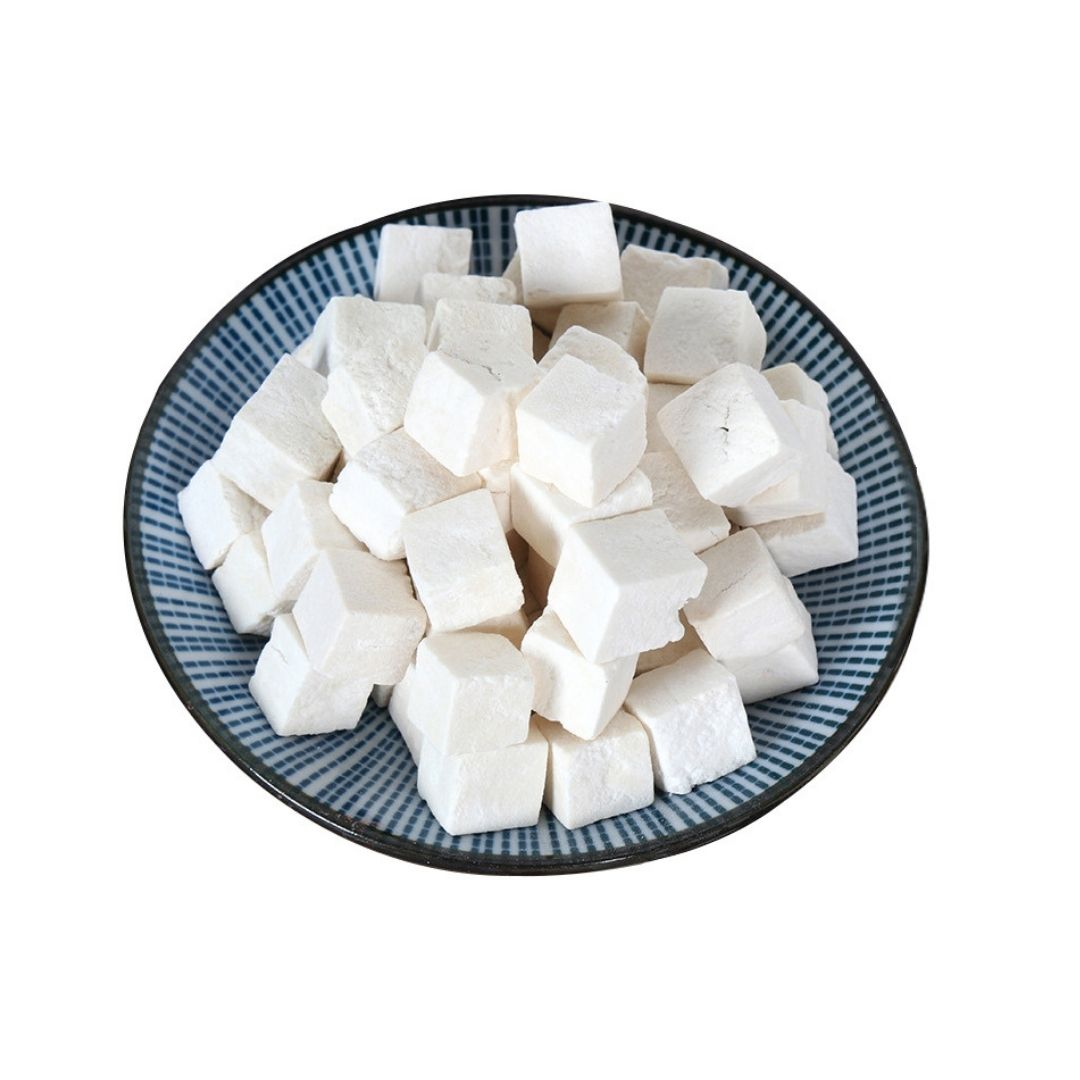
Product Introduction
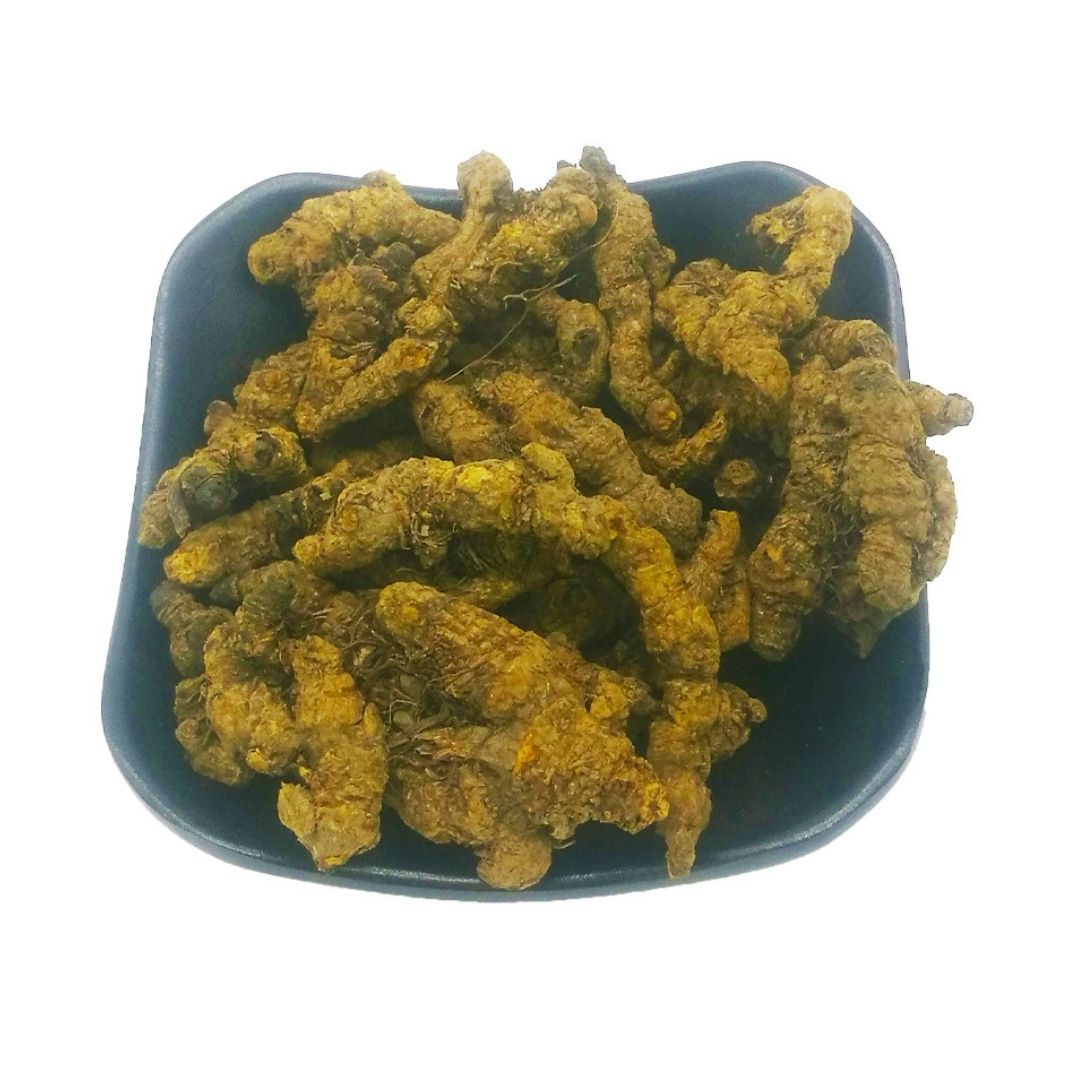
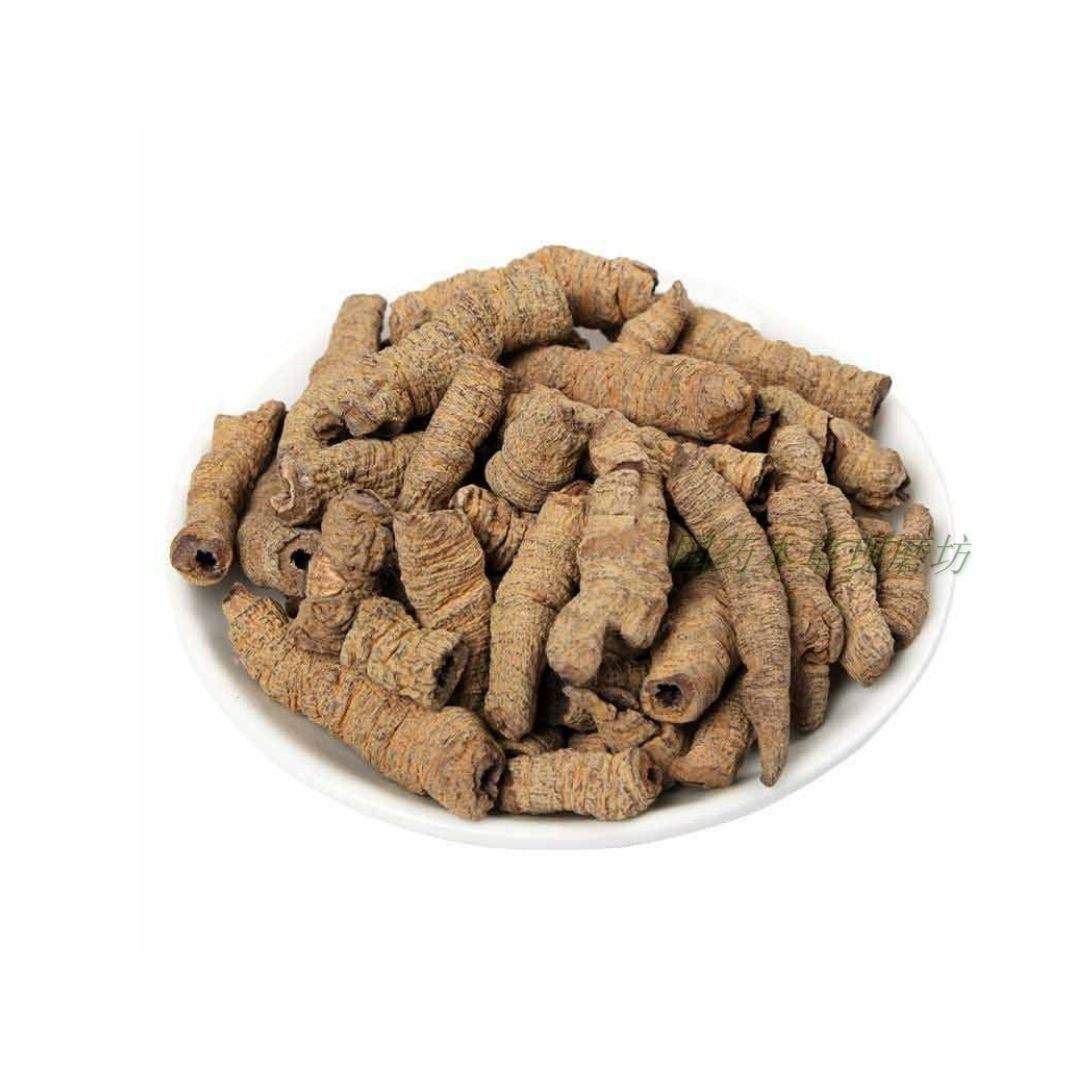
Dipsaci Radix, a traditional Chinese medicine, is sourced from the dried roots of Dipsacus japonicus Miq. or Dipsacus asperoides C. Y. Cheng et T. M. Ai. It is valued for its medicinal properties in strengthening bones and promoting healing. This herb has been used for centuries, in traditional practices.
Main Active Ingredients
The primary active components found in Dipsaci Radix include iridoid glycosides and saponins. These compounds contribute to its therapeutic effects, such as its anti-inflammatory and analgesic properties. Research indicates that these components play a crucial role, in the herb's ability, to aid in bone repair and improve circulation.
Product Application Scenarios, Usage, and Dosage
Dipsaci Radix is frequently applied, in scenarios involving bone fractures, arthritis, and lower back pain. The typical dosage ranges from 6 to 12 grams, usually administered in decoction form. Additionally, some herbal formulations utilize it, in combination, with other herbs, to enhance its effects. Consulting with a healthcare professional, before use, is recommended. It has also been explored, for its potential use, in treating soft tissue injuries and promoting overall musculoskeletal health.
Introduction to the Source Plant, Distribution, and Growth Environment
Dipsacus japonicus and Dipsacus asperoides are the plants from which Dipsaci Radix is derived. These plants are mainly distributed in regions of China and Japan. They thrive in mountainous areas, and along, shaded slopes. The plants prefer moist environments, and well-drained soils, for optimal growth.
Harvesting, Processing, and Storage
The roots are typically harvested in the autumn or winter months. After harvesting, the roots are cleaned, dried and then sliced. Proper drying, and processing techniques, are essential to preserve the herb's quality. It should be stored in a cool, dry environment, away from direct sunlight, to maintain its potency and prevent degradation.
Citations
[1] Lu, N., et al. "Chemical constituents from Dipsacus asperoides and their anti-inflammatory activities." Journal of Ethnopharmacology 148.3 (2013): 951-957.
[2] Zhang, H., et al. "Iridoid glycosides from Dipsacus japonicus and their bioactivities." Fitoterapia 83.1 (2012): 148-154.
Mia Wu

Hi, I’m Mia Wu! I love helping customers discover the best natural ingredients for their products. With a passion for herbs, spices, and fungi, I work to make sure you get only the finest raw materials. Let's grow together! 🌱✨