
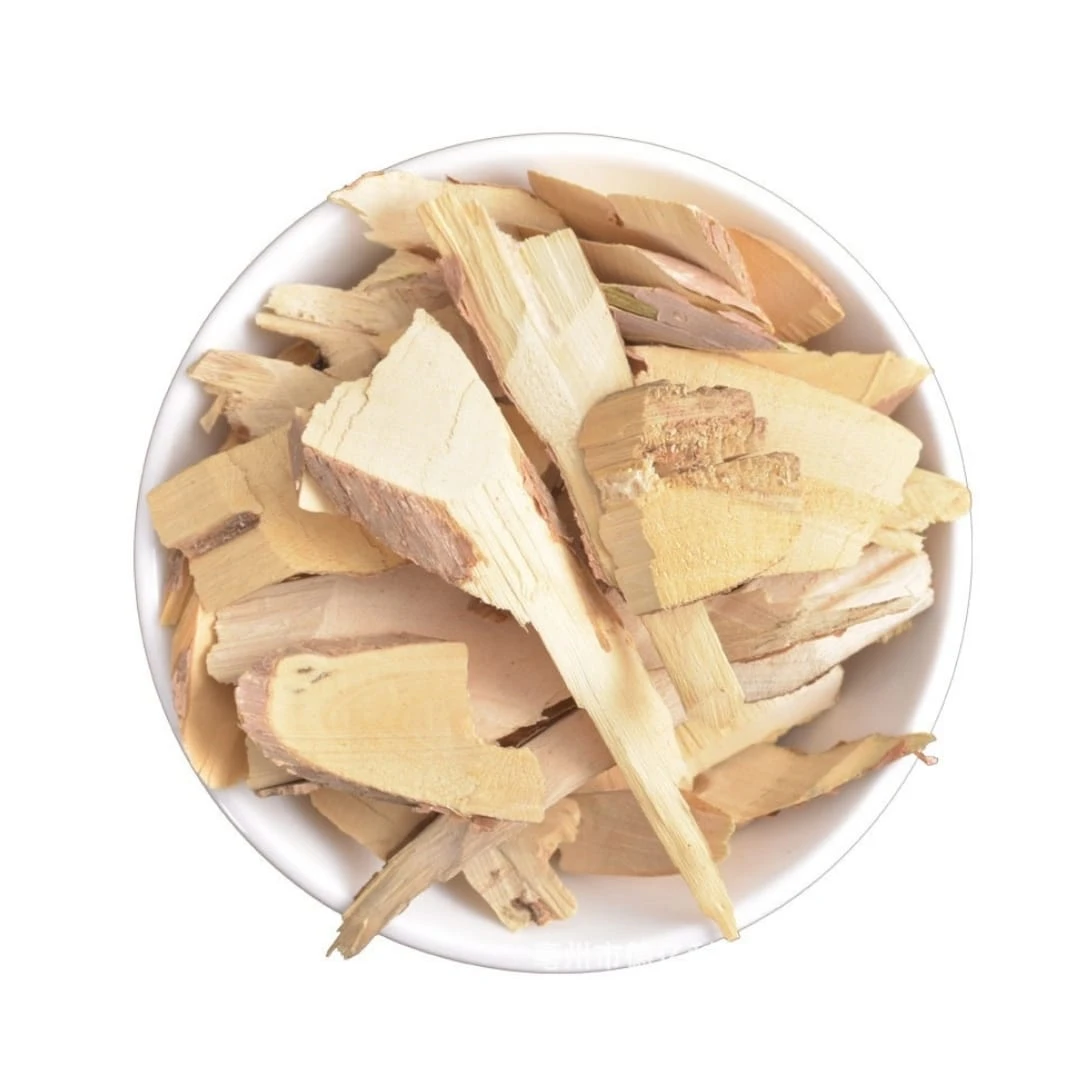


Product Introduction
Dichroa Febrifuga, commonly known as Chang Shan, has been used in traditional Chinese medicine for centuries. Its primary application is in the treatment of malaria, owing to its potent anti-malarial properties. The herb is derived from the root of the Dichroa febrifuga plant, a shrub found in various regions of Asia, and it is characterized by its bitter taste and notable effects on specific meridians.
Main Active Ingredients
The key active ingredients in Dichroa febrifuga are febrifugine and isofebrifugine. Febrifugine is known to be a powerful anti-malarial agent, demonstrating significant efficacy against malaria parasites. These compounds are alkaloids that interfere with the parasite's growth and reproduction within the host's body, and research has focused significantly on understanding and isolating these compounds for medicinal usage.
Product Application Scenarios, Usage, and Dosage
In traditional Chinese medicine, Dichroa febrifuga is primarily indicated for the treatment of malaria. It has also historically been used for addressing phlegm accumulation. The herb is typically prepared in decoctions, although its potent emetic effect requires careful dosage control. The traditional dosage varies, and it should be administered under the guidance of a qualified healthcare practitioner to minimize adverse effects such as vomiting and gastrointestinal distress. Due to its toxicity, modern usage often involves extracts or purified compounds to better manage dosage and side effects.
Introduction to the Source Plant, Distribution, and Growth Environment
Dichroa febrifuga is a shrub belonging to the Hydrangeaceae family. The plant is native to regions of Asia, including China, India, and Southeast Asia. It thrives in moist, shaded environments, often found in forests and along streams in mountainous areas. The plant typically grows to a height of 1 to 2 meters, featuring lance-shaped leaves and small, white flowers.
Harvesting, Processing, and Storage
The roots of Dichroa febrifuga are typically harvested in the fall. After harvesting, the roots are cleaned, dried, and then processed for medicinal use. Traditional methods involve slicing the roots and then drying them in the sun or through artificial means. Proper storage is crucial to maintain the herb's potency and prevent degradation. The dried roots should be stored in a cool, dry place, away from direct sunlight and moisture, to ensure their efficacy and longevity.
Citations
National Center for Biotechnology Information
World Health Organization
Traditional Chinese Medicine Databases
Mia Wu

Hi, I’m Mia Wu! I love helping customers discover the best natural ingredients for their products. With a passion for herbs, spices, and fungi, I work to make sure you get only the finest raw materials. Let's grow together! 🌱✨







