
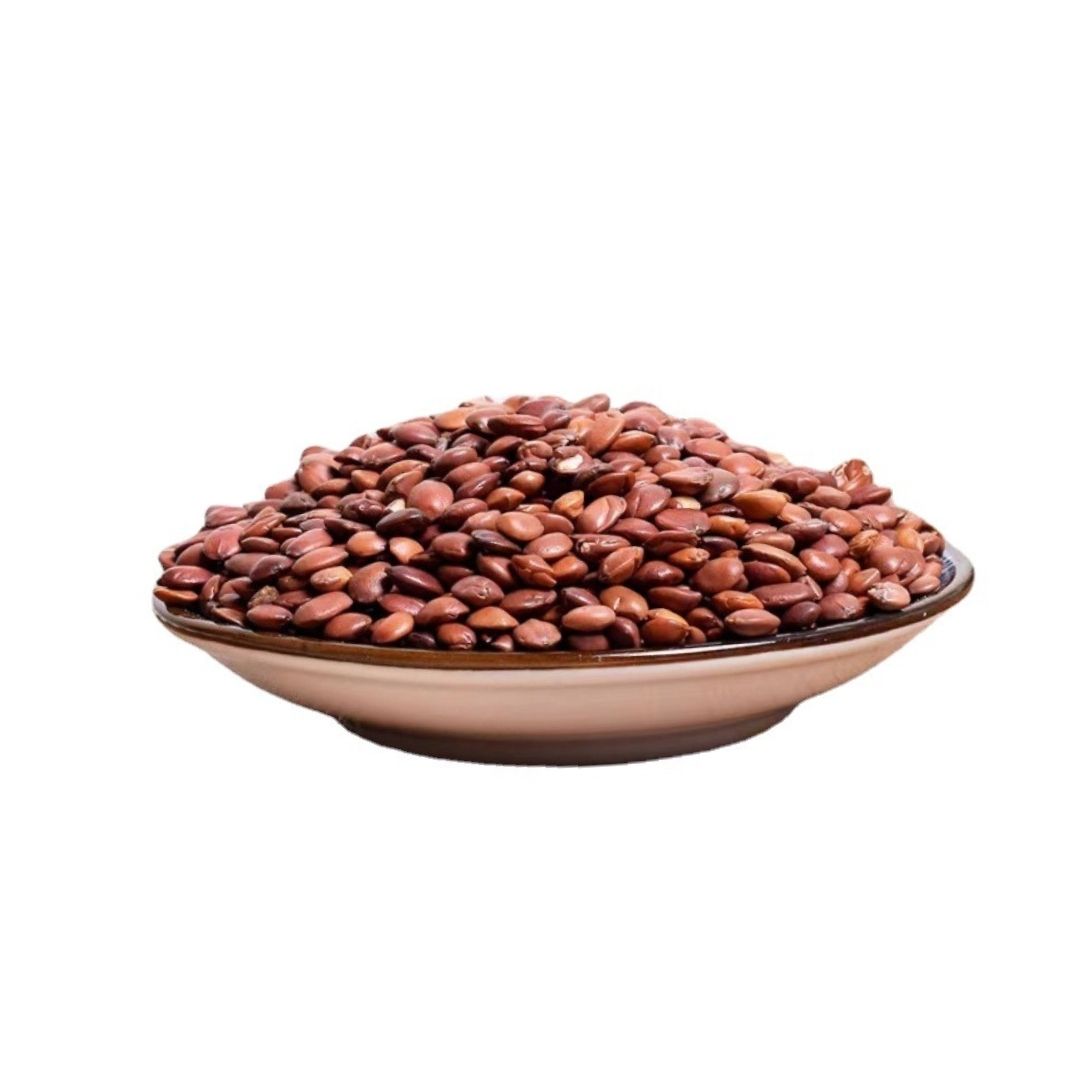


Product Introduction
Dian Zao Ren, also known as Sour Jujube Seed from Yunnan, comes from the plant Ziziphus mauritiana. The herb is known for its calming properties, making it a common ingredient in traditional Chinese medicine formulas aimed at improving sleep quality and reducing anxiety. It is primarily used to nourish the heart and liver, calm the spirit, and inhibit sweating.
Main Active Ingredients
Dian Zao Ren contains a variety of active components, including saponins, such as jujubosides A and B, which are believed to contribute to its sedative effects. Flavonoids, known for their antioxidant properties, are also present, along with fatty oils that provide nutritional support. These compounds work synergistically to produce the herb's therapeutic effects, addressing both physical and emotional well-being.
Product Application Scenarios, Usage, and Dosage
In traditional Chinese medicine, Dian Zao Ren is frequently prescribed for individuals experiencing insomnia, restlessness, or excessive sweating due to deficiency. It is often used in formulas designed to nourish heart yin and calm the spirit. The typical dosage is 9-15 grams, usually decocted in water for oral administration. It can also be found in patent medicines and herbal supplements targeting sleep and anxiety issues.
Introduction to the Source Plant, Distribution, and Growth Environment
Ziziphus mauritiana, the source plant of Dian Zao Ren, is a tropical fruit tree belonging to the family Rhamnaceae. It is native to parts of Africa and Asia, including Yunnan province in China, where it is cultivated for both its fruit and medicinal seeds. The tree thrives in warm, arid climates with well-drained soil. It is adaptable and can grow in various soil types, making it a relatively easy plant to cultivate.
Harvesting, Processing, and Storage
The fruits of Ziziphus mauritiana are typically harvested when ripe, usually in the late autumn. After harvesting, the seeds are extracted from the fruits, cleaned, and dried. Processing methods may include stir-frying to enhance their medicinal properties. Proper storage is essential, and the dried seeds should be kept in a cool, dry place, away from direct sunlight and moisture, to maintain their quality and efficacy.
Citations
- Chen, J. K., & Chen, T. T. (2004). Chinese Medical Herbology and Pharmacology. Art of Medicine Press.
- Bensky, D., Clavey, S., & Stöger, E. (2004). Chinese Herbal Medicine: Materia Medica, 3rd Edition. Eastland Press.
- 中华人民共和国药典 (Pharmacopoeia of the People's Republic of China). (2020 Edition). 中国医药科技出版社.
Mia Wu

Hi, I’m Mia Wu! I love helping customers discover the best natural ingredients for their products. With a passion for herbs, spices, and fungi, I work to make sure you get only the finest raw materials. Let's grow together! 🌱✨







