Product Introduction
Devil's claw, scientifically known as Harpagophytum procumbens, is a plant native to Southern Africa, particularly the Kalahari Desert. It has a long history of traditional use among indigenous populations for its potential medicinal properties, particularly in addressing joint discomfort and supporting overall mobility. The name "devil's claw" comes from the appearance of its fruit, which is covered in hook-like structures that resemble claws.
Main Active Ingredients
The primary active components in devil's claw are iridoid glycosides, most notably harpagoside. Harpagoside is believed to be responsible for many of the herb's beneficial effects. Other significant compounds found in devil's claw include harpagide and beta-sitosterol. These compounds may work synergistically to produce the observed effects.
Product Application Scenarios, Usage, and Dosage
Devil's claw is often used to support joint health, reduce mild joint pain, and improve flexibility. It can be found in various forms, including capsules, tablets, liquid extracts, and topical creams. The appropriate dosage can vary depending on the specific product and the individual's needs, and it is often recommended to follow the guidelines provided by a healthcare professional or the product label. Typical dosages of harpagoside often range from 50 to 100 mg per day, extracted from devil's claw supplements.
Introduction to the Source Plant, Distribution, and Growth Environment
Harpagophytum procumbens is a perennial plant that thrives in the arid conditions of Southern Africa. It is primarily found in Namibia, Botswana, and South Africa. The plant features sprawling vines and distinctive hooked fruits, enabling seed dispersal by attaching to animals. The plant prefers sandy soils and requires ample sunlight to flourish.
Harvesting, Processing, and Storage
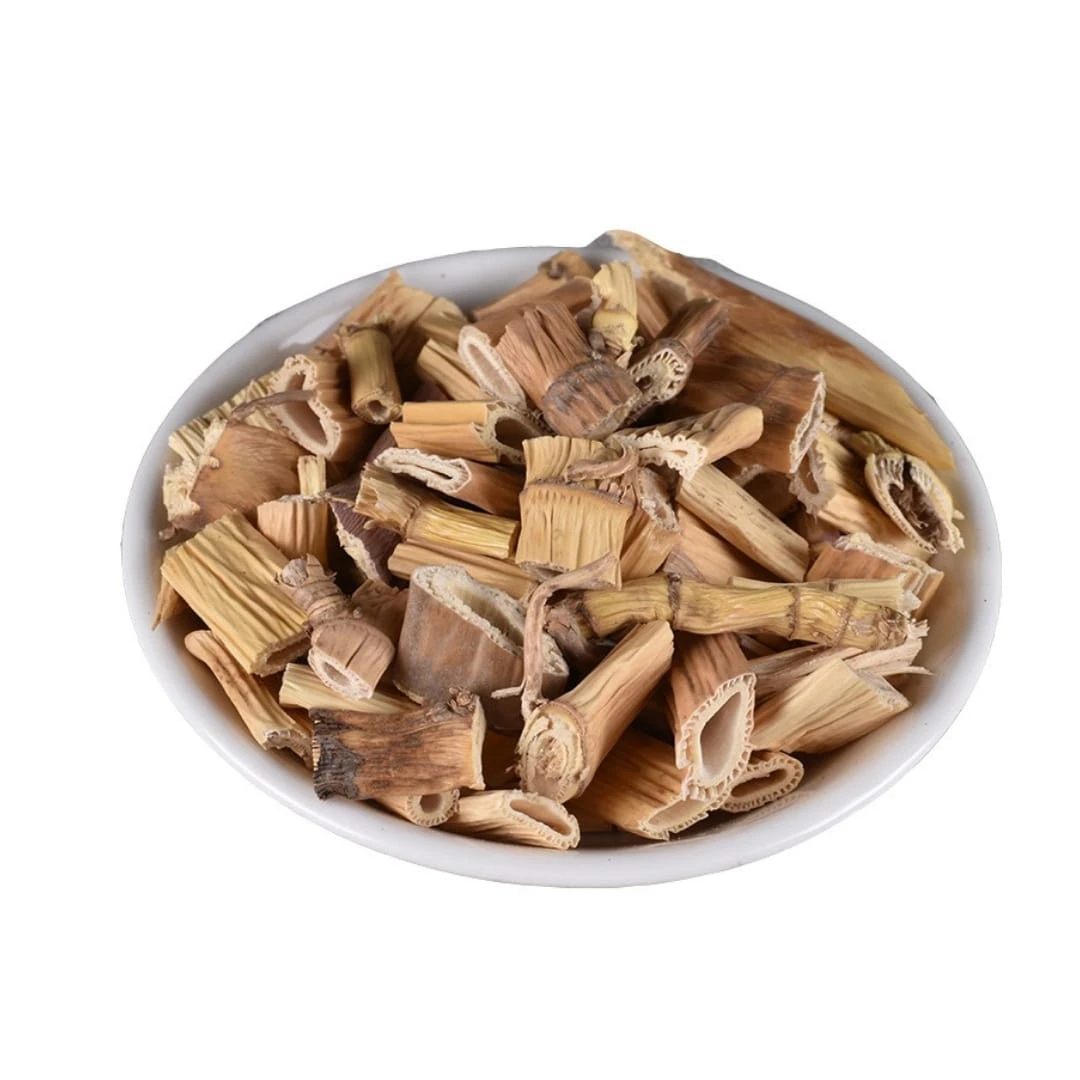
The roots and tubers of devil's claw are typically harvested for medicinal purposes. Harvesting usually occurs after the rainy season when the plant's active compounds are at their peak concentration. After harvesting, the roots are sliced, dried, and then processed into various forms for consumption. It is crucial to store devil's claw products in a cool, dry place, away from direct light and moisture, to preserve their potency, and should be kept out of reach of children.
Citations
- Buttler, M., & Dawson, J. (2003). Devil's claw (Harpagophytum procumbens): A review. Journal of Herbal Pharmacotherapy, 3(1), 47-62.
- Chrubasik, S., Thanner, J., Kunzel, O., & Conradt, C. (2003). The evidence for clinical efficacy of Harpagophytum procumbens. Phytomedicine, 10(1), 1-10.
- Laekeman, G. M., Raskin, I., & Totté, J. (1999). Potential anti-inflammatory activity of harpagoside. Planta Medica, 65(04), 381-383.
Mia Wu

Hi, I’m Mia Wu! I love helping customers discover the best natural ingredients for their products. With a passion for herbs, spices, and fungi, I work to make sure you get only the finest raw materials. Let's grow together! 🌱✨