

Product Introduction
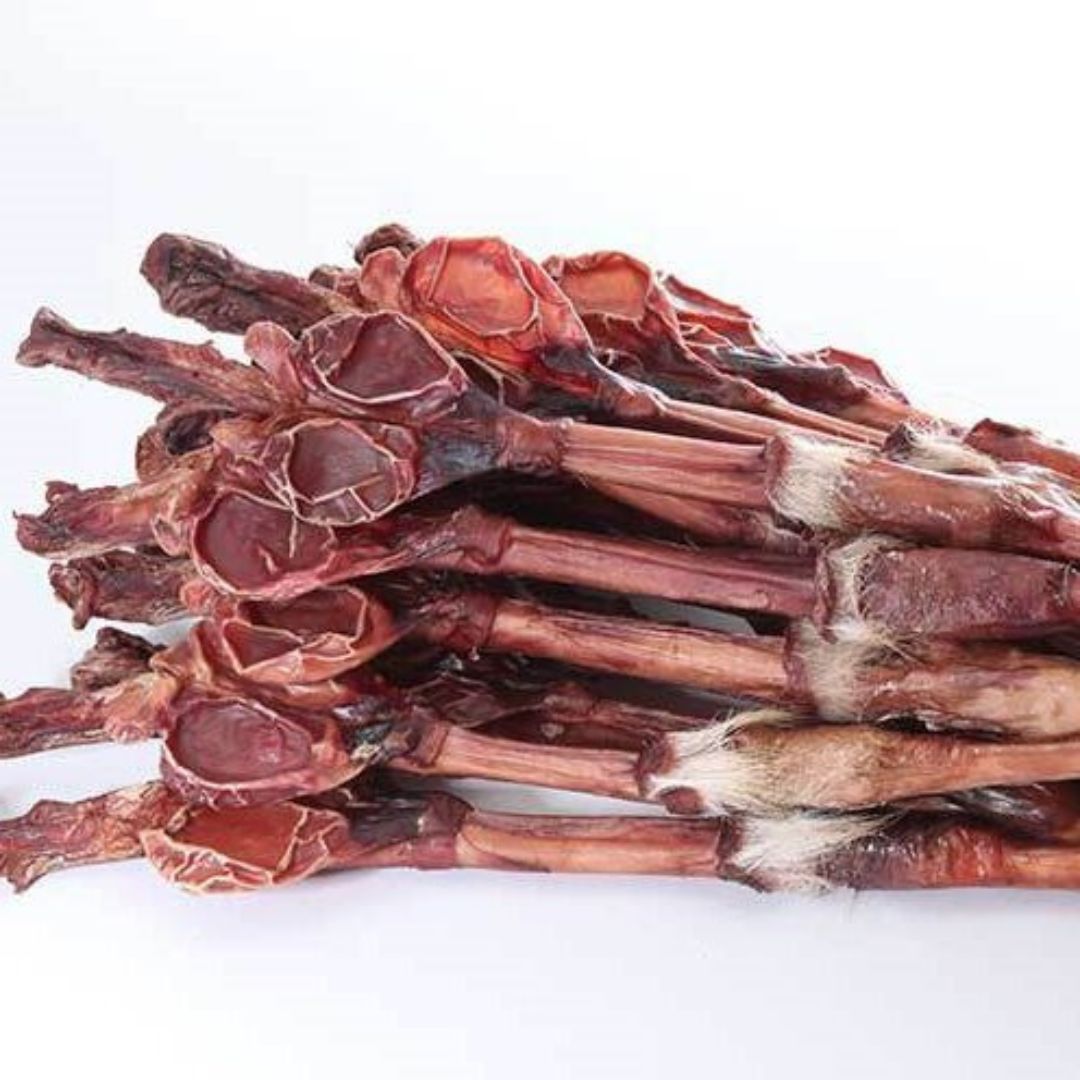
Deer whip, also known as deer penis, is a traditional Chinese medicine derived from the dried penis and testes of male deer, typically sourced from species like the sika deer ( Cervus nippon ) or red deer ( Cervus elaphus ). It is considered a valuable ingredient in traditional Chinese medicine (TCM) due to its purported health benefits and is often used to address various health issues related to kidney Yang deficiency.
Main Active Ingredients
The main active ingredients in deer whip include proteins, peptides, amino acids, vitamins, and minerals. These components are believed to contribute to its therapeutic effects, such as tonifying kidney Yang and replenishing essence. The specific composition can vary based on the deer species, diet, and processing methods.
Product Application Scenarios, Usage, and Dosage
Deer whip is commonly used in TCM to address conditions such as impotence, premature ejaculation, soreness of the lower back and knees, and infertility. It is often prepared in various forms, including soups, medicinal wines, and powdered extracts. The typical dosage varies based on the preparation and individual health needs but generally ranges from 3 to 9 grams when used in decoctions. Consultation with a qualified TCM practitioner is essential before using deer whip to determine the appropriate dosage and ensure its suitability for individual health conditions.
Introduction to the Source Plant, Distribution, and Growth Environment
Deer whip is primarily sourced from sika deer and red deer. Sika deer are native to East Asia, including regions of China, Japan, Korea, and Russia. Red deer have a wider distribution, found across Europe, Asia, and North America. These deer species typically inhabit forests, grasslands, and mountainous regions. They thrive in environments that provide ample vegetation for grazing and browsing. Deer farms have also become common for the purpose of harvesting deer products, including deer whip, under controlled conditions.
Harvesting, Processing, and Storage
The harvesting of deer whip involves collecting the penis and testes from male deer, typically after the animal has been slaughtered for other purposes, such as venison production. The harvested organs are then cleaned, dried, and processed to remove any impurities. The drying process often involves air-drying or the use of low-temperature ovens to preserve the active ingredients. Proper storage is crucial to maintain the quality and efficacy of deer whip. It should be stored in a cool, dry place, away from direct sunlight and moisture, to prevent spoilage and degradation of its active components.
Citations
- 中华本草编委会. (1999). 中华本草 (Vol. 3). 上海科学技术出版社.
- Bensky, D., Clavey, S., Stöger, E., & Gamble, A. (2004). Chinese herbal medicine: Materia Medica (3rd ed.). Eastland Press.
- 国家药典委员会. (2020). 中华人民共和国药典. 中国医药科技出版社.
Mia Wu

Hi, I’m Mia Wu! I love helping customers discover the best natural ingredients for their products. With a passion for herbs, spices, and fungi, I work to make sure you get only the finest raw materials. Let's grow together! 🌱✨