
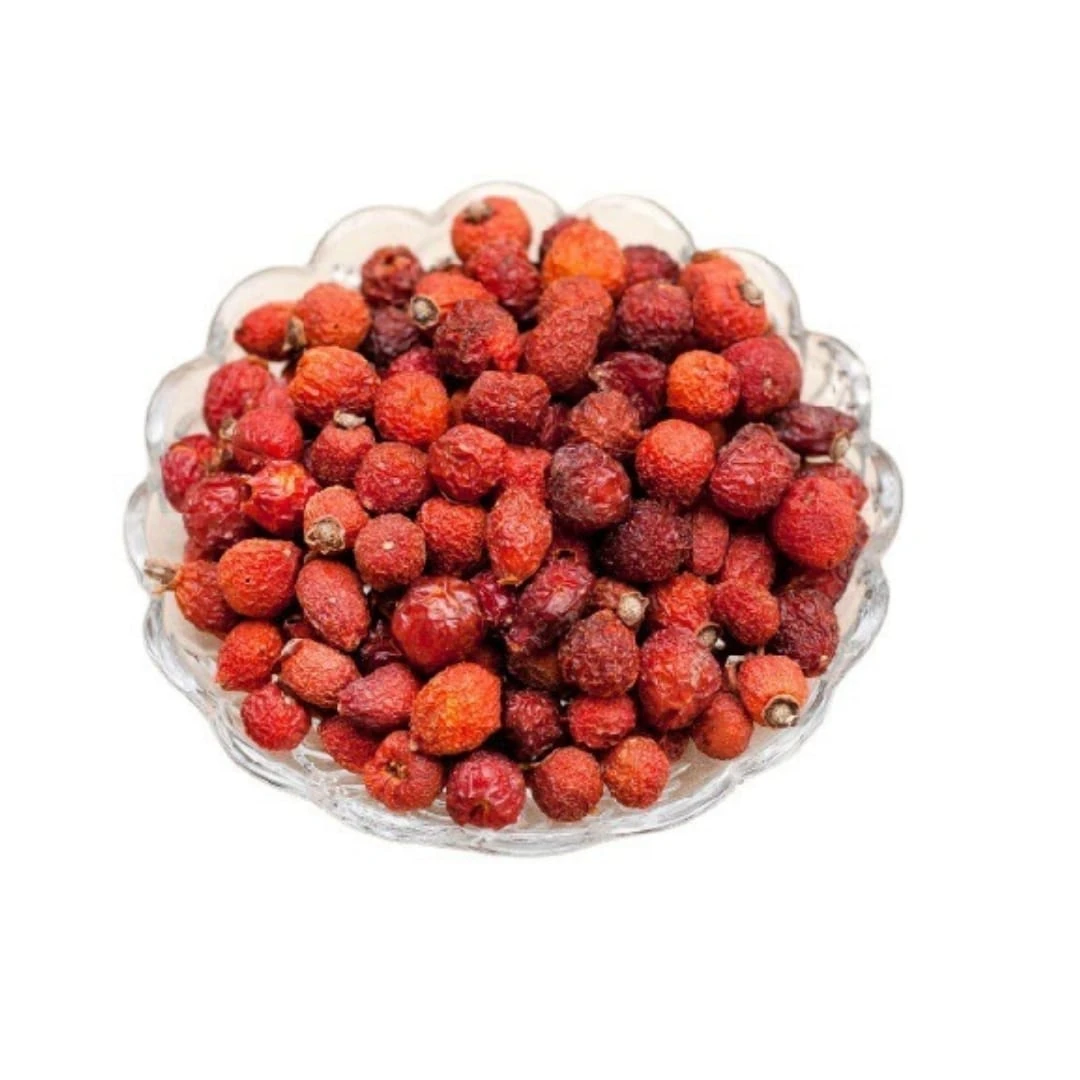


Product Introduction
Dahurian rose fruit, derived from the Rosa davurica plant, presents a traditional herbal remedy, with a history of use in Northeast Asia. Known for its vibrant red color and small size, this fruit holds significant nutritional and medicinal value. Its applications extend to supporting digestive health, improving blood circulation, and promoting skin vitality, supported by its rich composition of vitamins, antioxidants, and other beneficial compounds.
Main Active Ingredients
The efficacy of Dahurian rose fruit stems from its key active ingredients, including vitamins C and E, which function as potent antioxidants, protecting cells from damage caused by free radicals. Flavonoids further contribute to its antioxidant properties, alongside anti-inflammatory effects. Additionally, organic acids in the fruit may aid digestion and promote overall metabolic function. These components combine to make Dahurian rose fruit a valuable herbal supplement.
Product Application Scenarios, Usage, and Dosage
Dahurian rose fruit finds diverse applications, primarily centered on promoting digestive health, improving blood circulation, and enhancing skin condition. It can be consumed in several forms, including teas, decoctions, and herbal supplements. Typical usage involves incorporating dried fruit into teas or using it as part of a more complex herbal formula. Dosage generally ranges from 3 to 9 grams per day, adjusted based on individual needs and the guidance of a healthcare practitioner.
Introduction to the Source Plant, Distribution, and Growth Environment
The Rosa davurica, the source plant of Dahurian rose fruit, belongs to the Rosaceae family. This deciduous shrub typically grows in mountainous regions of Northeast Asia, including areas of China, Russia, and Korea. It thrives in well-drained soils and prefers sunny locations, often found along forest edges and on hillsides, adding to the biodiversity of these regions.
Harvesting, Processing, and Storage
Harvesting of Dahurian rose fruit typically occurs in the late summer or early autumn, when the fruits reach full maturity and exhibit their characteristic red color. After harvesting, the fruits are often dried to preserve their beneficial properties. The drying process usually involves sun-drying or using a low-heat drying oven, ensuring the fruit retains its nutrients. Proper storage requires keeping the dried fruit in a cool, dry place, shielded from direct sunlight and moisture, to maintain its quality and efficacy over time.
Citations:
- Flora of China Editorial Committee. (2011). Flora of China (Vol. 9). Beijing: Science Press; St. Louis: Missouri Botanical Garden Press.
- Lee, S. H., & Kim, K. H. (2012). Antioxidant and anti-inflammatory activities of Rosa davurica Pall. extracts. Journal of Medicinal Plants Research, 6(9), 1681-1686.
- Chinese Pharmacopoeia Commission. (2020). Pharmacopoeia of the People's Republic of China (Vol. 1). Beijing: China Medical Science and Technology Press.
Mia Wu

Hi, I’m Mia Wu! I love helping customers discover the best natural ingredients for their products. With a passion for herbs, spices, and fungi, I work to make sure you get only the finest raw materials. Let's grow together! 🌱✨







