

Product Introduction
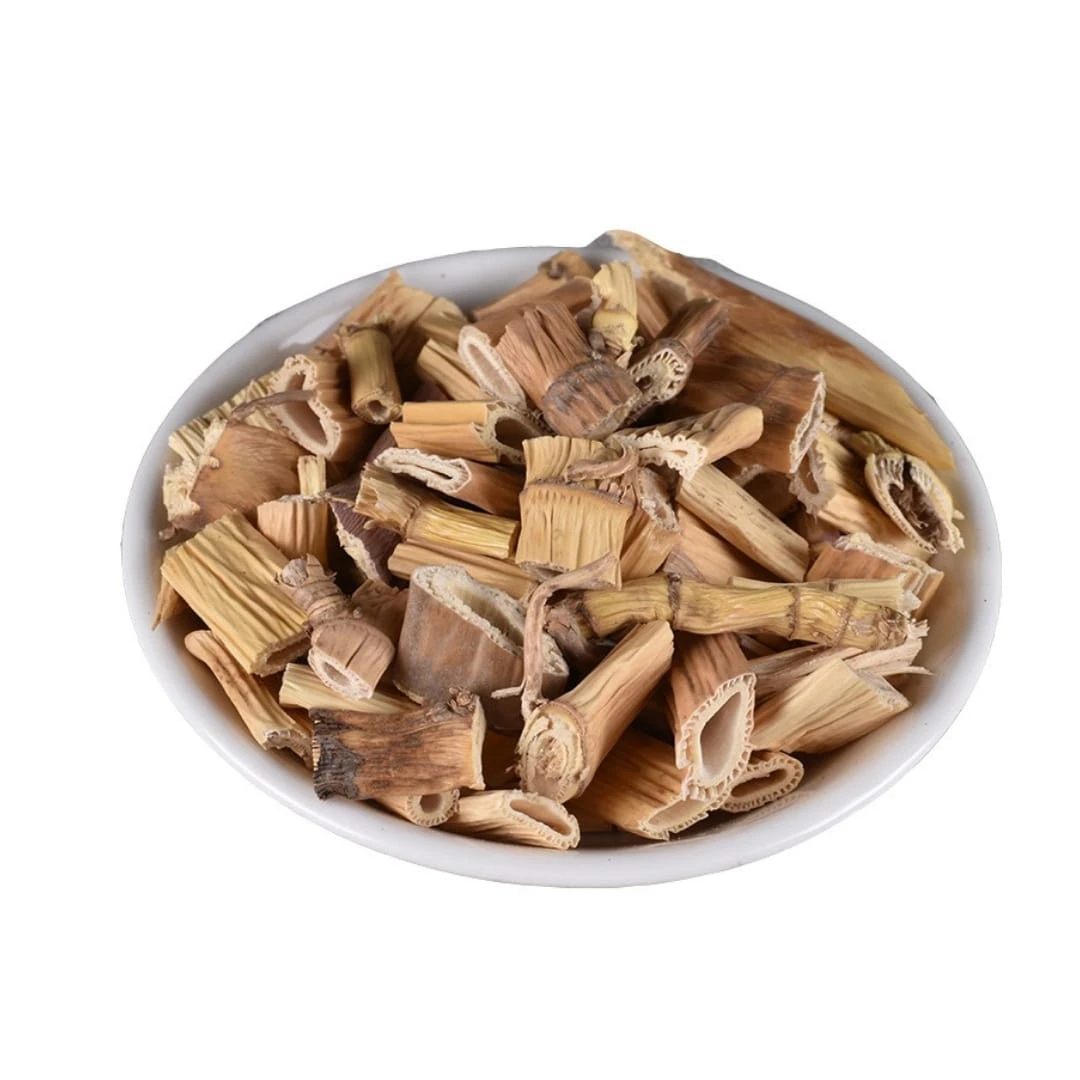
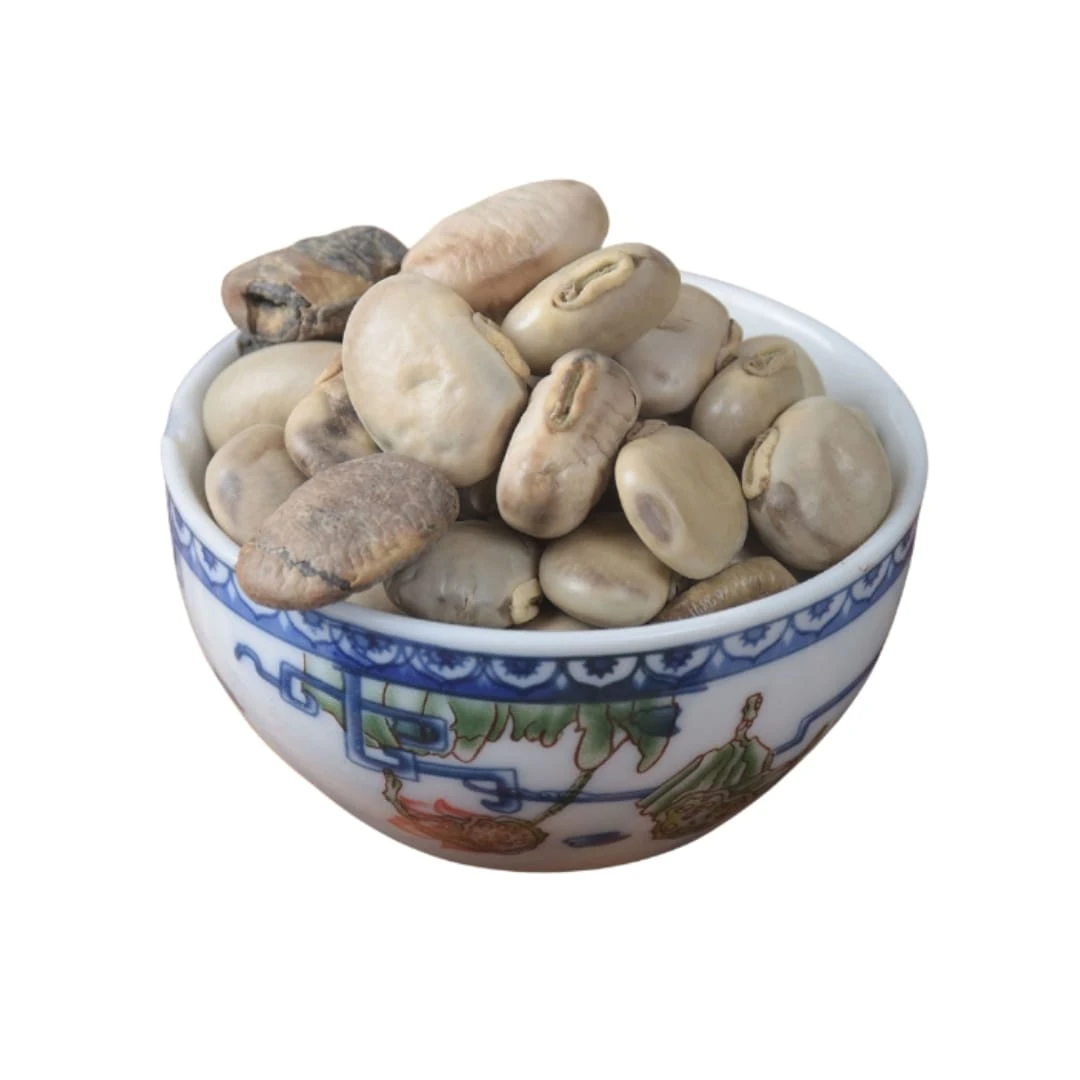
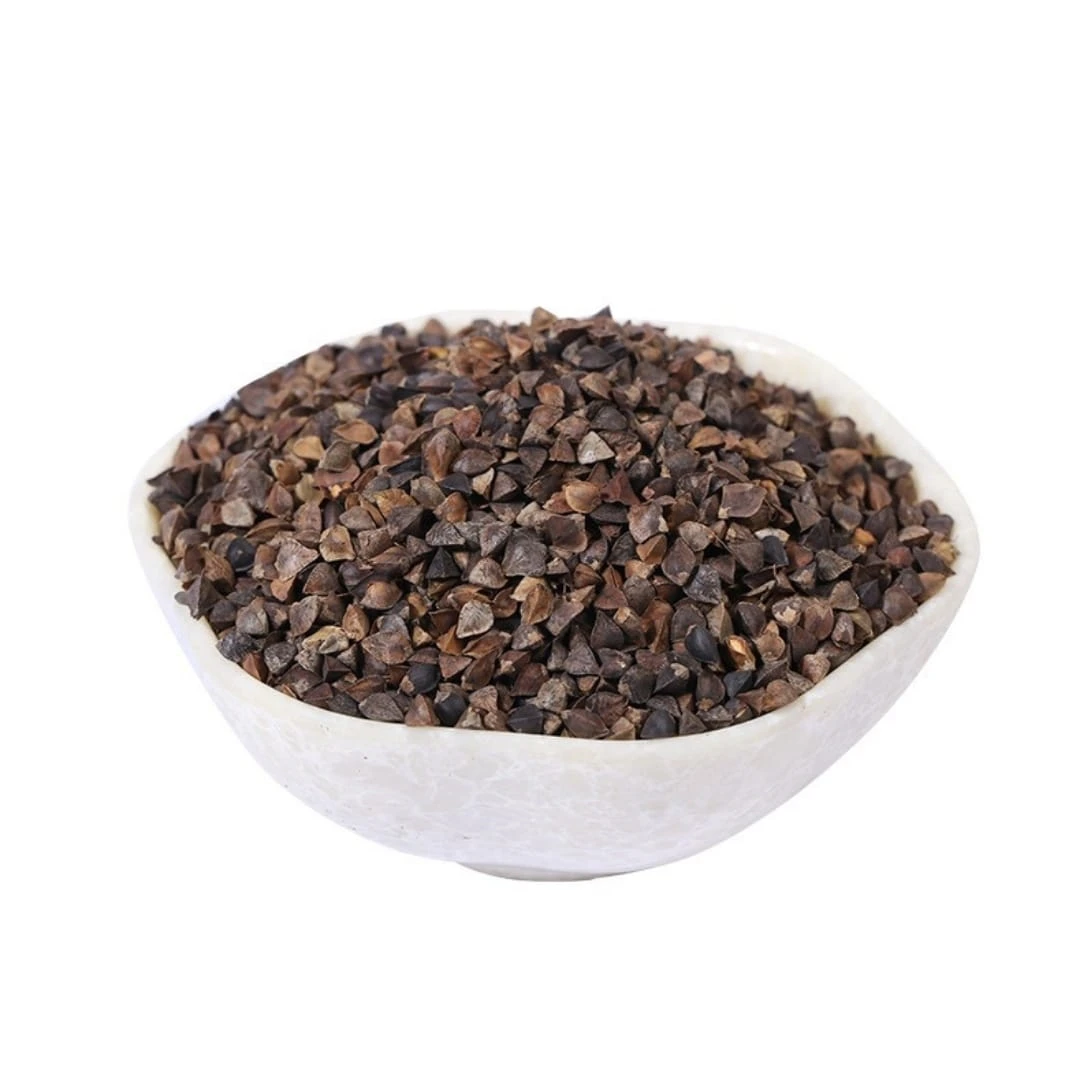
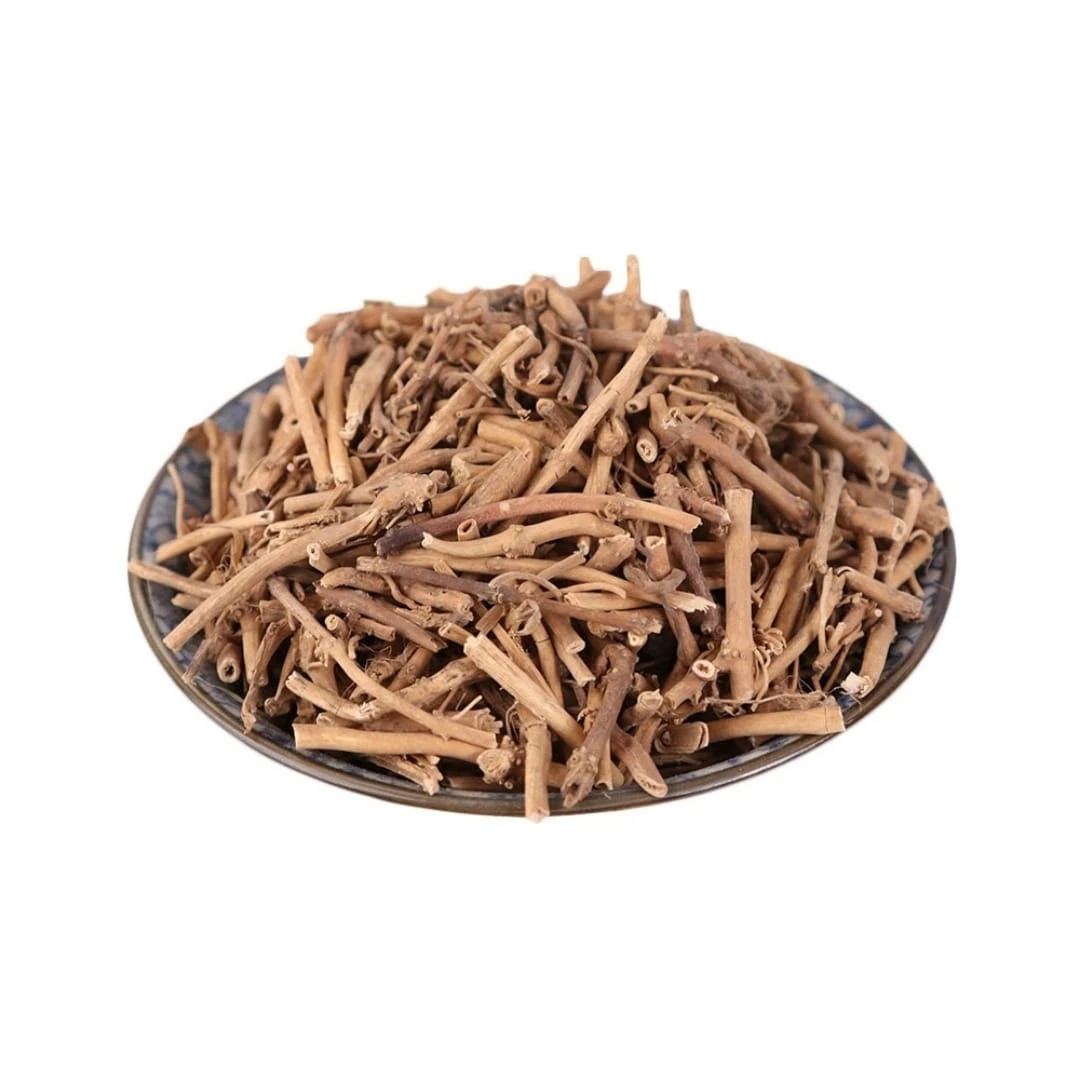
Cynanchum stauntonii, a plant used in traditional Chinese medicine, is valued for its medicinal properties. The herb is harvested and processed for use in various therapeutic applications. Its use is documented in traditional Chinese medicine texts, where it is prescribed by practitioners who are looking for natural remedies.
Main Active Ingredients
The main active ingredients in Cynanchum stauntonii include alkaloids, flavonoids, and glycosides. These compounds contribute to the herb's pharmacological effects, influencing its traditional uses. Scientific research has focused on identifying and isolating these compounds to understand their specific roles in the plant's medicinal properties.
Product Application Scenarios, Usage, and Dosage
In traditional Chinese medicine, Cynanchum stauntonii is used for several conditions. It is often prescribed to promote lactation in postpartum women and to alleviate symptoms of rheumatoid arthritis, reducing inflammation and pain. It is also used in the treatment of traumatic injuries, aiding in the healing process. The typical dosage of Cynanchum stauntonii is generally between 3 to 9 grams, typically administered in decoction form.
Introduction to the Source Plant, Distribution, and Growth Environment
Cynanchum stauntonii belongs to the family Apocynaceae. The plant features slender, twining stems and opposite, ovate leaves, and it is found in various regions of China. It thrives in diverse environments, including hillsides and forest edges. Favorable conditions for growth include adequate sunlight, moderate moisture, and well-drained soil.
Harvesting, Processing, and Storage
The harvesting of Cynanchum stauntonii typically occurs in the autumn. The entire plant is collected, then cleaned and dried, usually under the sun or in a well-ventilated area. After drying, it is cut into sections for storage and use. For optimal preservation, the dried herb should be stored in a cool, dry place, protected from light and moisture, to maintain its quality and efficacy.
Citations:
- Chinese Materia Medica, State Drug Administration of Traditional Chinese Medicine. Shanghai Science and Technology Press.
- Flora of China Editorial Committee. Flora of China. Beijing: Science Press.
Mia Wu

Hi, I’m Mia Wu! I love helping customers discover the best natural ingredients for their products. With a passion for herbs, spices, and fungi, I work to make sure you get only the finest raw materials. Let's grow together! 🌱✨