

Product Introduction
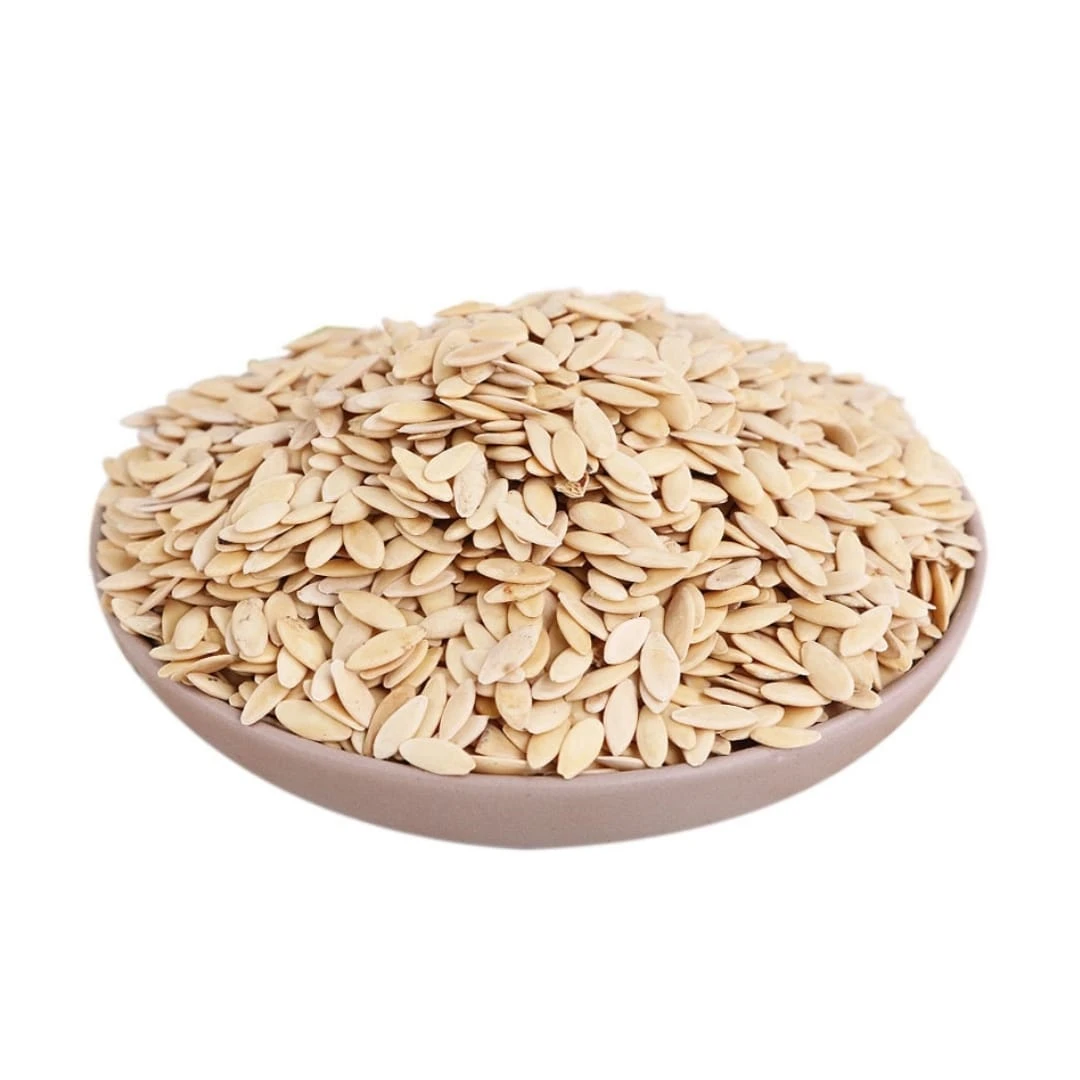
Cucumber seed, derived from Cucumis sativus, has a history of use in various traditional medicine systems. It is valued for its potential health benefits, and its use is deeply rooted in traditional practices. The seed contains multiple components contributing to its diverse applications.
Main Active Ingredients
The active components found in cucumber seed encompass a range of beneficial nutrients. Fatty acids are abundant, and vitamins such as vitamin E are present, contributing to its antioxidant properties. Essential minerals play a crucial role in supporting overall health. These main ingredients give rise to the seed's recognized beneficial effects.
Product Application Scenarios, Usage, and Dosage
In traditional medicine, cucumber seed serves multiple purposes. It is often used to promote urination, addressing conditions like edema. Additionally, it may help clear heat, potentially alleviating symptoms associated with fever or inflammation. Dosage typically depends on the specific application and the individual's condition, so it is essential to consult with a healthcare professional for proper guidance.
Introduction to the Source Plant, Distribution, and Growth Environment
Cucumis sativus, commonly known as the cucumber plant, is widely cultivated worldwide. Originating in South Asia, it has since spread to numerous regions with warm climates. The plant thrives in well-drained soil and ample sunlight. Its adaptability has made it a staple crop in many countries. The cucumber plant is commonly cultivated in gardens and agricultural settings alike, and this widespread cultivation allows for easy access to its valuable seeds.
Harvesting, Processing, and Storage
The harvesting of cucumber seeds involves extracting them from mature cucumber fruits. Once the cucumbers are fully ripe, their seeds are carefully removed, cleaned, and dried. Proper drying is crucial to prevent mold growth and ensure long-term viability. The seeds should then be stored in airtight containers in a cool, dry environment, away from direct sunlight, to preserve their quality and potency.
Citations
- Botanical Society of America. Cucumis sativus (cucumber)
- Duke, J. A. (2002). Handbook of medicinal herbs. CRC press.
- National Center for Complementary and Integrative Health. (n.d.). Herbs at a glance
Mia Wu

Hi, I’m Mia Wu! I love helping customers discover the best natural ingredients for their products. With a passion for herbs, spices, and fungi, I work to make sure you get only the finest raw materials. Let's grow together! 🌱✨