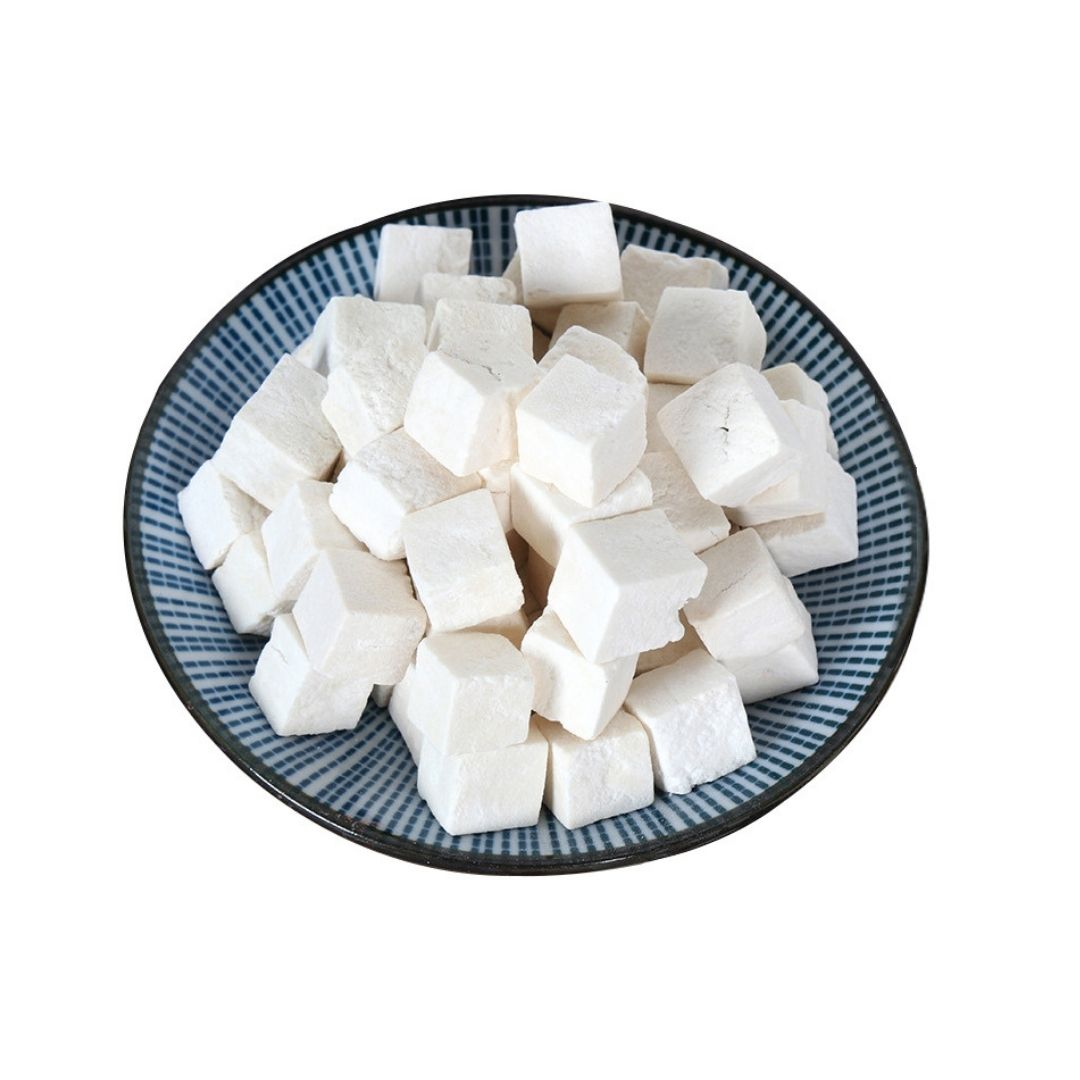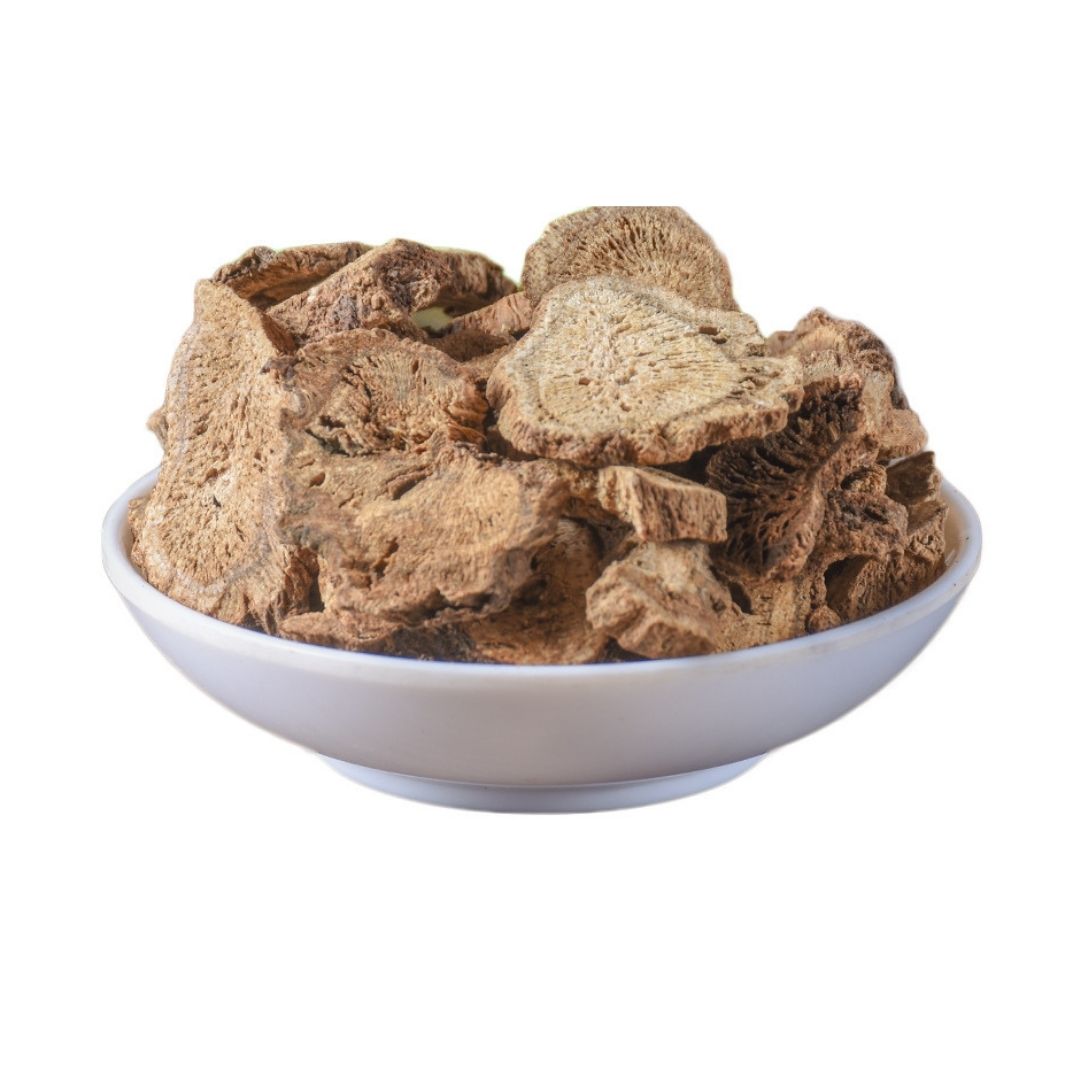


Product Introduction
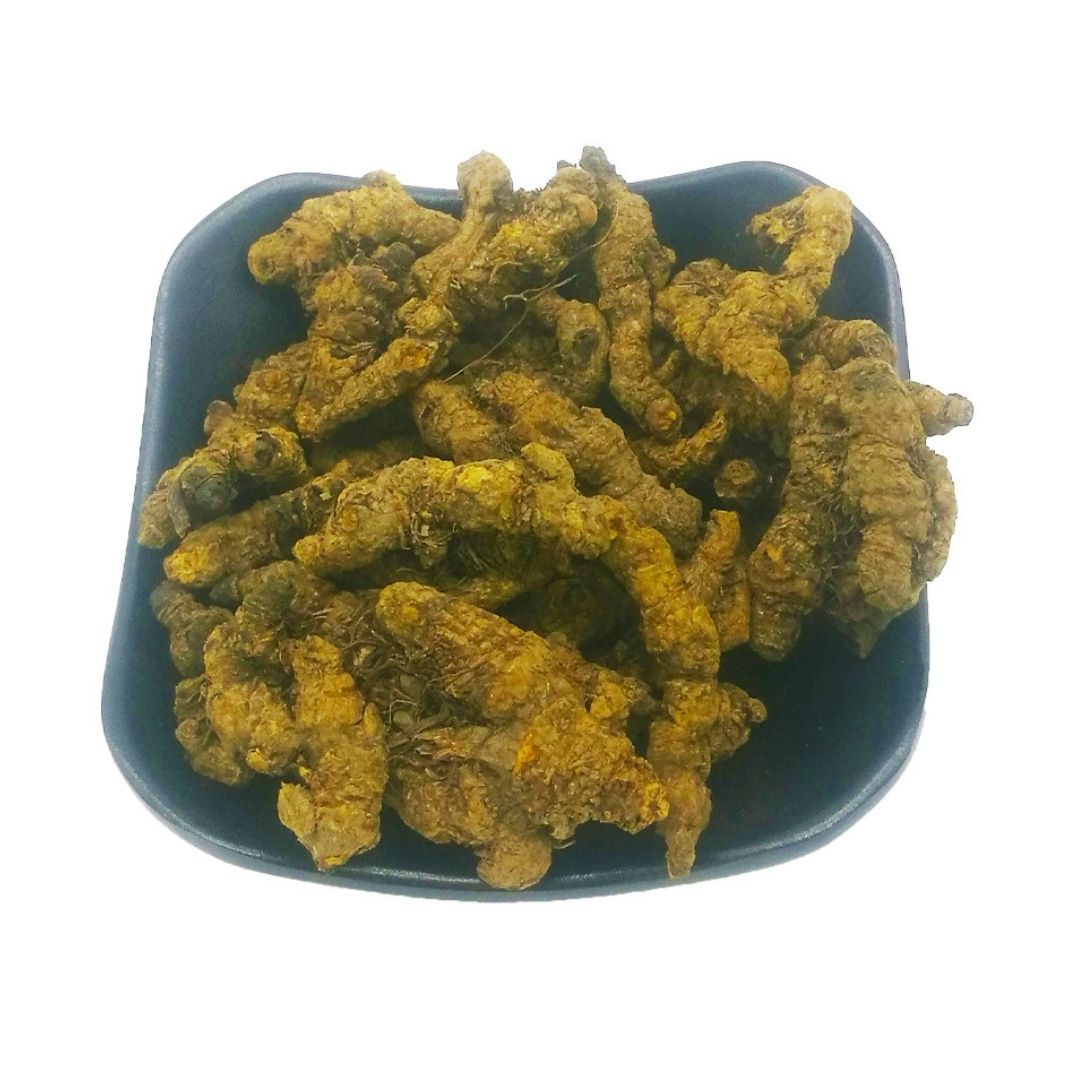
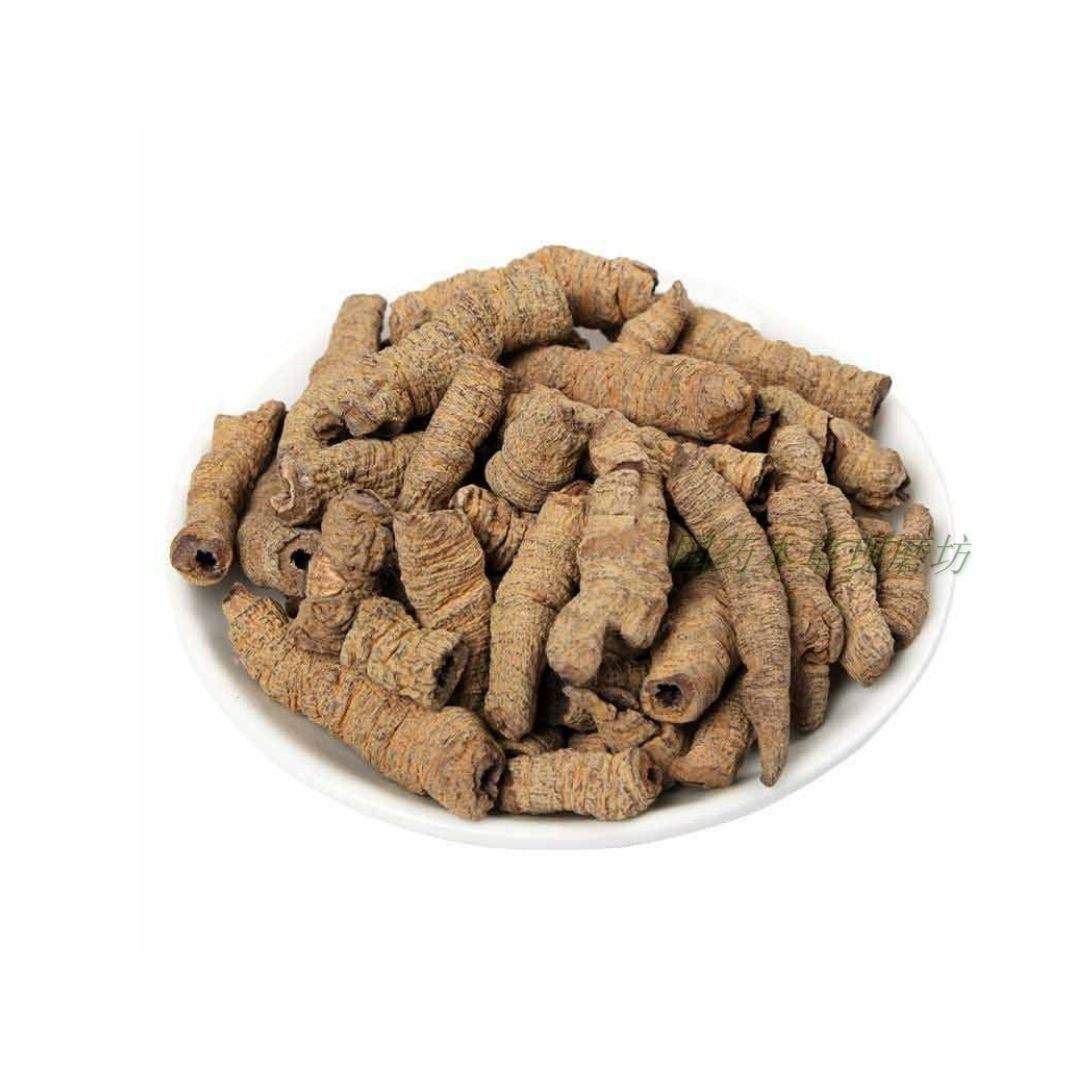
Costus Root, known in traditional Chinese medicine as Qing Mu Xiang, comes from the dried roots of the Saussurea costus plant. This herb is valued for its distinctive aroma and therapeutic properties. Traditionally, Costus Root's primary uses revolve around promoting the circulation of qi, relieving pain, and addressing digestive issues. It is included in various herbal formulas to harmonize its effects with other herbs, addressing complex health conditions. Careful selection and processing of the root are essential to maintain its quality and efficacy, ensuring it meets the standards required for medicinal use.
Main Active Ingredients
The main active ingredients within Costus Root belong to the family of sesquiterpene lactones. These compounds are believed to contribute significantly to the herb's therapeutic effects. Sesquiterpene lactones, known for their anti-inflammatory and analgesic properties, may play a key role in the management of pain and inflammation. Research continues to explore the specific mechanisms through which these compounds exert their beneficial effects, aiming to fully understand their potential in treating various ailments. The quality and concentration of these active components can vary, depending on the source and processing methods applied to the Costus Root.
Product Application Scenarios, Usage, and Dosage
Costus Root finds application in diverse scenarios, primarily targeting digestive health and pain relief. It is often used to address conditions such as abdominal distension, diarrhea, and dysentery, where its ability to regulate qi can help restore normal function. Additionally, Costus Root is employed in the management of pain, particularly in cases of chest and abdominal discomfort. In traditional usage, Costus Root is often prescribed in conjunction with other herbs to enhance its effects and address the root causes of disease.
The typical dosage of Costus Root ranges from 3 to 9 grams per day, usually administered in decoction form. For external use, it can be ground into a powder and applied topically to alleviate pain and inflammation. However, it is crucial to consult with a qualified healthcare professional before using Costus Root, especially for pregnant women or individuals with pre-existing medical conditions, to ensure safe and appropriate use.
Introduction to the Source Plant, Distribution, and Growth Environment
Saussurea costus, the source plant of Costus Root, is a perennial herb belonging to the Asteraceae family. This plant is native to the mountainous regions of the Himalayas, particularly in areas of Kashmir, India, and Pakistan. Saussurea costus thrives in high-altitude environments, typically found at elevations between 2,500 and 4,000 meters.
The plant prefers moist, well-drained soils and can often be found growing in alpine meadows and along stream banks. The plant is characterized by its large, coarse leaves and tall stems, producing distinctive thistle-like flower heads. Due to over harvesting and habitat destruction, Saussurea costus has become an endangered species, which raises concerns about its sustainable sourcing, and emphasizes the need for conservation efforts.
Harvesting, Processing, and Storage
The harvesting of Costus Root typically occurs in the autumn, when the roots are at their peak concentration of active compounds. Skilled harvesters carefully dig up the roots, ensuring minimal damage to the surrounding environment. After harvesting, the roots are cleaned, removing any dirt or debris.
The roots are then dried, either naturally in the sun or using mechanical dryers, to reduce their moisture content and prevent spoilage. Proper drying is essential to maintain the quality and efficacy of the herb. Once dried, the Costus Roots are cut into smaller pieces or slices, facilitating their use in herbal formulations.
For optimal preservation, Costus Root should be stored in a cool, dry place, away from direct sunlight and moisture. Airtight containers are recommended to protect the herb from humidity and pests. Proper storage conditions are critical to maintaining the herb's potency and extending its shelf life.
Citations
https://www.ncbi.nlm.nih.gov/pmc/articles/PMC9324628/
https://pfaf.org/user/Plant.aspx?LatinName=Saussurea+costus
https://www.webmd.com/vitamins/ai/ingredientmono-827/costus
Mia Wu

Hi, I’m Mia Wu! I love helping customers discover the best natural ingredients for their products. With a passion for herbs, spices, and fungi, I work to make sure you get only the finest raw materials. Let's grow together! 🌱✨