

Product Introduction
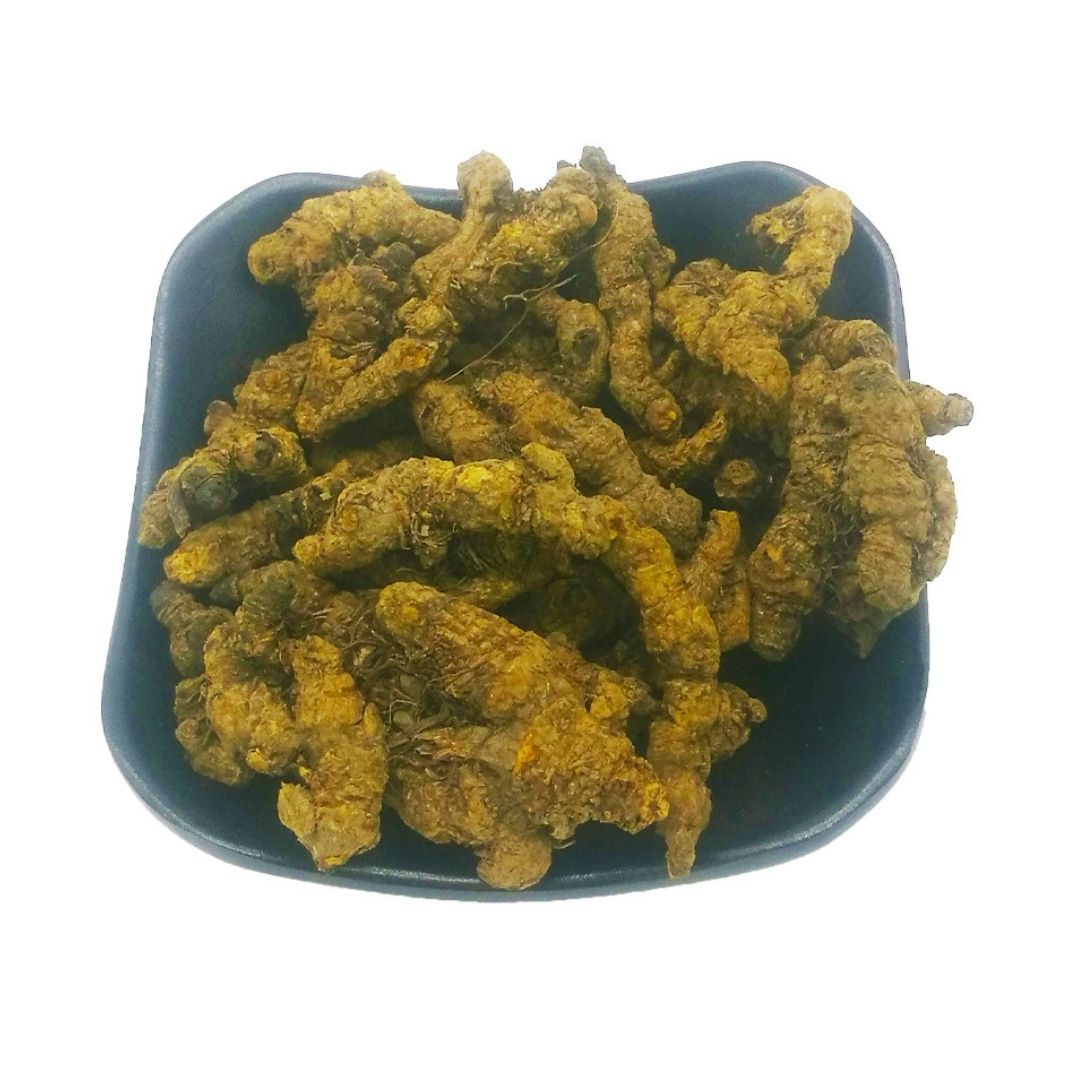
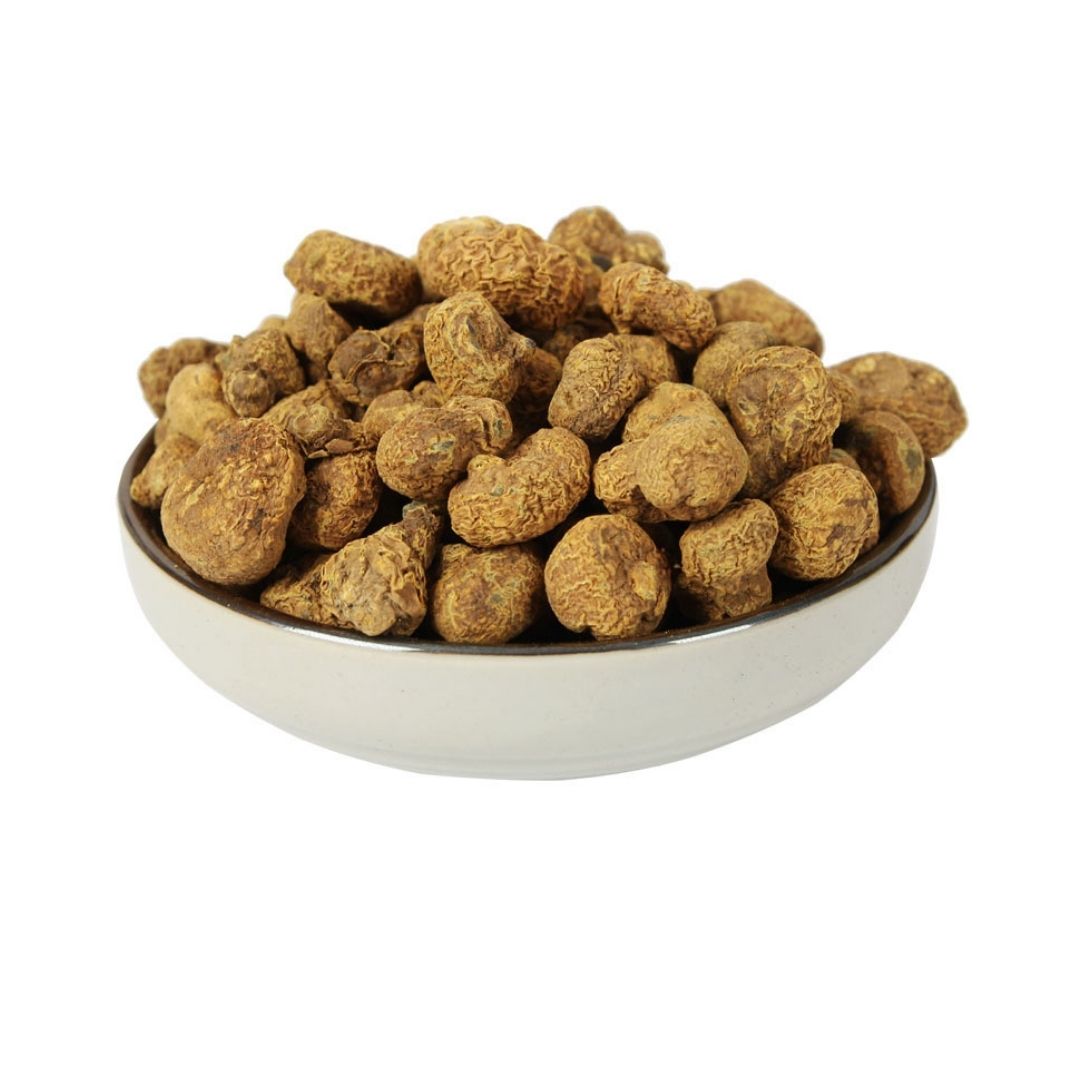
Corydalis Rhizoma, known as Yan Hu Suo, is a commonly used herb in traditional Chinese medicine. It is valued for its pain-relieving and qi-regulating properties, Corydalis Rhizoma has been used for centuries in various herbal formulations. The dried tuber is prepared and used to address a range of conditions related to pain and stagnation, making it important in traditional medical practices.
Main Active Ingredients
The primary active constituents of Corydalis Rhizoma are alkaloids. These alkaloids, including dehydrocorybulbine and tetrahydropalmatine, contribute to the herb's analgesic and sedative effects. Tetrahydropalmatine (THP) is particularly noted for its role in pain relief, and it acts on the central nervous system, modulating pain pathways. Protopine is another notable alkaloid present, which may contribute to the overall therapeutic profile of the herb.
Product Application Scenarios, Usage, and Dosage
Corydalis Rhizoma is frequently used to alleviate different types of pain, including headaches, menstrual pain, and abdominal discomfort. It is also employed to address pain resulting from traumatic injuries. The herb helps to promote blood circulation, which can reduce pain and swelling. Typically, Corydalis Rhizoma is administered in decoctions or herbal formulas, with dosages ranging from 3 to 10 grams daily. The dosage can vary based on the specific condition being treated and individual patient needs. The herb is often combined with other herbs to enhance its effects and address the underlying causes of the pain.
Introduction to the Source Plant, Distribution, and Growth Environment
The source plant, Corydalis yanhusuo, belongs to the Papaveraceae family. This plant is primarily found in the eastern and central regions of China. It grows in moist, shaded environments, commonly found in forests and along stream banks. The plant thrives in well-drained soils, benefiting from the cool, humid conditions of its native habitat.
Harvesting, Processing, and Storage
Corydalis Rhizoma is typically harvested in the late spring or early summer. The tubers are unearthed, cleaned, and then dried, often through sun-drying or using mechanical methods to reduce moisture content. After drying, the herb is processed to remove any remaining impurities and then sliced for use in herbal preparations. Proper storage is crucial to maintain its quality and potency, it should be stored in a dry, cool place, protected from light, to prevent the growth of mold and protect its medicinal properties.
Citations
- Liao, J. C., & Chen, C. F. (2014). Chemical and pharmacological studies of Corydalis species. Journal of Traditional and Complementary Medicine, 5(1), 5–10.
- Yue, K., Jiang, B., Fan, L., & Zhang, Z. (2018). The genus Corydalis: A comprehensive review of traditional uses, phytochemistry and pharmacology. Journal of Ethnopharmacology, 214, 285–325.
- He, D. Y., Zhao, Z. Z., Zhou, H., Zheng, Q., & Leung, P. C. (2011). Authentication of Rhizoma Corydalis species based on morphological and microscopic analysis. Journal of Integrative Medicine, 9(10), 1121–1129.
Mia Wu

Hi, I’m Mia Wu! I love helping customers discover the best natural ingredients for their products. With a passion for herbs, spices, and fungi, I work to make sure you get only the finest raw materials. Let's grow together! 🌱✨