
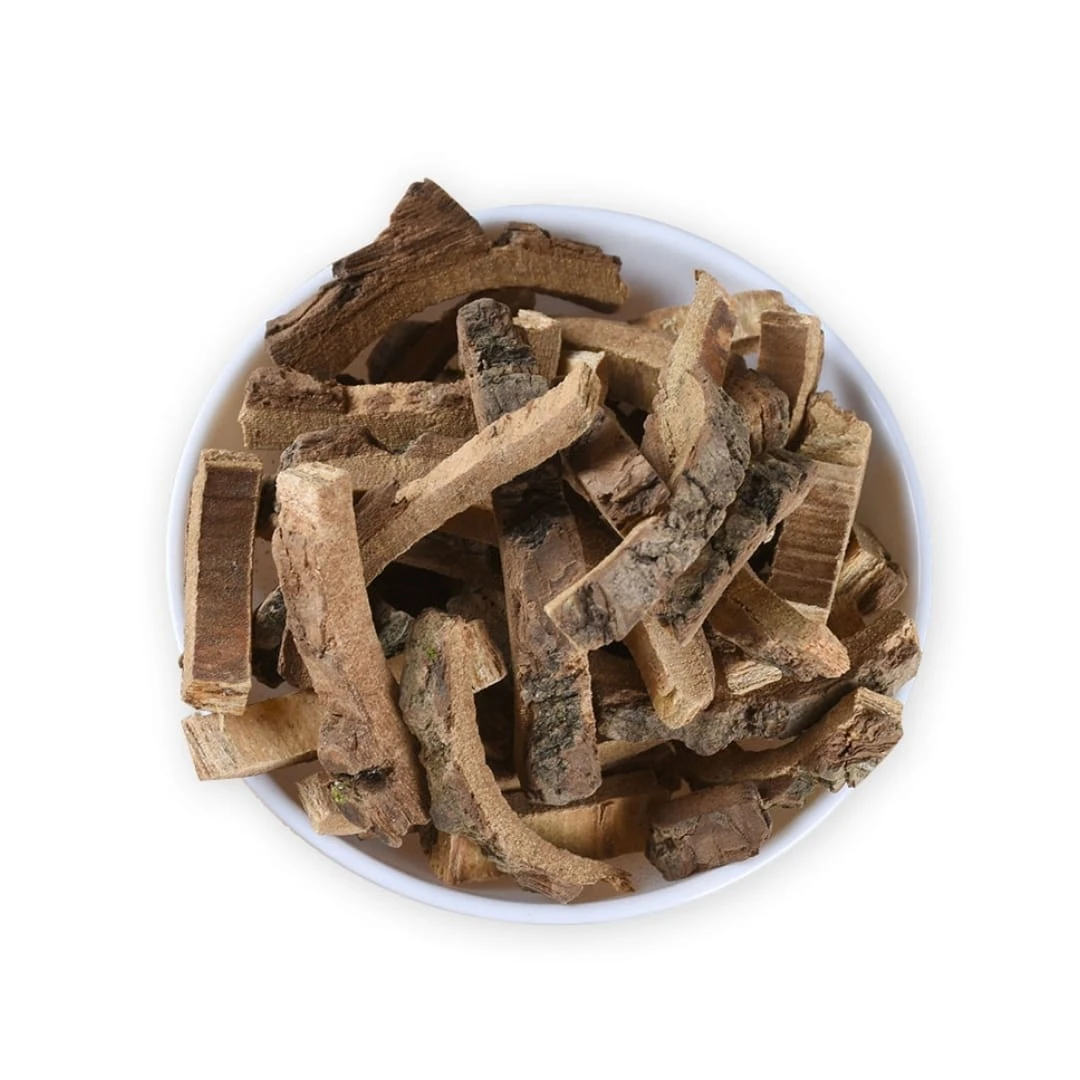


Product Introduction
Cortex Erythrinae, derived from the stem bark of Erythrina variegata, is a traditional Chinese medicine recognized for its therapeutic benefits. This herb is valued for its capacity to address a number of health conditions through its unique blend of chemical components and energetic properties. The use of Cortex Erythrinae dates back centuries, with records in classical texts detailing its applications.
Main Active Ingredients
The medicinal effects of Cortex Erythrinae can be attributed to its complex chemical composition. Key active components include alkaloids, such as erythraline and erysodine, which are known for their pharmacological activities. Flavonoids present in the herb contribute antioxidant effects, while triterpenoids add to its anti-inflammatory properties. These compounds work together to produce the observed therapeutic effects.
Product Application Scenarios, Usage, and Dosage
In traditional Chinese medicine, Cortex Erythrinae is frequently used to treat conditions related to wind and dampness. It is often prescribed for joint pain, muscle stiffness, and numbness issues. Clinically, it is applied in cases of lower back pain, arthritis, and skin conditions such as eczema. The typical dosage ranges from 3 to 9 grams, usually administered in decoction form. It can be used alone or in combination with other herbs to enhance its effects.
Introduction to the Source Plant, Distribution, and Growth Environment
Erythrina variegata, the source plant of Cortex Erythrinae, is a deciduous tree belonging to the Fabaceae family. It is native to tropical and subtropical regions, including southern China, Southeast Asia, and parts of Africa. The tree thrives in warm, humid climates and is often found in coastal areas, open woodlands, and cultivated lands. It prefers well-drained soil and plenty of sunlight, growing up to 20 meters in height.
Harvesting, Processing, and Storage
The stem bark is typically harvested in the spring and autumn. After harvesting, the outer bark is removed, and the inner bark is dried in the sun or using artificial methods. The dried Cortex Erythrinae is then cut into smaller pieces for easier use and storage. Proper storage is essential to maintain its quality and efficacy, kept in a cool, dry place, protected from moisture and light.
Citations:
- Chen, J. K., & Chen, T. T. (2004). Chinese Medical Herbology and Pharmacology. Art of Medicine Press.
- Bensky, D., Clavey, S., & Stöger, E. (2004). Chinese Herbal Medicine: Materia Medica. 3rd ed. Seattle, WA: Eastland Press.
- pharmacopoeia of the People’s Republic of China. 2020 edition. Beijing: China Medical Science and Technology Press.
Mia Wu

Hi, I’m Mia Wu! I love helping customers discover the best natural ingredients for their products. With a passion for herbs, spices, and fungi, I work to make sure you get only the finest raw materials. Let's grow together! 🌱✨







