

Product Introduction
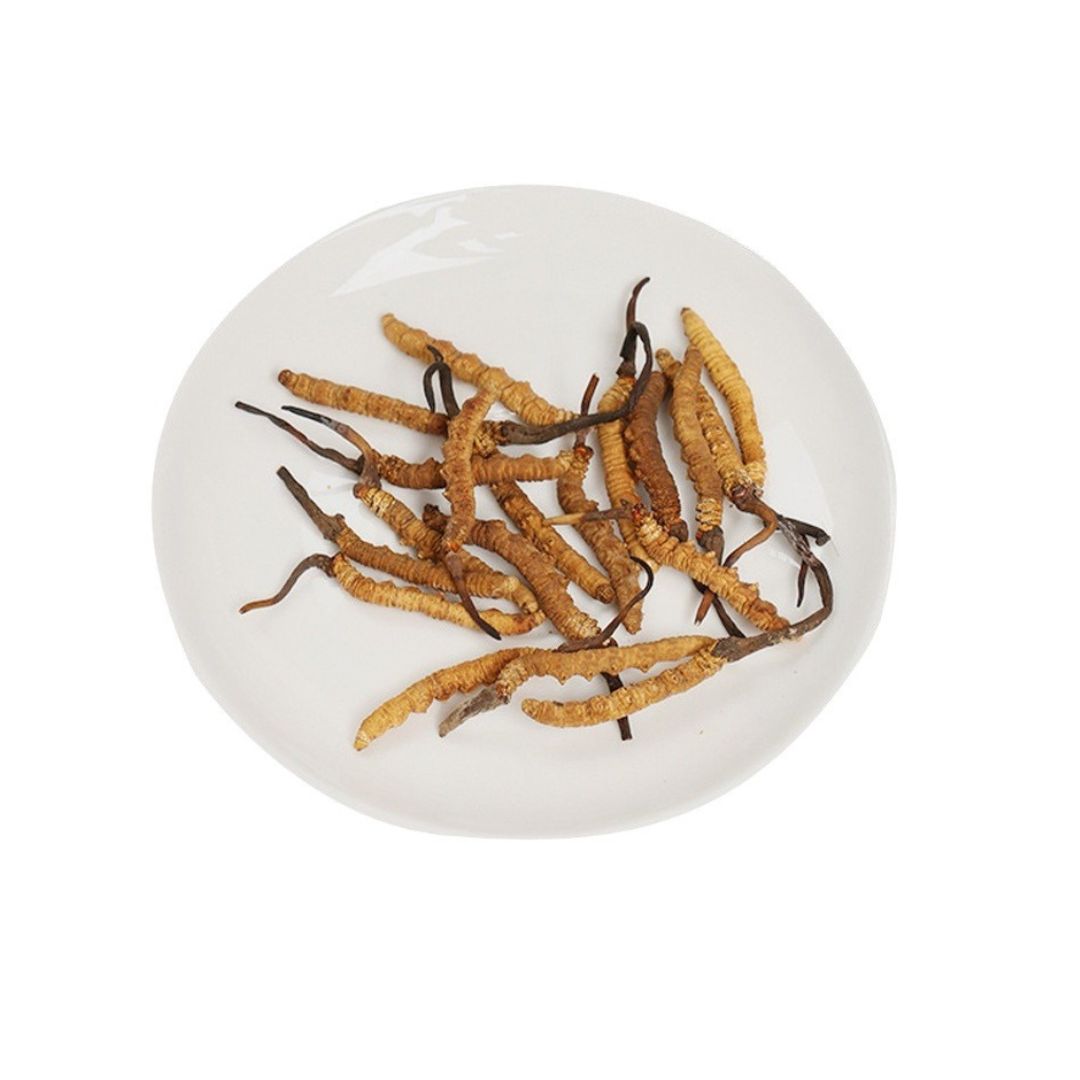
Cordyceps sinensis, a prized herb, represents a fusion of fungal and insect life. This unique entity is harvested from the high-altitude meadows of the Himalayas. Known locally as "Yartsa Gunbu," it holds a revered place in traditional medicine due to its purported health benefits. Cordyceps is not simply a single ingredient; it is a complex of the fungus Cordyceps and the larva of the ghost moth, creating a potent natural remedy.
Main Active Ingredients
The efficacy of Cordyceps sinensis is attributed to its diverse array of active compounds. Cordycepic acid, a primary component, is believed to support cardiovascular health. Cordycepin is another key ingredient studied for its potential role in cellular health and immune modulation. Polysaccharides found in Cordyceps may exhibit antioxidant and immunomodulating properties. Furthermore, it contains essential trace elements like zinc and selenium, crucial for various physiological functions.
Product Application Scenarios, Usage, and Dosage
Cordyceps sinensis is used in various applications, often focusing on enhancing vitality and supporting respiratory function. It is traditionally employed to address fatigue, weakness, and to improve athletic performance. Typical usage involves incorporating it into herbal formulations, teas, or dietary supplements. Dosages vary depending on the form and concentration, but generally, a daily intake ranges from 3 to 9 grams. It’s important to consult with a healthcare provider to determine the appropriate dosage based on individual health conditions and needs.
Introduction to the Source Plant, Distribution, and Growth Environment
Cordyceps sinensis thrives in the harsh environments of the Tibetan Plateau and other high-altitude regions of the Himalayas. The fungus infects the larvae of ghost moths (specifically species within the genus Thitarodes), growing inside the living insect before eventually killing and mummifying it. This process occurs during the cold winter months, with the fungal fruiting body emerging in the summer—hence the name "winter worm, summer grass." The unique climate and soil composition of these regions contribute to the herb's distinctive properties.
Harvesting, Processing, and Storage
The harvesting of Cordyceps sinensis is a labor-intensive process, typically undertaken by local communities during the short window of time when the fruiting body emerges. After collection, the Cordyceps undergoes cleaning and drying to preserve its beneficial compounds. Traditional methods involve sun-drying, while modern processes may utilize freeze-drying to maintain quality. Proper storage is crucial to prevent degradation; it should be kept in a cool, dry place protected from light and moisture. High-quality Cordyceps should exhibit a rich color and a firm texture indicating careful handling and preservation.
Citations
- Zhu, J. S., Halpern, G. M., & Jones, K. (1998). The scientific rediscovery of an ancient Chinese herbal medicine: Cordyceps sinensis: Part I. The Journal of Alternative and Complementary Medicine, 4(3), 289-303.
- Panda, A. K., & Swain, K. C. (2011). Traditional uses and medicinal potential of Cordyceps sinensis of Sikkim. Journal of Ayurveda and Integrative Medicine, 2(1), 9-13.
- Li, S. P., Yang, F. Q., Tsim, K. W., & Wong, Y. (2006). Quality control of Cordyceps sinensis, a valued traditional Chinese medicine. Journal of Pharmaceutical and Biomedical Analysis, 41(5), 1571-1584.
Mia Wu

Hi, I’m Mia Wu! I love helping customers discover the best natural ingredients for their products. With a passion for herbs, spices, and fungi, I work to make sure you get only the finest raw materials. Let's grow together! 🌱✨