

Product Introduction
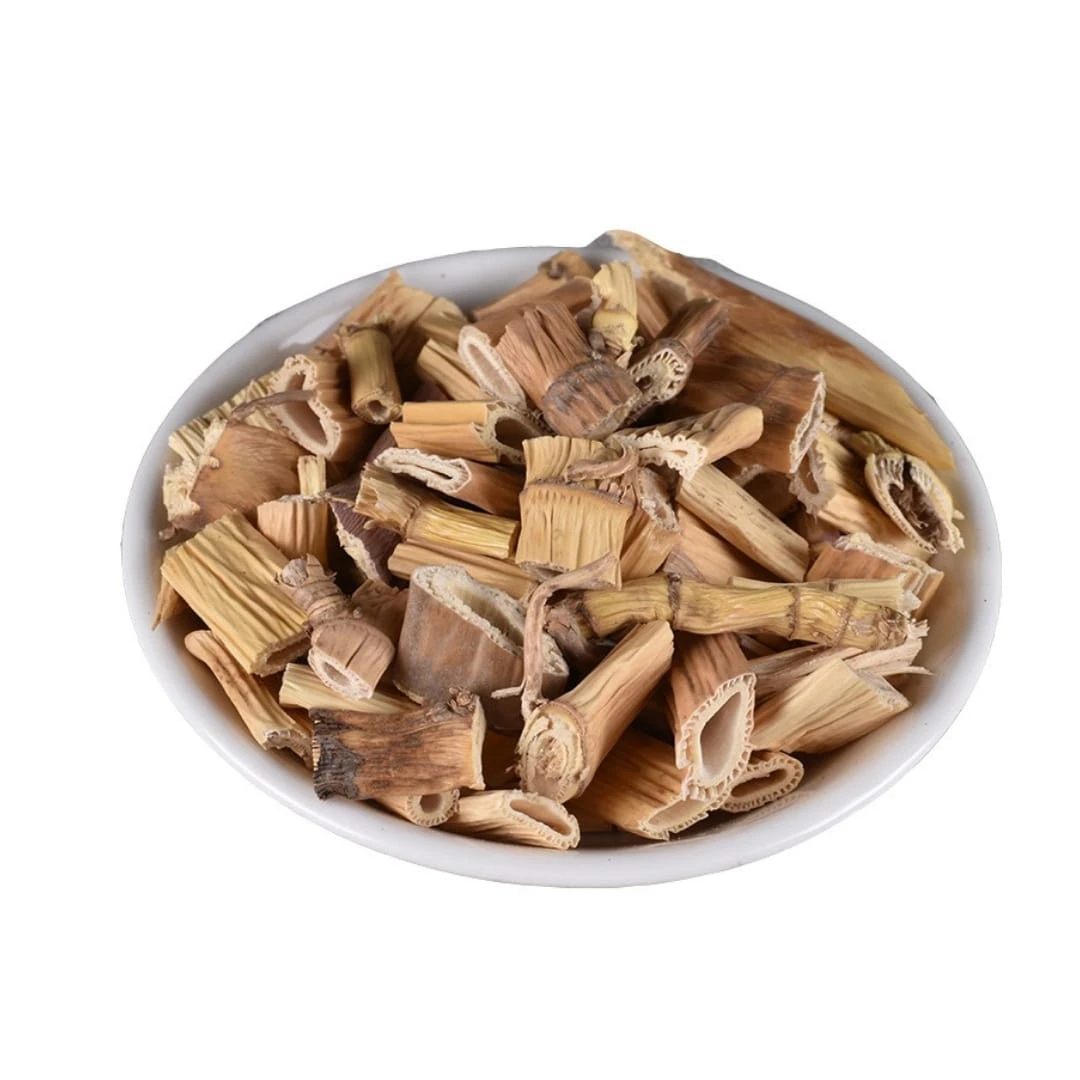
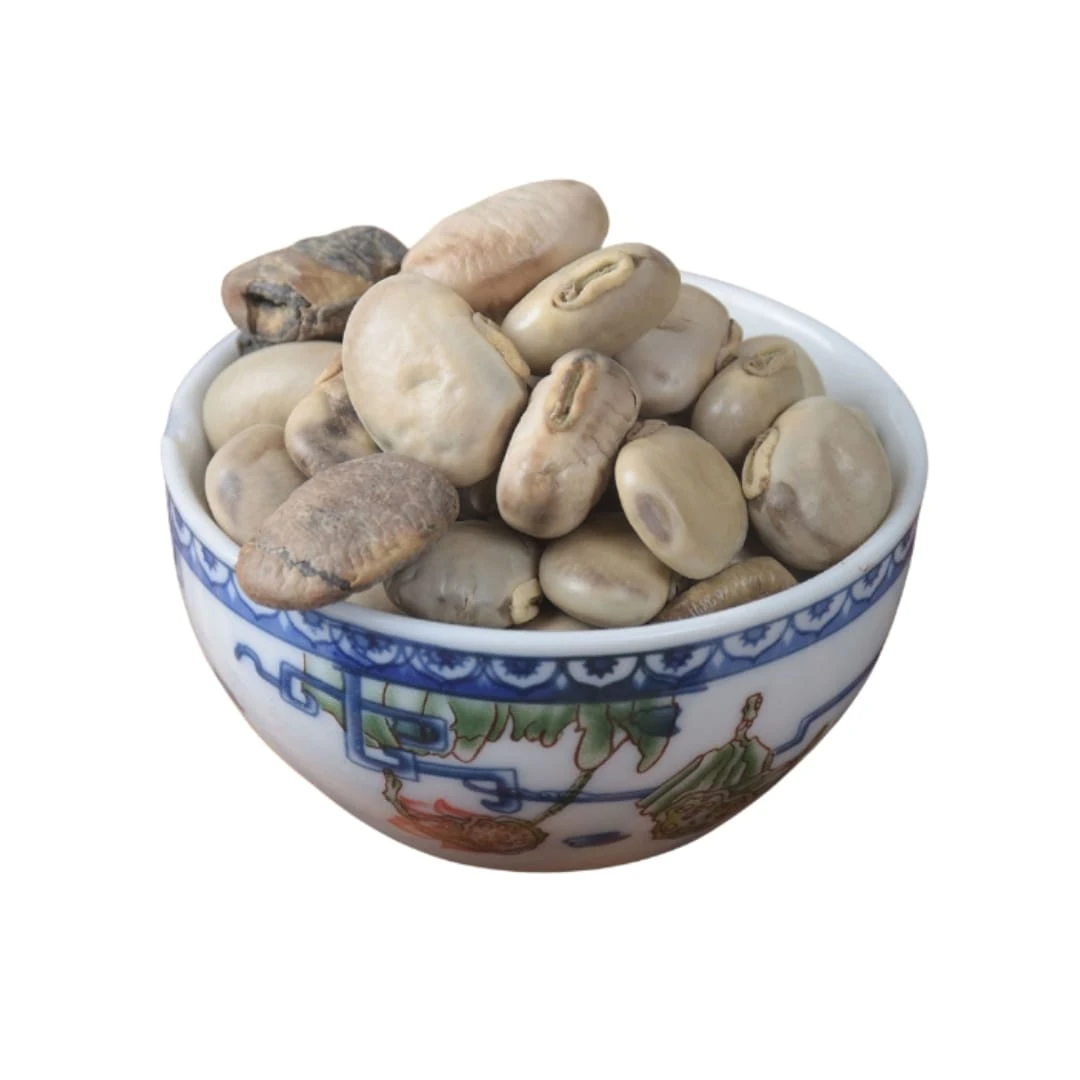
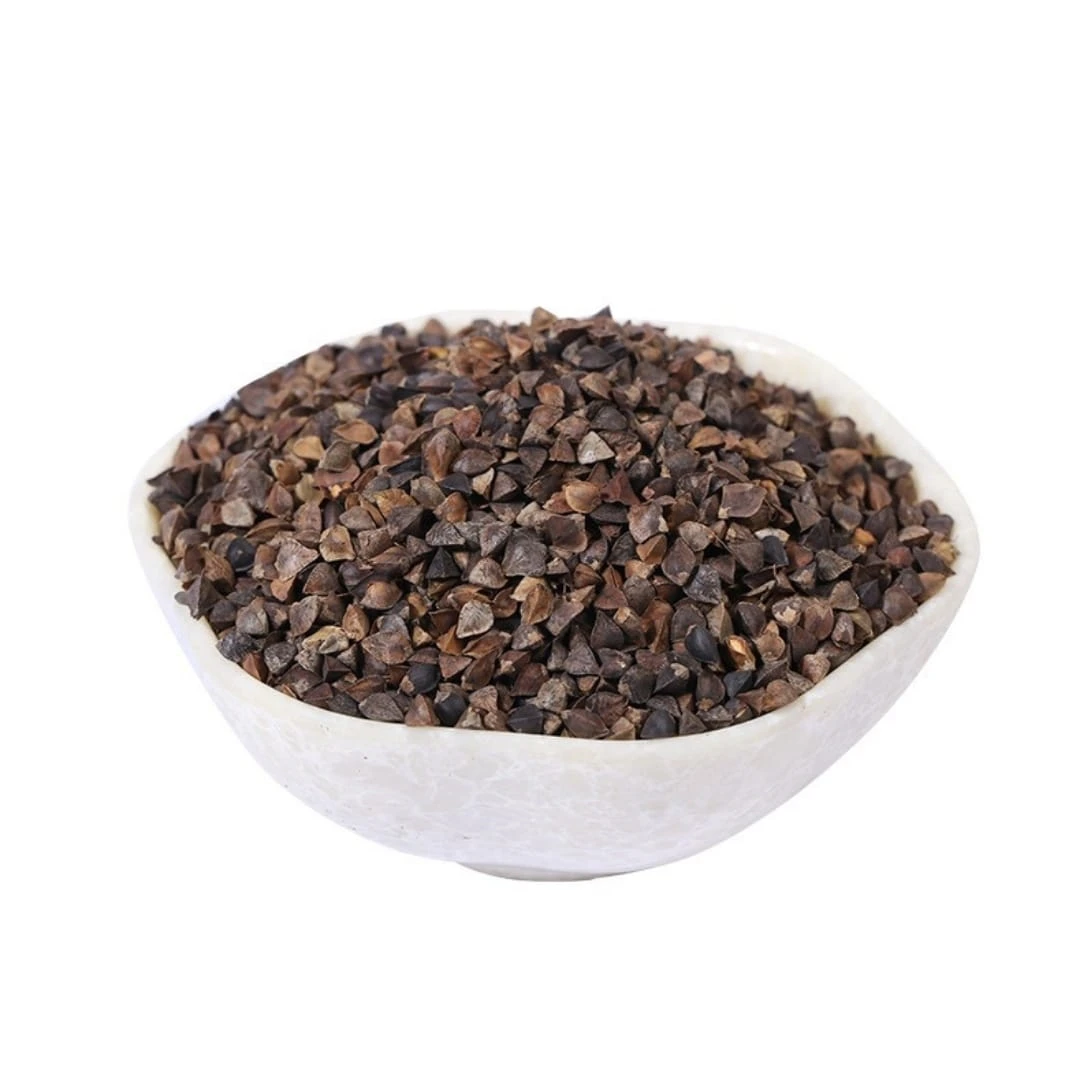
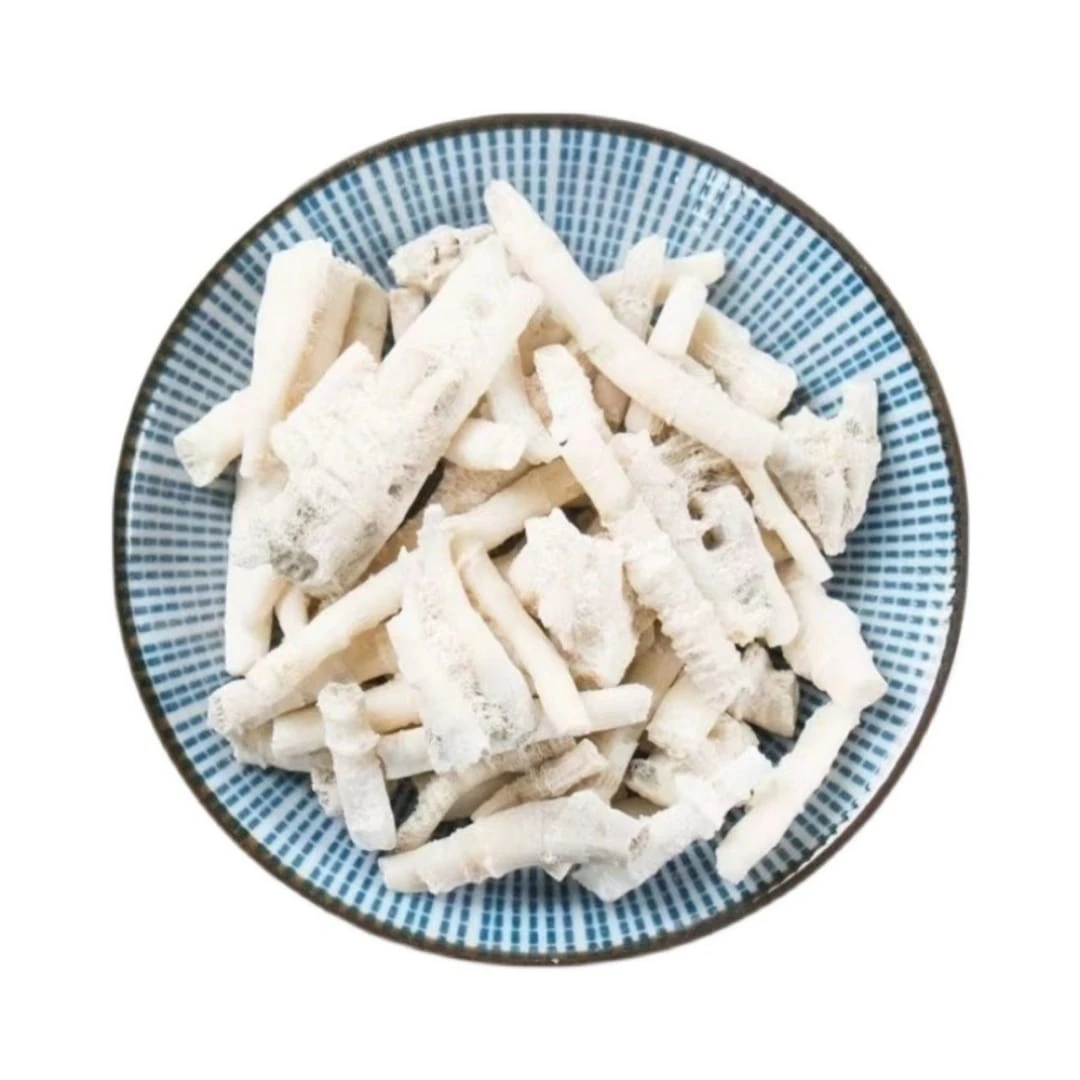
Coral skeleton, also known as red coral or Corallium, refers to the skeletal remains of marine coral organisms. These skeletons are primarily composed of calcium carbonate and various trace elements. In traditional Chinese medicine (TCM), coral skeleton has been valued for its therapeutic properties and has been used for centuries to address various health conditions. The ingredient is derived from scleractinian corals, which belong to the phylum Cnidaria.
Main Active Ingredients
The primary component of coral skeleton is calcium carbonate (CaCO3). In addition to calcium carbonate, coral skeleton contains trace elements such as magnesium, iron, and other minerals. These minerals may contribute to its therapeutic effects. The specific concentrations of these ingredients can vary depending on the coral species and environmental factors.
Product Application Scenarios, Usage, and Dosage
Traditionally, coral skeleton is used in TCM to address conditions such as poor eyesight, nosebleeds, and anxiety. The herb is believed to have calming and hemostatic properties. Typical usage involves grinding the coral skeleton into a fine powder for internal or external application. The appropriate dosage varies depending on the condition being treated and the individual patient. It is often prescribed in conjunction with other herbs in TCM formulas. As a hemostatic agent, it can be applied topically to stop bleeding.
Introduction to the Source Plant, Distribution, and Growth Environment
Coral skeletons are derived from marine corals, specifically scleractinian corals. These coral species are found in tropical and subtropical oceans around the world. They thrive in warm, shallow, clear waters with plenty of sunlight. Coral reefs, formed by these corals, are biodiverse ecosystems. The growth environment is sensitive to changes in water temperature, acidity, and pollution.
Harvesting, Processing, and Storage
The harvesting of coral for medicinal purposes is a complex issue due to environmental concerns. Sustainable harvesting practices are essential to protect coral reefs. Once harvested, the coral skeleton is cleaned and processed to remove any organic matter. It is then typically ground into a powder for use in TCM preparations. Proper storage is crucial to maintain the quality of coral skeleton. It should be stored in a dry, cool place, away from moisture and light to prevent degradation.
Citations
- [Bensky, D., Clavey, S., & Stöger, E. (2004). Chinese Herbal Medicine: Materia Medica, 3rd Edition. Seattle, WA: Eastland Press.]
- [Holmes, P. (2007). The Energetics of Western Herbs: Integrating Western and Oriental Herbal Medicine Traditions, Volume 1. Snow Lotus Press.]
- [Chen, J. K., & Chen, T. T. (2004). Chinese Medical Herbology and Pharmacology. City of Industry, CA: Art of Medicine Press.]
Mia Wu

Hi, I’m Mia Wu! I love helping customers discover the best natural ingredients for their products. With a passion for herbs, spices, and fungi, I work to make sure you get only the finest raw materials. Let's grow together! 🌱✨