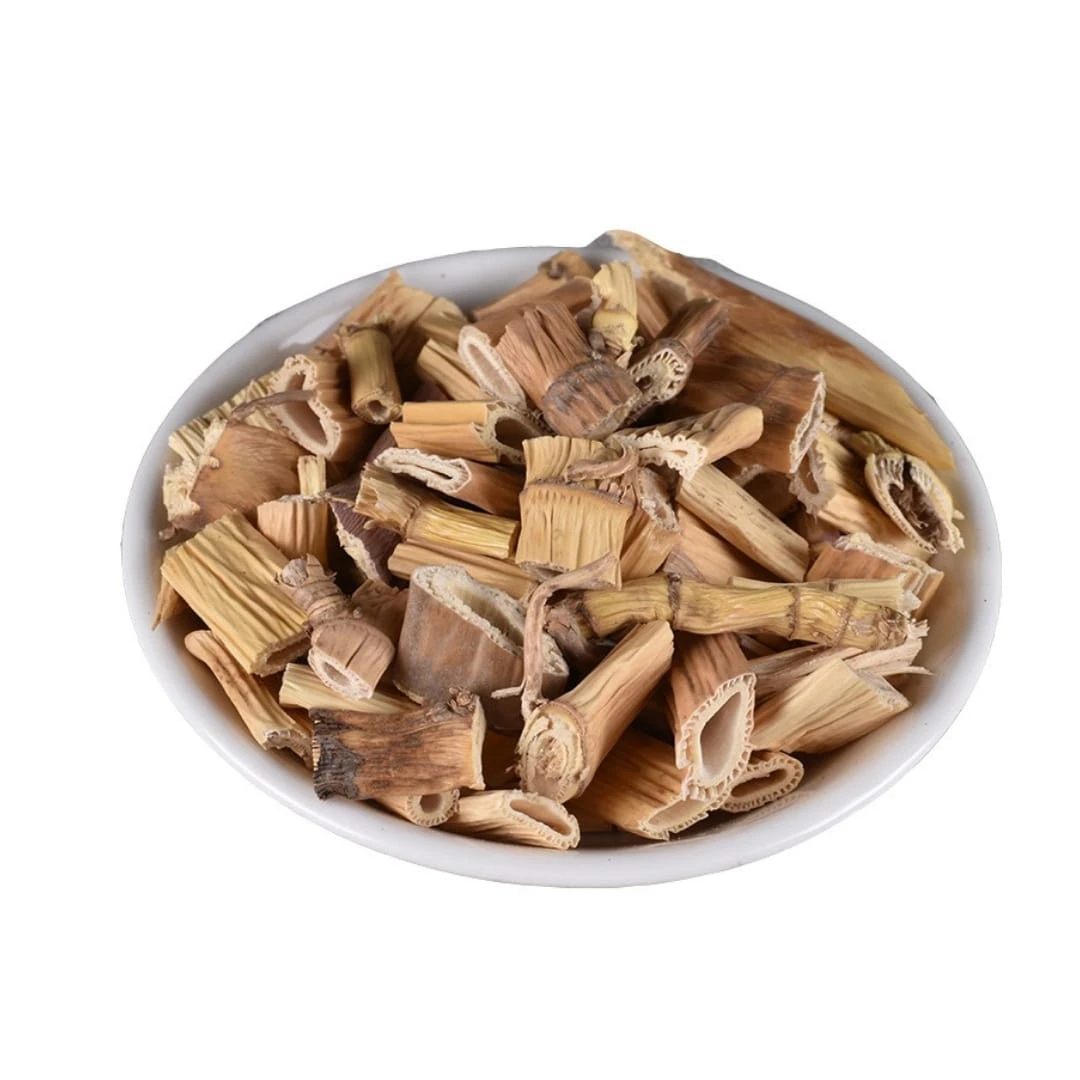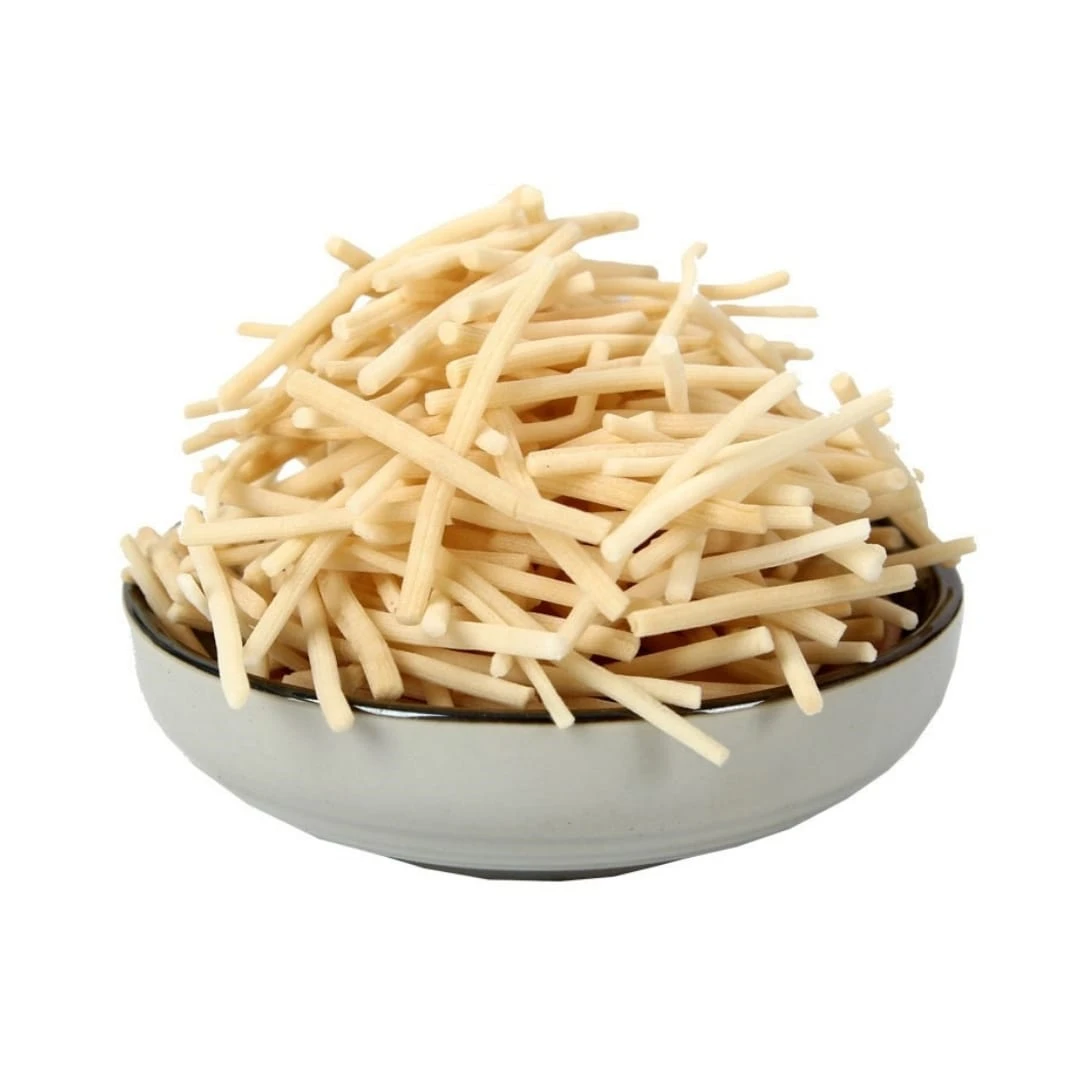


Product Introduction
Common Rush, or Juncus effusus, is a traditional Chinese medicine derived from the pith of the Juncus effusus plant. This herb has been used for centuries in traditional Chinese medicine practices, valued for its therapeutic properties. It is typically found in damp areas such as marshes and along waterways. The herb is known for its ability to address conditions related to heat and water metabolism.
Main Active Ingredients
The efficacy of Common Rush is attributed to its complex chemical composition. Glycosides, a type of compound that can have various effects on the body, are one of the key components. Flavonoids, known for their antioxidant and anti-inflammatory properties, are also present. Phenolic compounds contribute to the herb's pharmacological actions. Further research is ongoing to fully elucidate all of its active constituents and their mechanisms of action.
Product Application Scenarios, Usage, and Dosage
In traditional Chinese medicine, Common Rush is primarily indicated for conditions involving heat in the heart and urinary difficulties. Common Rush is used to address symptoms like irritability, insomnia, and painful urinary dribbling. It is often combined with other herbs to enhance its effects and address the underlying imbalances. The typical dosage ranges from 3 to 6 grams, usually administered in decoction. It is important to note that the dosage may vary based on the patient's individual condition and the practitioner's judgement.
Introduction to the Source Plant, Distribution, and Growth Environment
Juncus effusus, the source plant for Common Rush, is a perennial herbaceous plant belonging to the Juncaceae family. This plant is characterized by its cylindrical, hollow stems and is commonly found in wetlands, marshes, and riparian habitats. It has a widespread distribution, occurring in many parts of the world, including North America, Europe, Asia, and Australia. It thrives in damp, shaded environments with nutrient-rich soils.
Harvesting, Processing, and Storage
The harvesting of Common Rush typically occurs in the summer or autumn, when the stems are fully mature. The stems are cut, and the pith is carefully extracted. The extracted pith is then dried in the sun or by artificial means until it reaches the desired moisture content. It is important to store the dried herb in a cool, dry, and well-ventilated place to prevent mold growth and preserve its medicinal properties. Proper storage ensures that the herb retains its potency over time.
Citations
- Chen, J. K., & Chen, T. T. (2004). Chinese Medical Herbology and Pharmacology. Art of Medicine Press.
- Bensky, D., Clavey, S., & Stöger, E. (2004). Chinese Herbal Medicine: Materia Medica. 3rd ed. Seattle, WA: Eastland Press.
- Yao, B., et al. (2014). Chemical Constituents of Juncus Plants. Chemistry of Natural Compounds, 50(5), 817–824.
Mia Wu

Hi, I’m Mia Wu! I love helping customers discover the best natural ingredients for their products. With a passion for herbs, spices, and fungi, I work to make sure you get only the finest raw materials. Let's grow together! 🌱✨