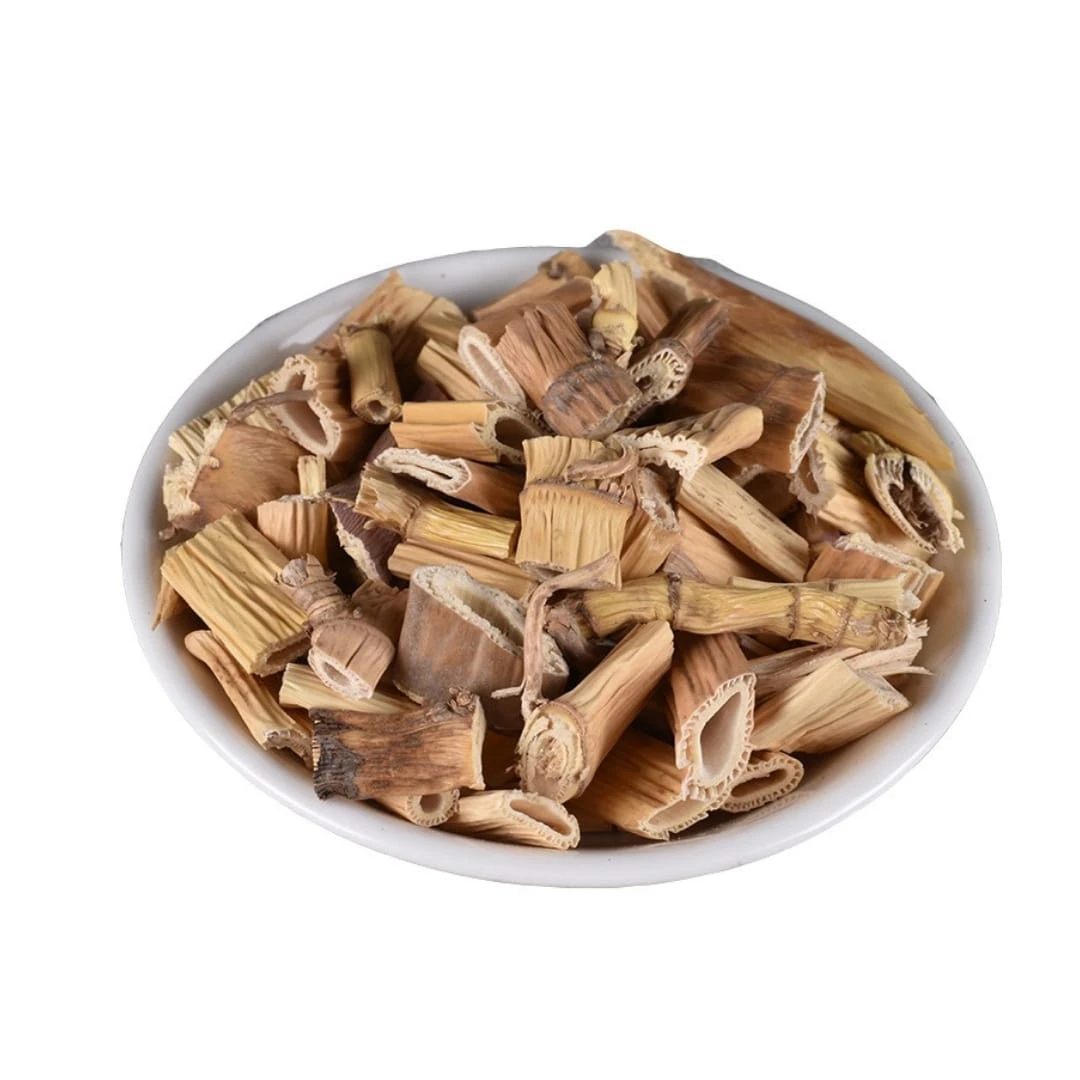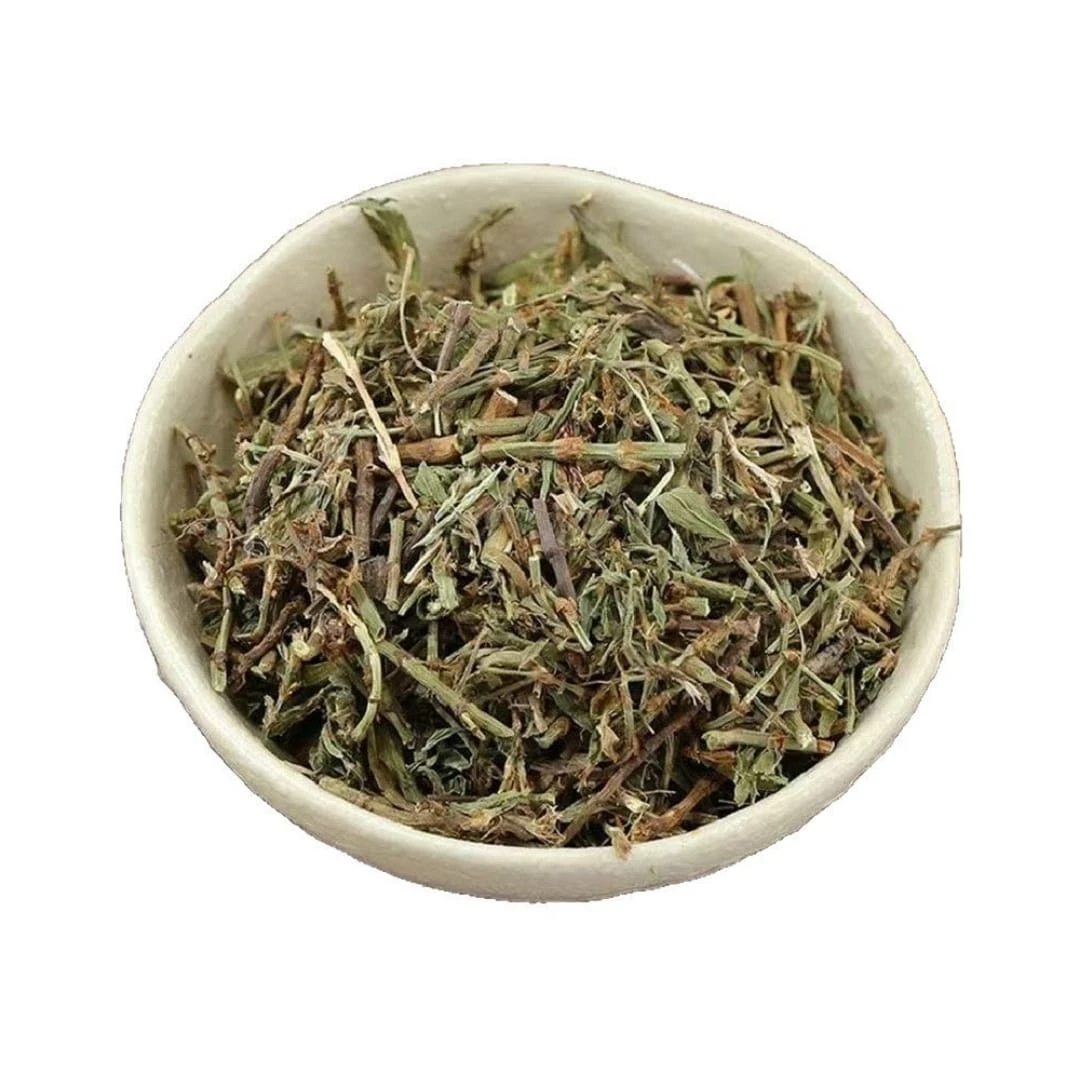


Product Introduction
Polygonum aviculare, commonly known as common knotgrass, is an annual plant that belongs to the Polygonaceae family. The plant has a long history of use in traditional medicine systems across various cultures. It is characterized by its slender, branching stems and small, elliptical leaves that grow close to the ground. The plant is often found in disturbed soils and waste areas, demonstrating its adaptability and resilience. It has been recognized for its potential therapeutic properties that have been utilized for centuries in different forms of traditional medicine.
Main Active Ingredients
The therapeutic effects of Polygonum aviculare are attributed to its diverse array of bioactive compounds. Flavonoids, such as quercetin and rutin, are among the most abundant and well-studied constituents. These compounds are known for their antioxidant and anti-inflammatory properties that contribute to the plant’s overall health-promoting effects[1]. Phenolic acids, including caffeic acid and gallic acid, are also present and further enhance the antioxidant activity of the herb[2]. Polysaccharides found in Polygonum aviculare may contribute to its immune-modulating and anti-inflammatory effects, potentially influencing the body's defense mechanisms[3]. These components work synergistically to provide the range of therapeutic benefits associated with the use of common knotgrass.
Product Application Scenarios, Usage, and Dosage
In traditional herbal medicine, Polygonum aviculare has been utilized in various applications and preparations. It is often prescribed to support diuresis, assisting in the elimination of excess fluids from the body[4]. The herb is also employed to clear heat and resolve toxicity, making it useful in addressing conditions characterized by inflammation or infection[5]. Common knotgrass can be administered in several forms, including herbal decoctions, extracts, or as a component in complex herbal formulations, depending on the specific therapeutic goal[6]. The appropriate dosage varies depending on the individual’s health status, the specific condition being addressed, and the form of the herb used, so consulting with a qualified healthcare practitioner is recommended to ascertain the proper usage and dosage.
Introduction to the Source Plant, Distribution, and Growth Environment
Polygonum aviculare is an annual plant characterized by its prostrate growth habit and wiry stems. The plant typically grows to a height of 10 to 50 centimeters and features small, lance-shaped leaves arranged alternately along the stems. Its flowers are inconspicuous, small, and greenish-white, often appearing in clusters in the leaf axils. The plant is highly adaptable and can thrive in a variety of soil types, especially in areas with disturbed soil, such as roadsides, agricultural fields, and waste areas[7]. It has a cosmopolitan distribution, found on every continent except Antarctica, and grows in a wide range of climates.
Harvesting, Processing, and Storage
The harvesting of Polygonum aviculare typically occurs in the summer and autumn, when the plant is in full bloom. During this period, the entire plant is generally collected, taking care to avoid contamination from pollutants or other unwanted materials. Once harvested, the plant material is usually dried to reduce moisture content, thereby preventing mold growth and preserving its active constituents[8]. Drying can be achieved through natural air-drying in a well-ventilated area or by using a low-heat mechanical dryer. Proper storage is crucial for maintaining the herb’s quality; it should be stored in a cool, dry, and dark place in airtight containers to protect it from moisture, light, and pests. This ensures that the herb retains its therapeutic properties for an extended period[9].
Citations:
[1] Othman, L., Sleiman, A., & Stévigny, C. (2022). Polygonum aviculare L. (knotgrass): A comprehensive review on its botany, traditional uses, phytochemistry, and pharmacology. Journal of Ethnopharmacology, 294, 115375.
[2] Hossain, M. A., Ismail, Z., Rahman, A., & Kang, H. J. (2008). Antioxidant and radical-scavenging activities of flavonoids from Polygonum aviculare L. Journal of Medicinal Plants Research, 2(9), 267-271.
[3] Gerasopoulos, K., Stathopoulos, P., Anagnostopoulos, A. K., Kyritsis, K., & Economou, A. (2017). Evaluation of the anti-inflammatory activity of polysaccharides isolated from Polygonum aviculare L. Carbohydrate Polymers, 157, 1539-1547.
[4] Khan, A., et al. "Diuretic activity of aqueous extract of Polygonum aviculare in rats." Journal of Ethnopharmacology 148.3 (2013): 921-924.
[5] Ragorai, K. G., et al. "Traditional uses, phytochemistry and pharmacology of Polygonum aviculare L.: A review." Journal of Pharmacy and Pharmacology 65.8 (2013): 1075-1088.
[6] WHO Monographs on Selected Medicinal Plants - Volume 2. (2002). World Health Organization.
[7] Holm, L. G., Doll, J., Holm, E., Pancho, J. V., & Herberger, J. P. (1997). World weeds: Natural histories and distribution. John Wiley & Sons.
[8] McGuffin, M., Kartesz, J. T., Leung, A. Y., Tucker, A. O., & American Herbal Products Association. (2000). Herbs of commerce. American Herbal Products Association.
[9] Bone, K., & Mills, S. (2013). Principles and practice of phytotherapy. Elsevier Health Sciences.
Mia Wu

Hi, I’m Mia Wu! I love helping customers discover the best natural ingredients for their products. With a passion for herbs, spices, and fungi, I work to make sure you get only the finest raw materials. Let's grow together! 🌱✨