


Product Introduction
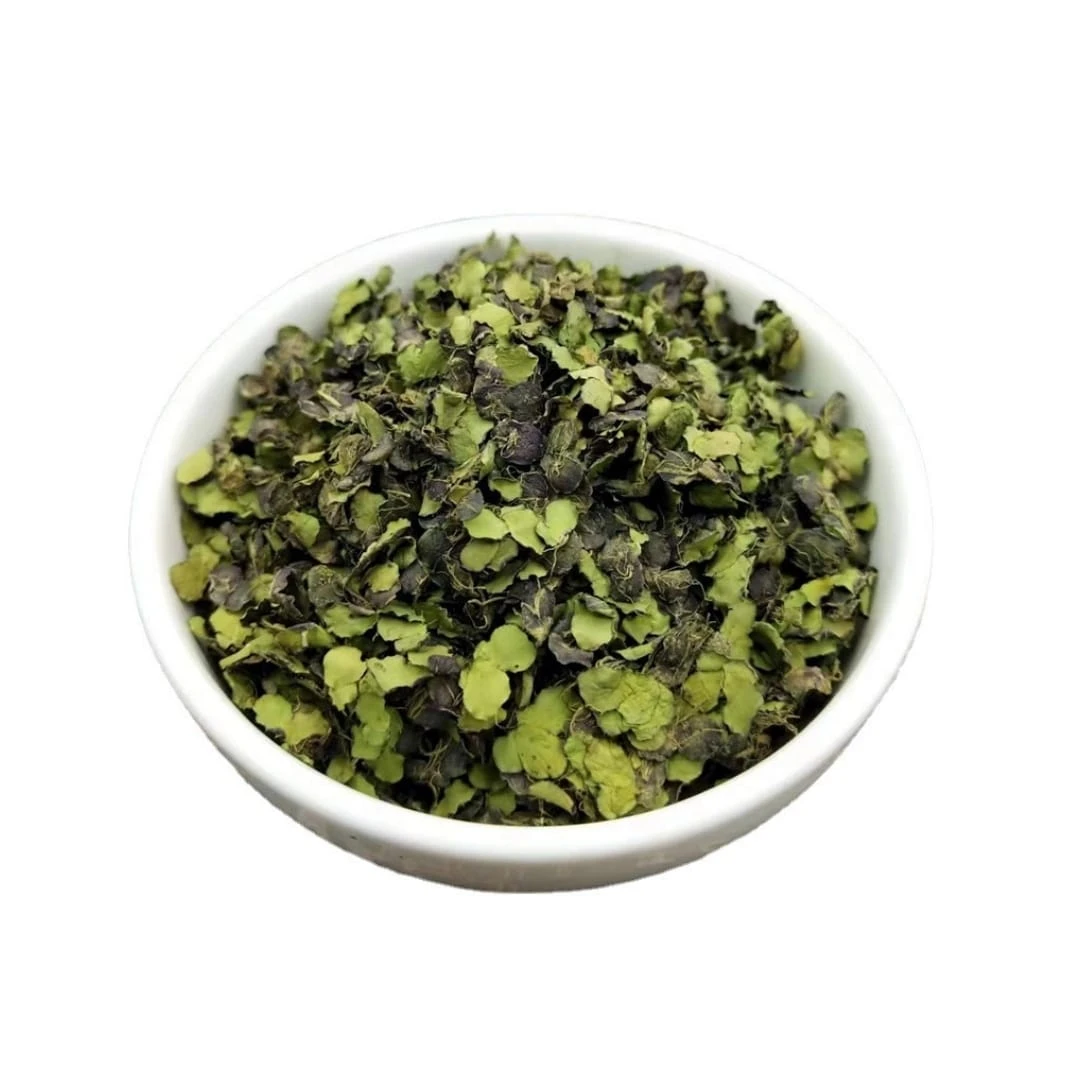
Common Duckweed, scientifically known as Lemna minor, is a small, free-floating aquatic plant belonging to the Lemnaceae family. It is used in traditional Chinese medicine for its therapeutic properties. The herb is typically collected in the summer and autumn, then dried for medicinal use. It is valued for its ability to induce sweating, alleviate edema, and reduce skin irritation.
Main Active Ingredients
The primary active ingredients in common duckweed include various flavonoids, such as luteolin and apigenin, which contribute to its medicinal effects. Polysaccharides are also present, which may have immunomodulatory and anti-inflammatory properties. Further research has noted the presence of phenolic acids and minerals contributing to its overall therapeutic profile.
Product Application Scenarios, Usage, and Dosage
In traditional Chinese medicine, common duckweed is used to address conditions such as edema, skin rashes, and measles that have not fully surfaced. It is often prescribed to promote sweating to release exterior pathogens. Typically, the dosage ranges from 3 to 9 grams, decocted in water for oral administration. It can also be used topically in the form of a wash or poultice to relieve itching and skin inflammation.
Introduction to the Source Plant, Distribution, and Growth Environment
Lemna minor is a small, aquatic plant found in freshwater environments worldwide. It thrives in still or slow-moving waters, such as ponds, lakes, and ditches. The plant consists of tiny, oval-shaped fronds, typically green. It reproduces rapidly through vegetative propagation, forming dense mats on the water surface. It is widely distributed across temperate and tropical regions.
Harvesting, Processing, and Storage
Common duckweed is typically harvested during the summer and autumn months. The entire plant is collected, washed to remove any debris, and then dried in the sun or using mechanical dryers. Once dried, it should be stored in a cool, dry place. Proper storage is essential to maintain its potency and prevent degradation.
Citations
- Chinese Pharmacopoeia Commission. (2020). Pharmacopoeia of the People's Republic of China. China Medical Science and Technology Press.
- жёнawski, Ł., Szewczyk, A., Olech, M., Nowak, R., & Geszprych, A. (2015). Chemical composition and nutritional evaluation of duckweed (Lemna minor L.). Journal of Animal and Feed Sciences, 24(3), 217-221.
- Landolt, E. (1986). Biosystematic investigations on the family of duckweeds (Lemnaceae) Vol. 2. Veroffentlichungen des Geobotanischen Institutes ETH, Stiftung Rubel, Zurich, 71, 1-566.
Mia Wu

Hi, I’m Mia Wu! I love helping customers discover the best natural ingredients for their products. With a passion for herbs, spices, and fungi, I work to make sure you get only the finest raw materials. Let's grow together! 🌱✨







