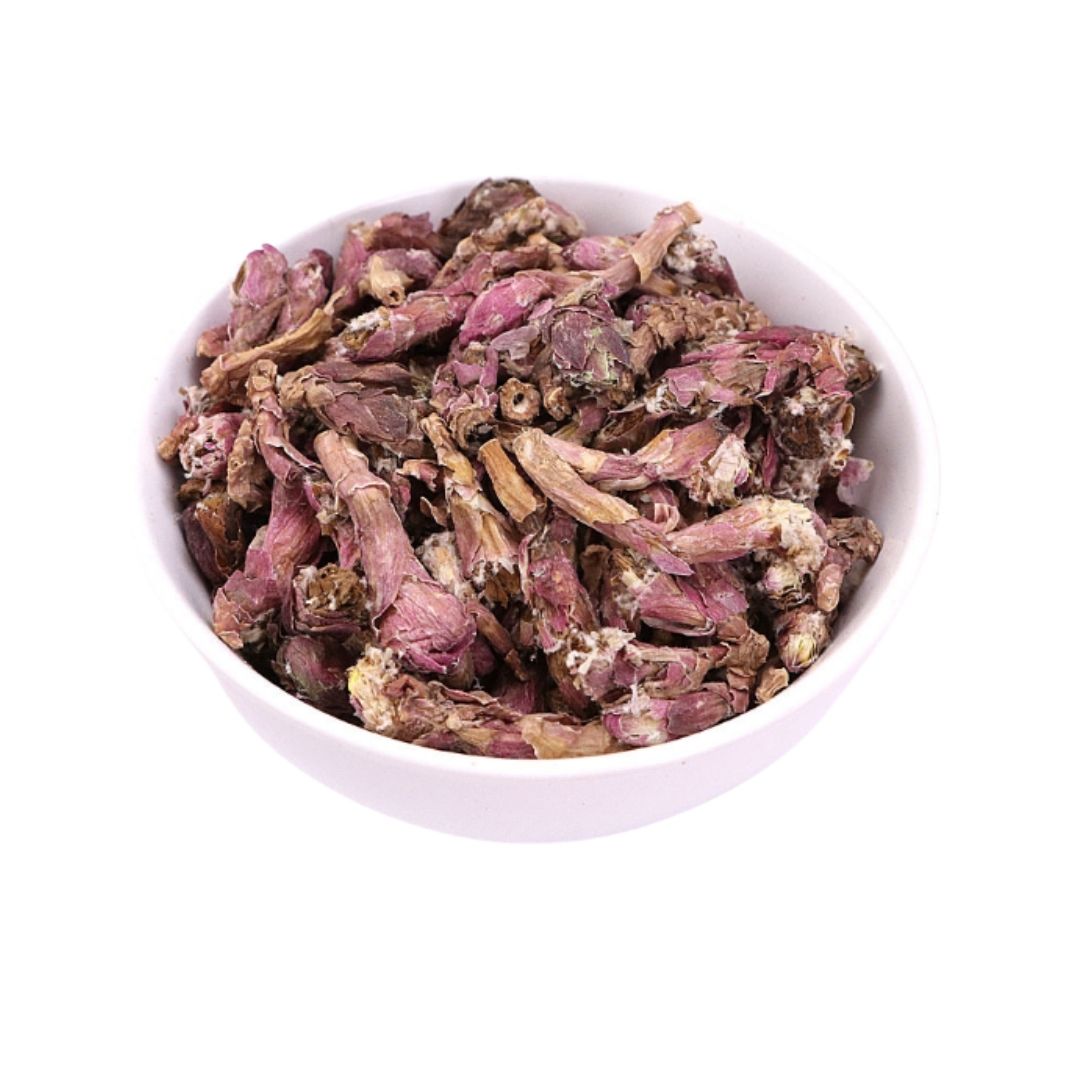


Product Introduction
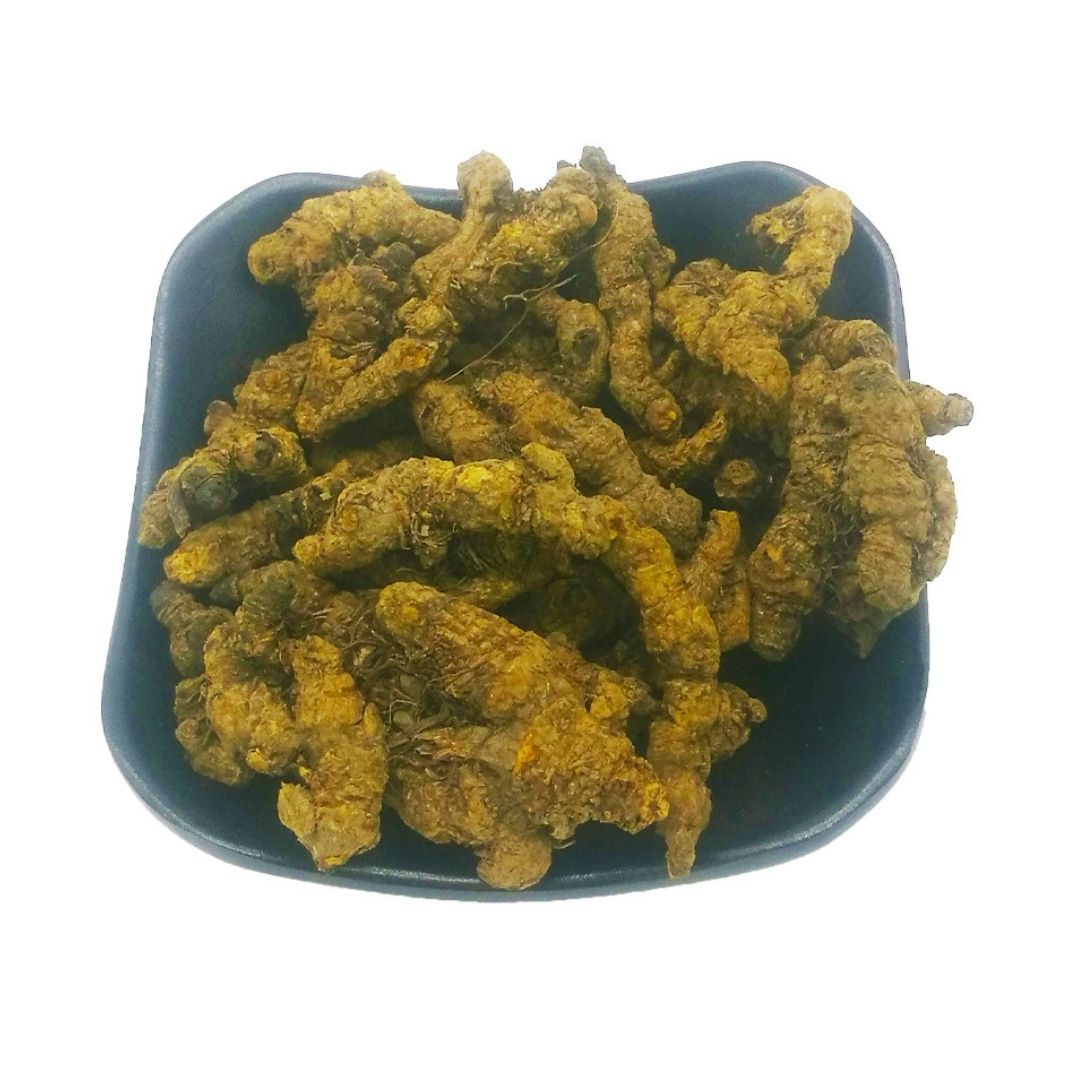
Coltsfoot flower, scientifically known as Tussilago farfara, is a traditional herbal remedy with a long history of use in various cultures. The plant is most recognizable by its bright yellow flowers, which bloom in early spring before the leaves emerge. This herb has been valued for its medicinal properties, particularly in addressing respiratory issues. The coltsfoot flower has been utilized in traditional medicine systems to ease coughs, reduce phlegm, and provide relief from various respiratory conditions. Its historical applications highlight its significance as a natural aid for maintaining respiratory health.
Main Active Ingredients
The therapeutic effects of coltsfoot flower are attributed to its key active constituents. Mucilage, a gel-forming fiber, is a primary component, providing a soothing effect on irritated mucous membranes. Flavonoids, known for their antioxidant properties, contribute to the herb’s anti-inflammatory actions. Additionally, coltsfoot contains pyrrolizidine alkaloids (PAs), which, while present, necessitate cautious and regulated usage due to potential hepatotoxicity. It's important to note that the presence PAs has to lead some research suggesting the need for careful usage and monitoring. The combination of these compounds contributes to the overall medicinal properties of coltsfoot flower.
Product Application Scenarios, Usage, and Dosage
Coltsfoot flower is primarily used to address respiratory ailments. It is commonly employed to alleviate coughs, particularly dry, persistent coughs, by soothing irritated airways and promoting expectoration. The herb can also help reduce phlegm and ease breathing in conditions such as bronchitis and asthma. Traditional usage involves preparing coltsfoot as a tea, decoction, or syrup. The typical dosage varies depending on the preparation and individual needs, but it is generally recommended to use coltsfoot flower under the guidance of a qualified healthcare practitioner to ensure safe and effective use. Due to the presence of pyrrolizidine alkaloids, long-term or excessive use should be avoided.
Introduction to the Source Plant, Distribution, and Growth Environment
Tussilago farfara, the source plant of coltsfoot flower, is a perennial plant native to Europe and parts of Asia and North Africa. It has naturalized in North America and can be found growing in various temperate regions worldwide. The plant thrives in moist, disturbed soils, such as along roadsides, riverbanks, and waste areas. It prefers sunny to partly shaded locations and is often one of the first plants to colonize bare or disturbed ground. Coltsfoot is characterized by its creeping rhizomes, which allow it to spread and form colonies. The plant's ability to grow in poor soil conditions makes it a resilient and widespread species.
Harvesting, Processing, and Storage
The harvesting of coltsfoot flowers typically occurs in early spring, as soon as the flowers bloom and before the leaves emerge. The flowers are carefully collected by hand and laid out to dry in a well-ventilated area away from direct sunlight. Proper drying is essential to prevent mold growth and preserve the herb's medicinal properties. Once the flowers are fully dried, they are stored in airtight containers in a cool, dark, and dry place. Proper storage helps maintain the potency and quality of the coltsfoot flower for future use. It is important to handle the dried flowers gently to avoid crumbling and loss of valuable constituents.
Mia Wu

Hi, I’m Mia Wu! I love helping customers discover the best natural ingredients for their products. With a passion for herbs, spices, and fungi, I work to make sure you get only the finest raw materials. Let's grow together! 🌱✨