

Product Introduction
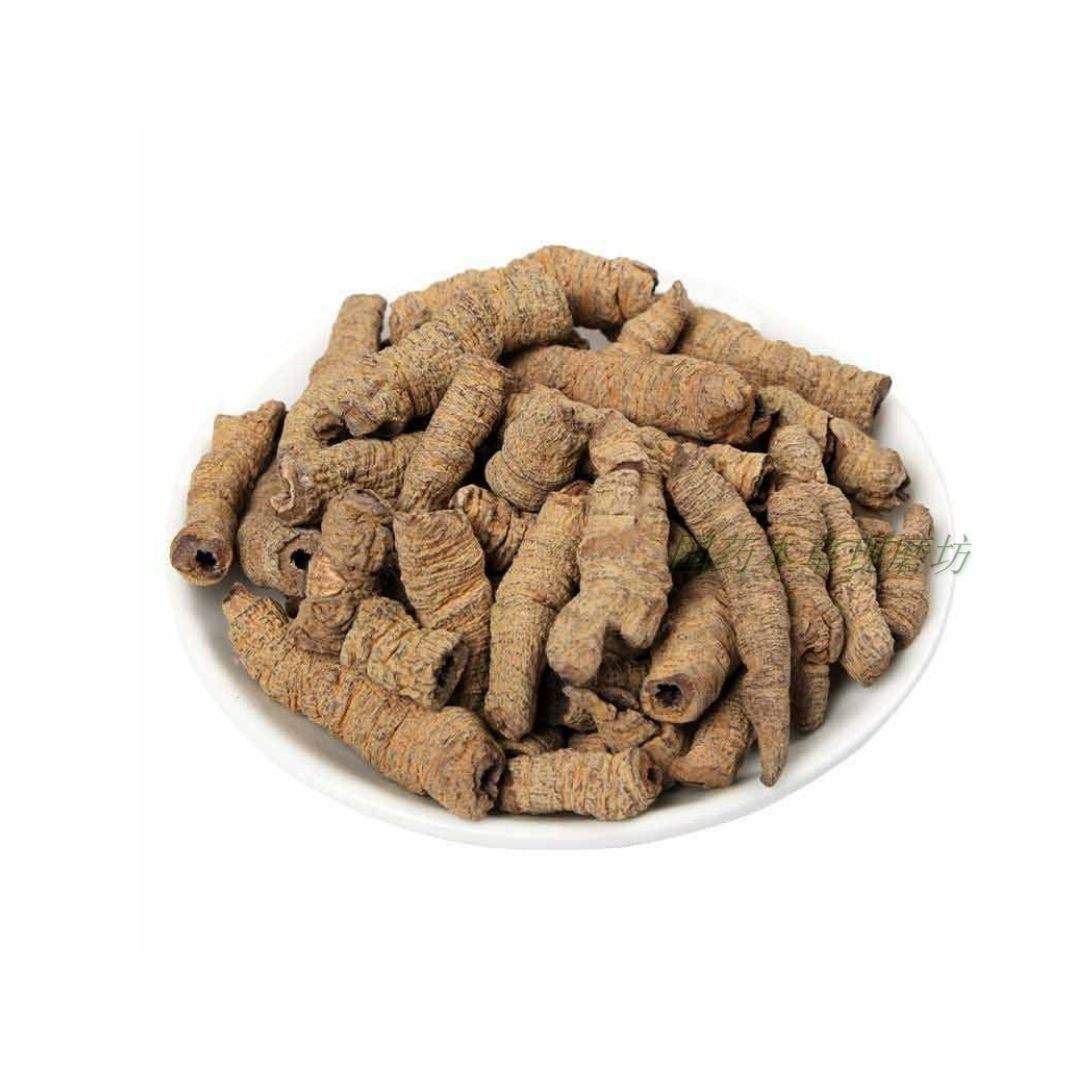
Coastal Glehnia Root, or Bei Sha Shen, is a valuable herb in Traditional Chinese Medicine (TCM), known for its ability to nourish Yin and address dryness. It is derived from the root of Glehnia littoralis, a plant primarily found in coastal regions. The herb is characterized by its slightly sweet taste and is commonly used to moisten the Lungs and Stomach. In TCM theory, it's categorized as a Yin-nourishing herb, which means it helps to replenish the body's essential fluids and alleviate symptoms associated with dryness and heat. Its applications extend to various conditions where dryness is a prominent factor, making it a versatile remedy in clinical practice.
Main Active Ingredients
The therapeutic effects of Coastal Glehnia Root are attributed to its complex chemical composition. Key active constituents include coumarins, which possess anti-inflammatory and antioxidant properties. Polysaccharides present in the root contribute to its immune-modulating and moisturizing effects. Volatile oils also play a role, contributing to the herb's aromatic properties and potential therapeutic benefits. Further research continues to explore and identify the specific compounds responsible for its diverse pharmacological actions.
Product Application Scenarios, Usage, and Dosage
Coastal Glehnia Root is primarily indicated for conditions characterized by Yin deficiency and dryness, particularly in the Lungs and Stomach. Common application scenarios include treating dry coughs, parched throats, and thirst due to heat or dehydration. It is also used to alleviate symptoms associated with chronic bronchitis and to promote fluid generation in cases of diabetes-related dryness.
The typical dosage of Coastal Glehnia Root ranges from 9 to 15 grams, usually administered in decoction form. It can be combined with other herbs to enhance its effects or to address specific symptoms. For example, it may be used with Mai Men Dong (Ophiopogon Root) to further moisten the Lungs or with Sheng Di Huang (Rehmannia Root) to nourish Yin in other parts of the body. The precise formulation and dosage should be determined by a qualified TCM practitioner based on individual patient needs and presentation.
Introduction to the Source Plant, Distribution, and Growth Environment
Glehnia littoralis is a perennial herb that thrives in sandy coastal environments. This plant is primarily distributed along the coastal regions of China, Japan, and Korea. It prefers well-drained sandy soils and a maritime climate characterized by moderate temperatures and high humidity. The plant typically grows to a height of 30 to 60 cm and features fleshy leaves and umbrella-shaped flower clusters. Its ability to withstand harsh coastal conditions contributes to its unique chemical composition and medicinal properties.
Harvesting, Processing, and Storage
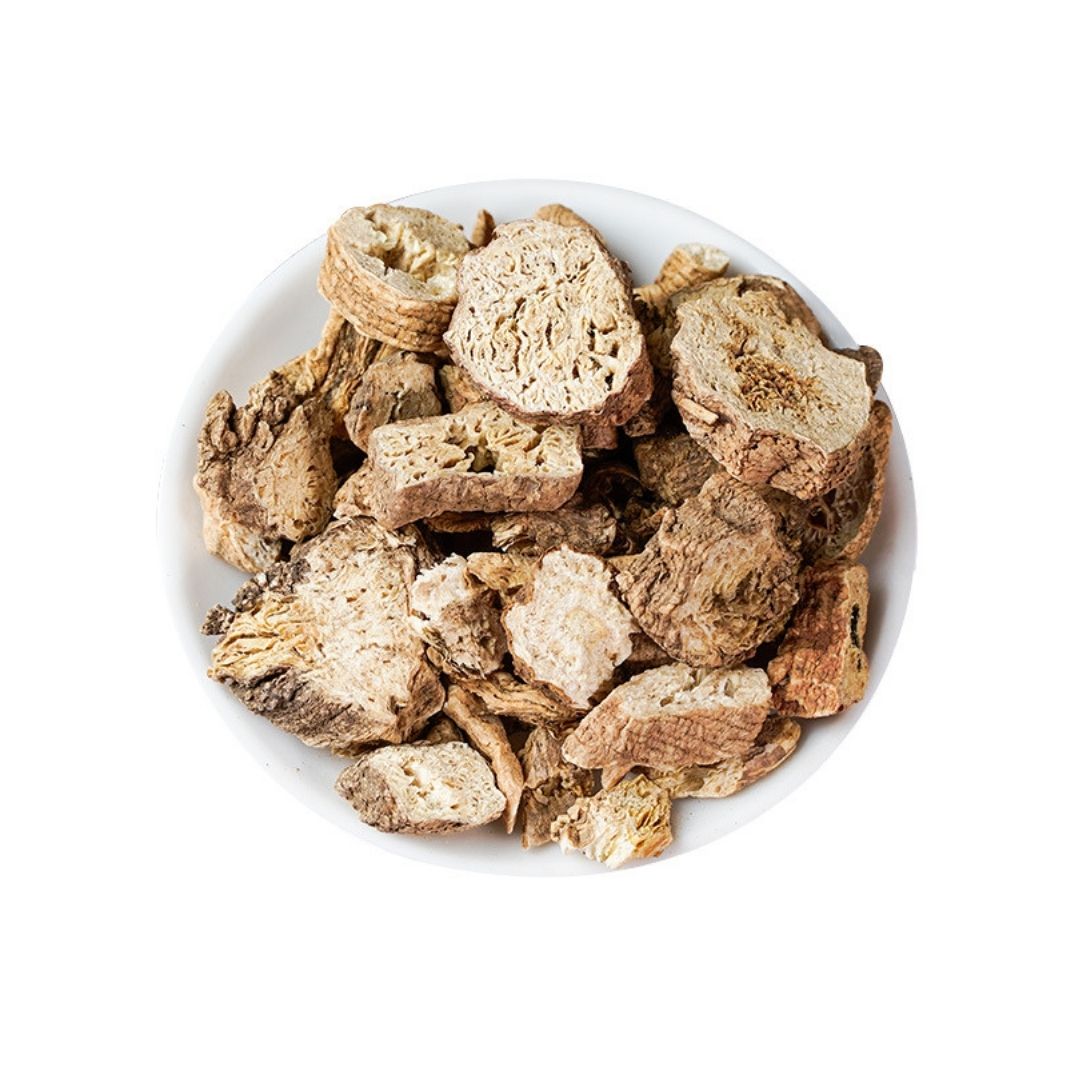
The roots of Glehnia littoralis are typically harvested in the spring or autumn. After harvesting, the roots are washed to remove any dirt and debris and then dried, usually under the sun or with controlled heat. Proper drying is crucial to prevent mold growth and preserve the herb's active constituents. Once dried, the roots are cut into thin slices and stored in airtight containers to protect them from moisture and light. Optimal storage conditions help maintain the herb's potency and extend its shelf life. Regular monitoring for signs of deterioration, such as changes in color or odor, is essential to ensure the quality of the stored herb.
Citations:
- https://www.ncbi.nlm.nih.gov/
- Chinese Herbal Medicine: Materia Medica, 3rd Edition by Dan Bensky, Steven Clavey, Erich Stoger, and Andrew Gamble.
- Pharmacopoeia of the People's Republic of China.
Mia Wu

Hi, I’m Mia Wu! I love helping customers discover the best natural ingredients for their products. With a passion for herbs, spices, and fungi, I work to make sure you get only the finest raw materials. Let's grow together! 🌱✨