

Product Introduction
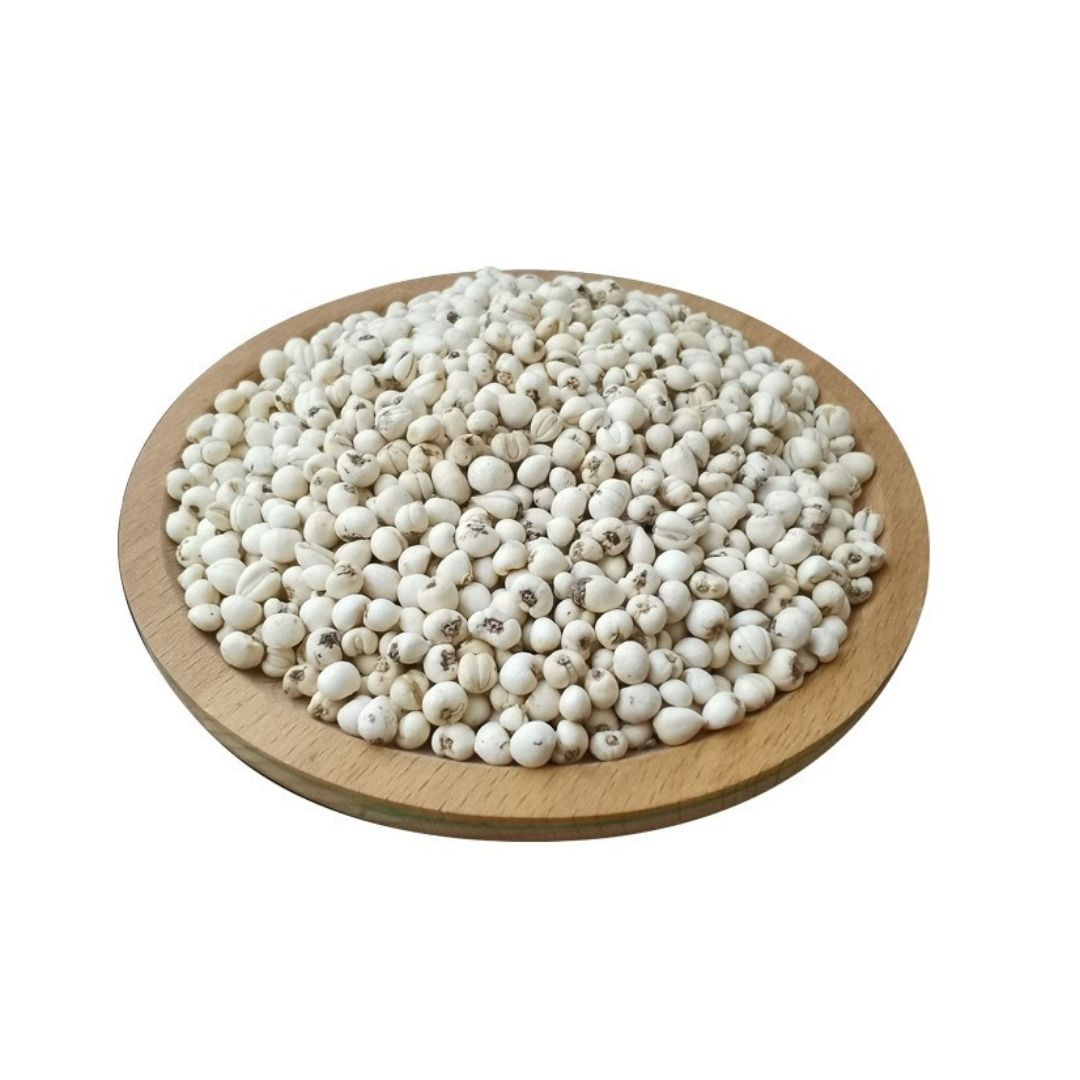
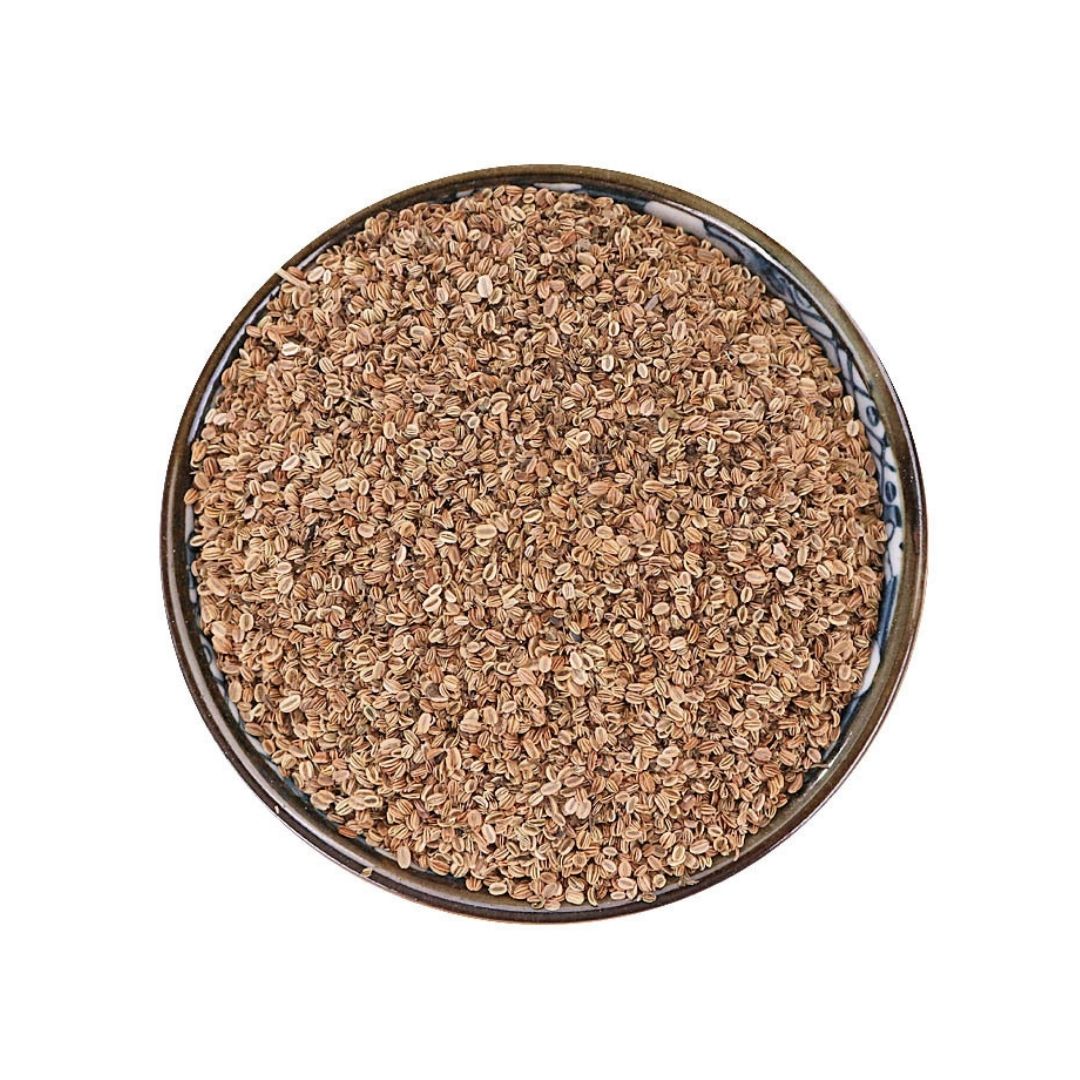
Cnidium monnieri, known as She Chuang Zi in Chinese, is a widely used herb in Traditional Chinese Medicine. Its medicinal use primarily involves the fruit of the Cnidium monnieri plant, which is valued for its therapeutic properties. The fruit is small and has a distinct scent. This herb has a history of use for various conditions.
Main Active Ingredients
The primary active compounds in Cnidium monnieri are coumarins. Osthol is one of the most well-known and researched coumarins found in this herb [1]. These compounds contribute significantly to the pharmacological effects observed with Cnidium monnieri.
Product Application Scenarios, Usage, and Dosage
Cnidium monnieri is often utilized to address skin conditions such as eczema and pruritus due to its antipruritic effects [2]. It is also used for gynecological issues including vaginal discharge and itching. Typically, the herb is administered orally in the form of a decoction. The standard dosage is between 3 to 9 grams, depending on the specific condition and the patient's individual needs, as determined by a qualified practitioner [3].
Introduction to the Source Plant, Distribution, and Growth Environment
The Cnidium monnieri plant is an annual herb commonly found in various regions of Asia and Europe. It thrives in moist, sunny environments, often growing in fields, along roadsides, and near bodies of water. The plant is adaptable to different soil types. Its widespread distribution contributes to its availability as a medicinal resource [4].
Harvesting, Processing, and Storage
The fruits of Cnidium monnieri are typically harvested in the late summer or early autumn when they are fully mature. After harvesting, the fruits are dried, often in the sun or using mechanical drying methods, to reduce moisture content and prevent spoilage. Proper storage involves keeping the dried fruits in a cool, dry place, away from direct light and moisture, to maintain their potency and prevent degradation [5].
Citations
[1] Zhang, H., et al. "Osthol: A review of its bioactivities and potential pharmacological applications." Evidence-Based Complementary and Alternative Medicine, 2020, 8482465.
[2] Gao, X., et al. "The anti-pruritic effect of Cnidium monnieri extract on chronic oxazolone-induced dermatitis in mice." Journal of Ethnopharmacology, 139(3), 2012, 843-847.
[3] Bensky, D., et al. Chinese Herbal Medicine: Materia Medica. 3rd ed. Seattle, WA: Eastland Press, 2004.
[4] Chen, J. K., & Chen, T. T. Chinese Medical Herbology and Pharmacology. City of Industry, CA: Art of Medicine Press, 2004.
[5] Zhao, Z. Z., et al. "Authentication of Herba Cnidii by morphological and microscopic methods." Journal of Chinese Pharmaceutical Sciences, 22(1), 2013, 63-68.
Mia Wu

Hi, I’m Mia Wu! I love helping customers discover the best natural ingredients for their products. With a passion for herbs, spices, and fungi, I work to make sure you get only the finest raw materials. Let's grow together! 🌱✨