

Product Introduction
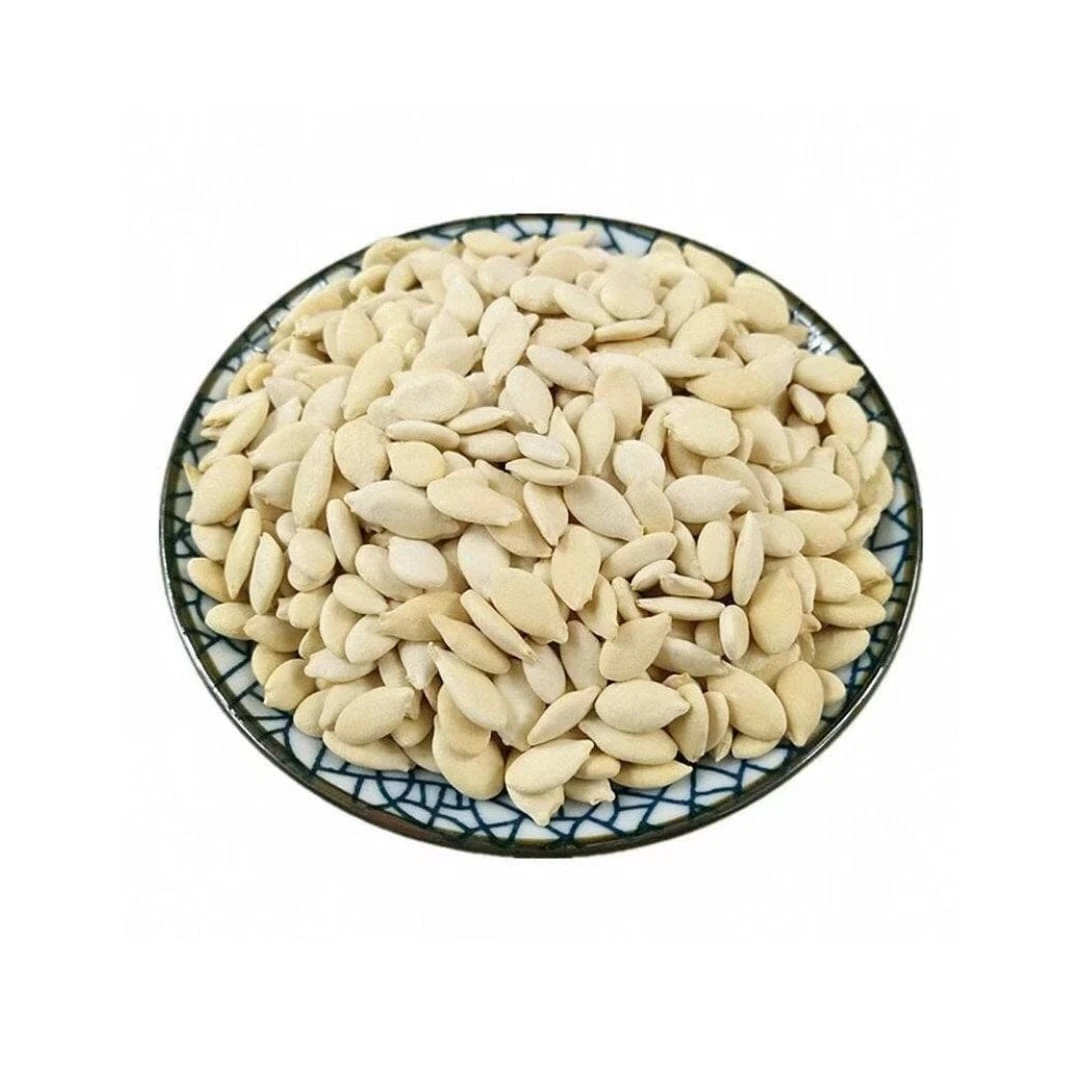
Chinese Waxgourd Seed, also known as Dong Gua Zi, refers to the dried mature seeds of the waxgourd plant, Benincasa hispida. Esteemed in traditional Chinese medicine (TCM), it has been employed for centuries to address diverse health conditions, mainly related to lung and intestinal health. It is often used in herbal formulas to promote the elimination of phlegm and dampness, with the cooling and sweet properties balancing its function.
Main Active Ingredients
The key active components in Chinese Waxgourd Seed include fatty oils, cucurbitine, and various sterols. These compounds contribute to its therapeutic effects, particularly in relation to moisturizing the intestines and reducing inflammation. Further studies suggest the fatty oils help lubricate the intestines, which aids in relieving constipation. Cucurbitine is noted for its potential benefits against parasites.
Product Application Scenarios, Usage, and Dosage
In TCM practice, Chinese Waxgourd Seed is frequently prescribed to address conditions such as lung heat with cough, intestinal dryness with constipation, and damp-heat accumulation. The typical dosage varies, generally ranging from 9 to 15 grams, and is typically administered in decoction form. Variations in dosage adjust depending on the specific condition being treated, and the patient's overall health status, with the guidance of a trained herbalist. It is sometimes used in conjunction with other herbs to enhance its effects, and ameliorate potential side effects.
Introduction to the Source Plant, Distribution, and Growth Environment
Benincasa hispida, commonly known as the waxgourd, is a vine widely cultivated in Asia, including China, India, and Southeast Asia. The plant thrives in warm, humid climates with well-drained soil. It produces large, oblong fruits characterized by a waxy coating on their surface when mature, hence the name waxgourd. Within China, it is cultivated across many provinces, providing a widespread availability of the herb.
Harvesting, Processing, and Storage
The seeds are typically harvested from mature waxgourd fruits. After harvesting, the seeds are separated from the pulp. They are then washed, dried, and prepared for medicinal use. Proper processing involves ensuring the seeds are thoroughly dried to prevent mold growth. The dried seeds should be stored in airtight containers, protected from moisture, and direct sunlight to maintain their potency and prevent degradation over time.
Citations
- Yeung, H. C. (1985). Handbook of Chinese Herbs and Formulas. Institute of Chinese Medicine, Los Angeles.
- Bensky, D., Gamble, A., & Kaptchuk, T. (1993). Chinese Herbal Medicine: Materia Medica. Eastland Press.
- Chen, J. K., & Chen, T. T. (2004). Chinese Medical Herbology and Pharmacology. Art of Medicine Press.
Mia Wu

Hi, I’m Mia Wu! I love helping customers discover the best natural ingredients for their products. With a passion for herbs, spices, and fungi, I work to make sure you get only the finest raw materials. Let's grow together! 🌱✨