

Product Introduction
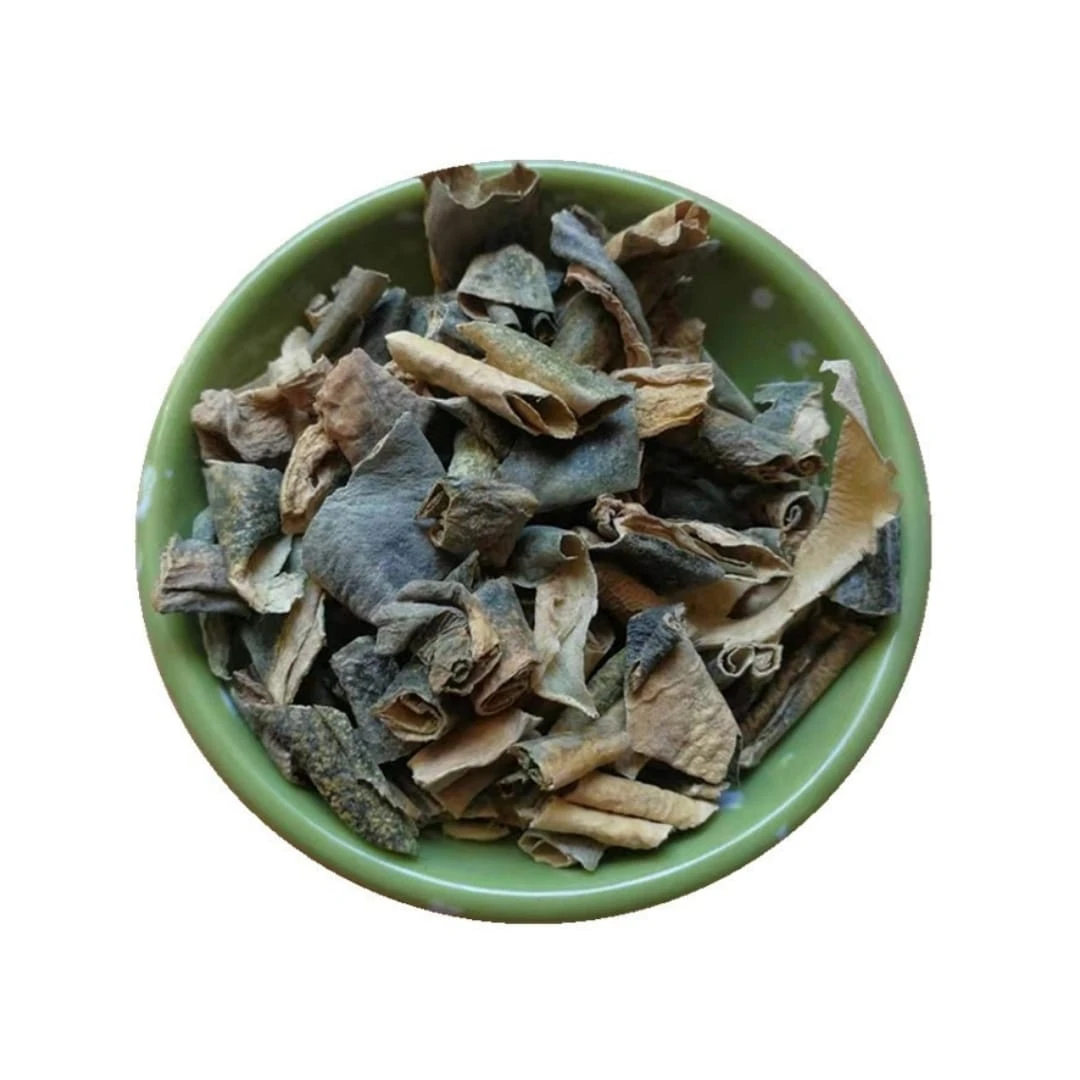
Chinese Waxgourd Peel, also known as Dong Gua Pi, is the dried outer layer of the waxgourd fruit, Benincasa hispida. The waxgourd, is cultivated across Asia, and its peel has been utilized in traditional Chinese medicine for centuries, valued for its therapeutic properties. Its unique composition makes it a gentle yet effective remedy for addressing fluid imbalances and heat-related conditions. Chinese Waxgourd Peel, it offers a natural approach to supporting overall health.
Main Active Ingredients
The therapeutic effects of Chinese Waxgourd Peel are attributed to its diverse array of bioactive compounds. Cucurbitacins, also present, contribute to anti-inflammatory and antioxidant actions. Dietary fibers aid in promoting healthy digestion and detoxification. These components work synergistically, thus enhancing the health benefits of the peel.
Product Application Scenarios, Usage, and Dosage
Chinese Waxgourd Peel, the product can be incorporated into herbal formulas. It can be decocted, simmered in water, and consumed as a tea. The typical dosage ranges from 9 to 15 grams per day, adjusted based on individual needs and the guidance of a healthcare professional. The peel is frequently combined with other herbs to address specific conditions, such as edema associated with kidney problems, or summer heat symptoms.
Introduction to the Source Plant, Distribution, and Growth Environment
The source plant, Benincasa hispida, also referred to as the waxgourd or winter melon, is a vine belonging to the Cucurbitaceae family. It is cultivated widely throughout Asia, particularly in China, India, and Southeast Asia. The plant thrives in warm, humid climates with well-drained soils. The fruit, characterized by its waxy coating, can grow quite large, often weighing several kilograms. The waxgourd, besides its medicinal use, is also a culinary staple in many Asian cultures.
Harvesting, Processing, and Storage
The waxgourd fruits are typically harvested when they reach full maturity. Following harvesting, the peels are carefully separated from the flesh of the fruit. These peels are then cleaned, and sun-dried or dried using mechanical means to reduce their moisture content. Proper drying is essential to prevent mold growth and preserve the quality and efficacy of the peel. Once fully dried, the Chinese Waxgourd Peel should be stored in airtight containers. The location should be cool, dry, and protected from direct sunlight.
Citations
- Ye, Y., Li, J., Yuan, L., Zhang, H., & Chen, H. (2016). "Benincasa hispida: A review of its traditional uses, phytochemistry and pharmacology." Journal of Ethnopharmacology, 189, 107-121.
- ضد التجاع, O., Benajiba, N., Gseyra, N., Charfi, S., & Daoudi, A. (2023). "Benincasa hispida (wax gourd): A review of its botany, phytochemistry, and pharmacological properties." Heliyon, 9(11).
- Xie, Z., Zhou, Z., & Yang, L. (2021). Traditional Chinese Medicine: From basic science to clinical application. Springer Nature.
Mia Wu

Hi, I’m Mia Wu! I love helping customers discover the best natural ingredients for their products. With a passion for herbs, spices, and fungi, I work to make sure you get only the finest raw materials. Let's grow together! 🌱✨