
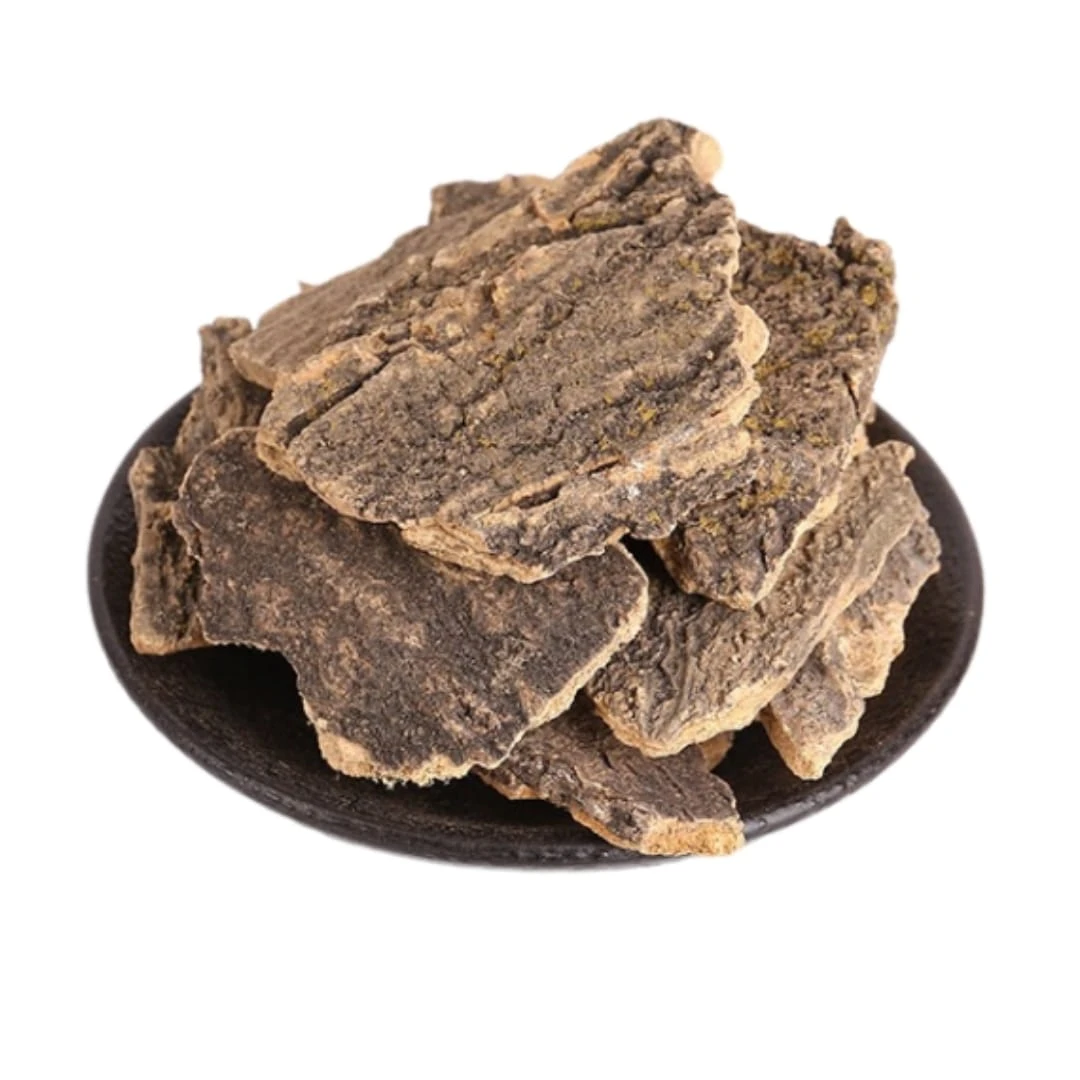


Product Introduction
Chinese Toona Bark is derived from the Toona sinensis tree, which is native to China. The bark has been utilized in traditional Chinese medicine for centuries due to its therapeutic properties. It is valued for its astringent, anti-inflammatory, and antibacterial effects. It addresses various ailments, particularly those related to the digestive system and skin. The therapeutic applications of Toona bark have been passed down through generations of practitioners.
Main Active Ingredients
The bark of Toona sinensis contains several active constituents that contribute to its medicinal properties. These include tannins, which provide astringent effects, helping to reduce inflammation and control bleeding. Flavonoids are also present, offering antioxidant and anti-inflammatory benefits. Furthermore, saponins in the bark contribute to its antibacterial and anti-inflammatory actions. Research continues to explore the full range of compounds and their specific effects.
Product Application Scenarios, Usage, and Dosage
In traditional Chinese medicine, Chinese Toona Bark is primarily employed to treat digestive issues such as dysentery and enteritis. It is also used topically to address skin conditions like eczema and ulcers. The typical dosage involves decocting the dried bark in water and drinking the resulting liquid. The standard dosage is usually between 6 to 15 grams per day, but this can vary based on the individual's condition and the practitioner's recommendations. For external use, the decoction can be applied directly to the affected area.
Introduction to the Source Plant, Distribution, and Growth Environment
Toona sinensis, the source plant of Chinese Toona Bark, is a deciduous tree that can grow up to 25 meters tall. It is native to China and is widely distributed throughout various provinces, including Shandong, Henan, and Jiangsu. The tree prefers well-drained soils and sunny locations but can tolerate a range of environmental conditions. It is often found in forests, along roadsides, and in cultivated areas. The tree is characterized by its reddish-brown bark and pinnate leaves, and it is also cultivated for its edible young shoots, which are a popular delicacy in Chinese cuisine.
Harvesting, Processing, and Storage
The bark of Toona sinensis is typically harvested in the spring or autumn. The outer bark is removed, and the inner bark is collected, then dried in the sun or using a low-heat drying method to preserve its medicinal properties. After drying, the bark is cut into smaller pieces for easier handling and storage. It should be stored in a cool, dry place, away from direct sunlight and moisture, to maintain its quality and prevent degradation. Proper storage ensures the bark retains its therapeutic efficacy over an extended period.
Citations
- Xiao PG. Chinese Materia Medica: Chemistry, Pharmacology and Clinical Applications. Amsterdam: Elsevier; 2015.
- Yan, X. J., et al. "Chemical constituents from Toona sinensis and their bioactivities." Chemistry & Biodiversity 9.1 (2012): 168-175. https://doi.org/10.1002/cbdv.201100126
- Bensky, D., et al. Chinese Herbal Medicine: Materia Medica. 3rd ed. Seattle, WA: Eastland Press; 2004.
Mia Wu

Hi, I’m Mia Wu! I love helping customers discover the best natural ingredients for their products. With a passion for herbs, spices, and fungi, I work to make sure you get only the finest raw materials. Let's grow together! 🌱✨







