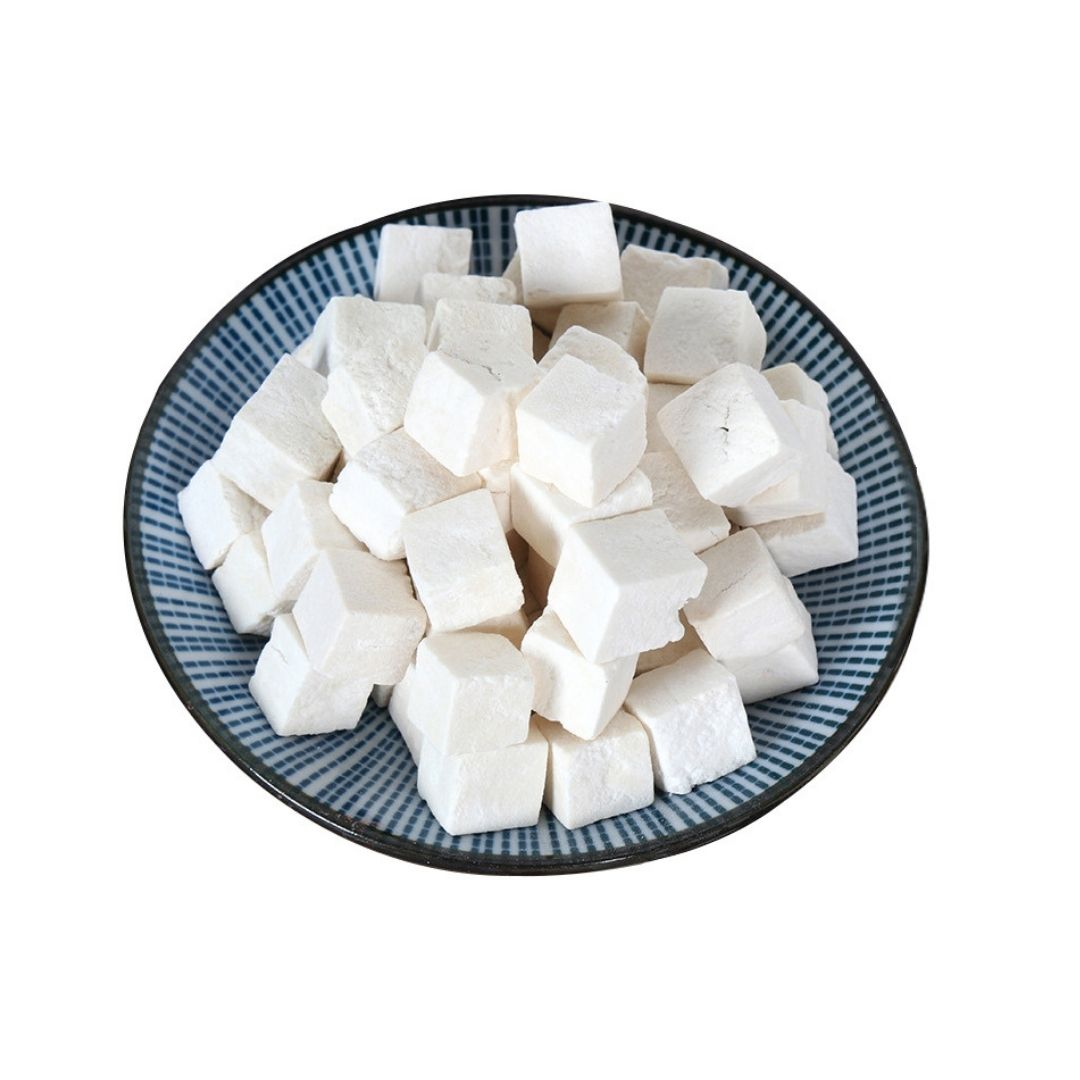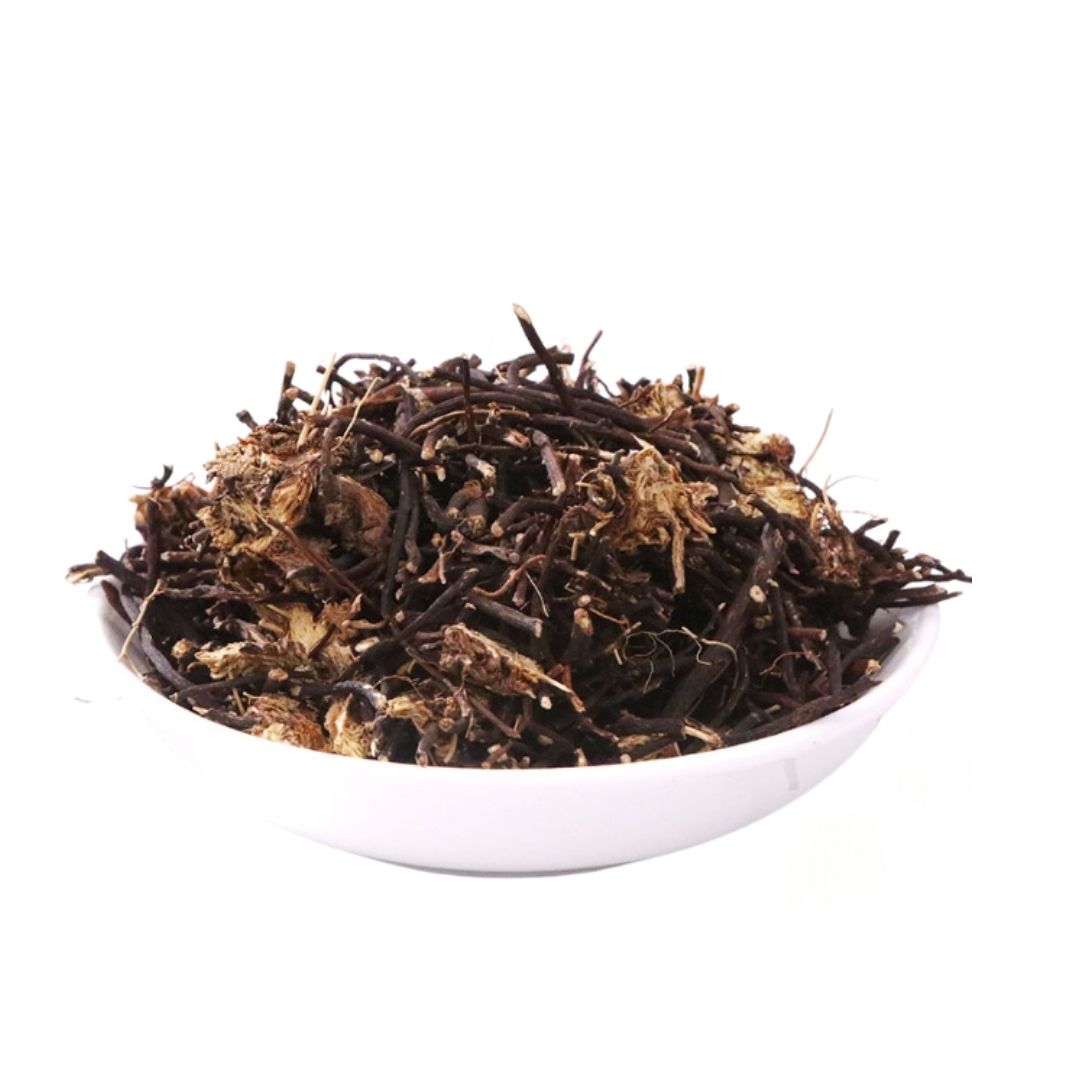


Product Introduction
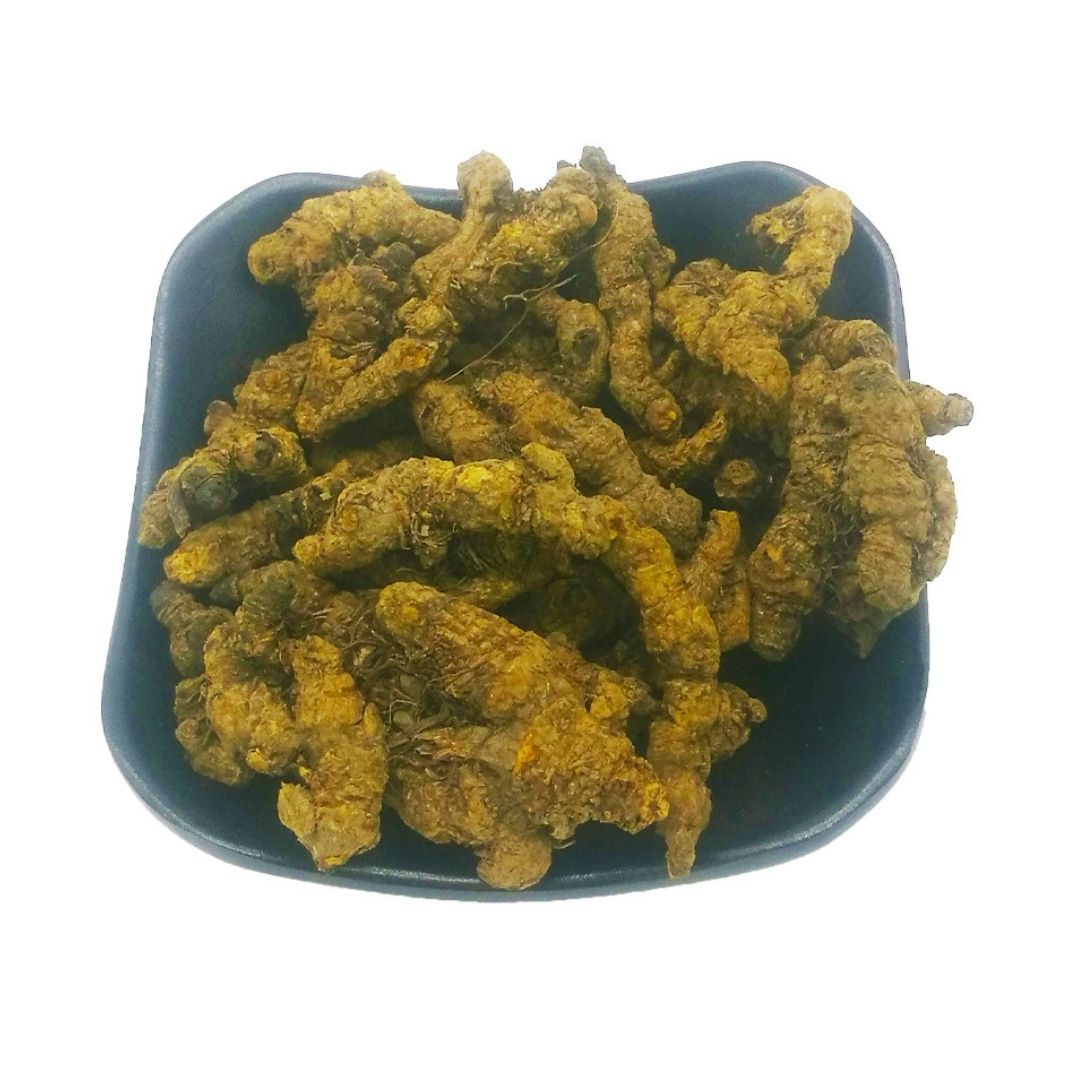
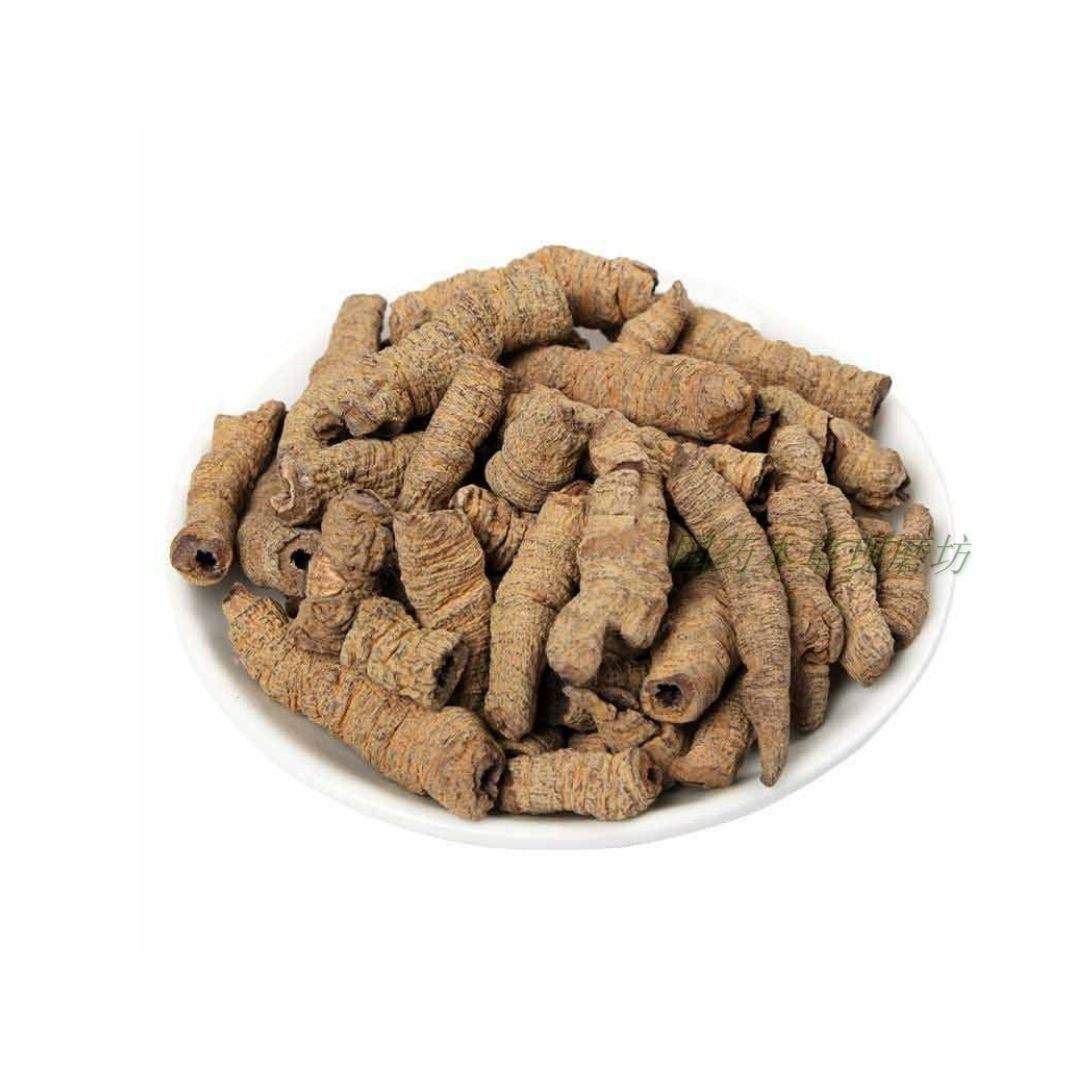
Chinese Clematis, known in Chinese medicine as Wei Ling Xian, refers to the dried roots and rhizomes of several Clematis species, primarily Clematis chinensis Osbeck, Clematis hexapetala Pall., and Clematis armandii Franch. This herb is well-regarded for its potent ability to dispel wind, eliminate dampness, and relieve pain, making it a valuable component in traditional herbal formulas. It mainly addresses conditions related to obstructions in the channels and collaterals, such as arthritis and neuralgia. It is also prescribed in cases about throat discomfort caused by accidental swallowing of fish bones.
Main Active Ingredients
The pharmacological activities of Chinese Clematis are attributed to its complex chemical composition. Triterpenoid saponins are among the most significant active components, which contribute to its anti-inflammatory and analgesic effects. Flavonoids are also present, providing antioxidant properties that support overall health. According to research, these compounds work synergistically to produce the therapeutic effects associated with this herb [1].
Product Application Scenarios, Usage, and Dosage
In traditional Chinese medicine, Chinese Clematis is often prescribed to treat wind-damp painful obstruction, characterized by pain, numbness, and stiffness in the joints and limbs. It can be used alone or in combination with other herbs to enhance its efficacy. The herb is also employed to address pain in the lower back and legs, as well as headaches attributed to wind-dampness. The typical dosage of Chinese Clematis is between 3 to 12 grams, usually administered in decoction form. It is sometimes ground into powder for direct consumption or made into medicinal wine for external application [2].
Introduction to the Source Plant, Distribution, and Growth Environment
Clematis chinensis is a perennial vine that belongs to the Ranunculaceae family. Clematis chinensis is found in various provinces of China, including Jiangsu, Anhui, Zhejiang, and Jiangxi. Clematis hexapetala is mainly distributed in northern China, while Clematis armandii is found in southern regions. These plants thrive in moist, well-drained soils and are often found in woodlands, thickets, and along streams [3].
Harvesting, Processing, and Storage
The roots and rhizomes of Chinese Clematis are usually harvested in the late autumn or early spring. After harvesting, the plant parts are cleaned, dried under the sun, and cut into sections. The dried herb should be stored in a well-ventilated, dry place to prevent mold and insect infestation. Proper storage ensures the herb retains its potency and therapeutic properties over an extended period [4].
Citations
[1] Zhu, Y., et al. "Chemical constituents and bioactivities of Clematis species." Chemistry Central Journal 12.1 (2018): 1-23.
[2] Chen, J. K., and T. T. Chen. Chinese Medical Herbology and Pharmacology. City of Industry, CA: Art of Medicine Press, 2004.
[3] Flora of China Editorial Committee. "Flora of China." Missouri Botanical Garden Press.
[4] Bensky, D., S. Clavey, and E. Stöger. Chinese Herbal Medicine: Materia Medica. 3rd ed. Seattle, WA: Eastland Press, 2004.
Mia Wu

Hi, I’m Mia Wu! I love helping customers discover the best natural ingredients for their products. With a passion for herbs, spices, and fungi, I work to make sure you get only the finest raw materials. Let's grow together! 🌱✨