
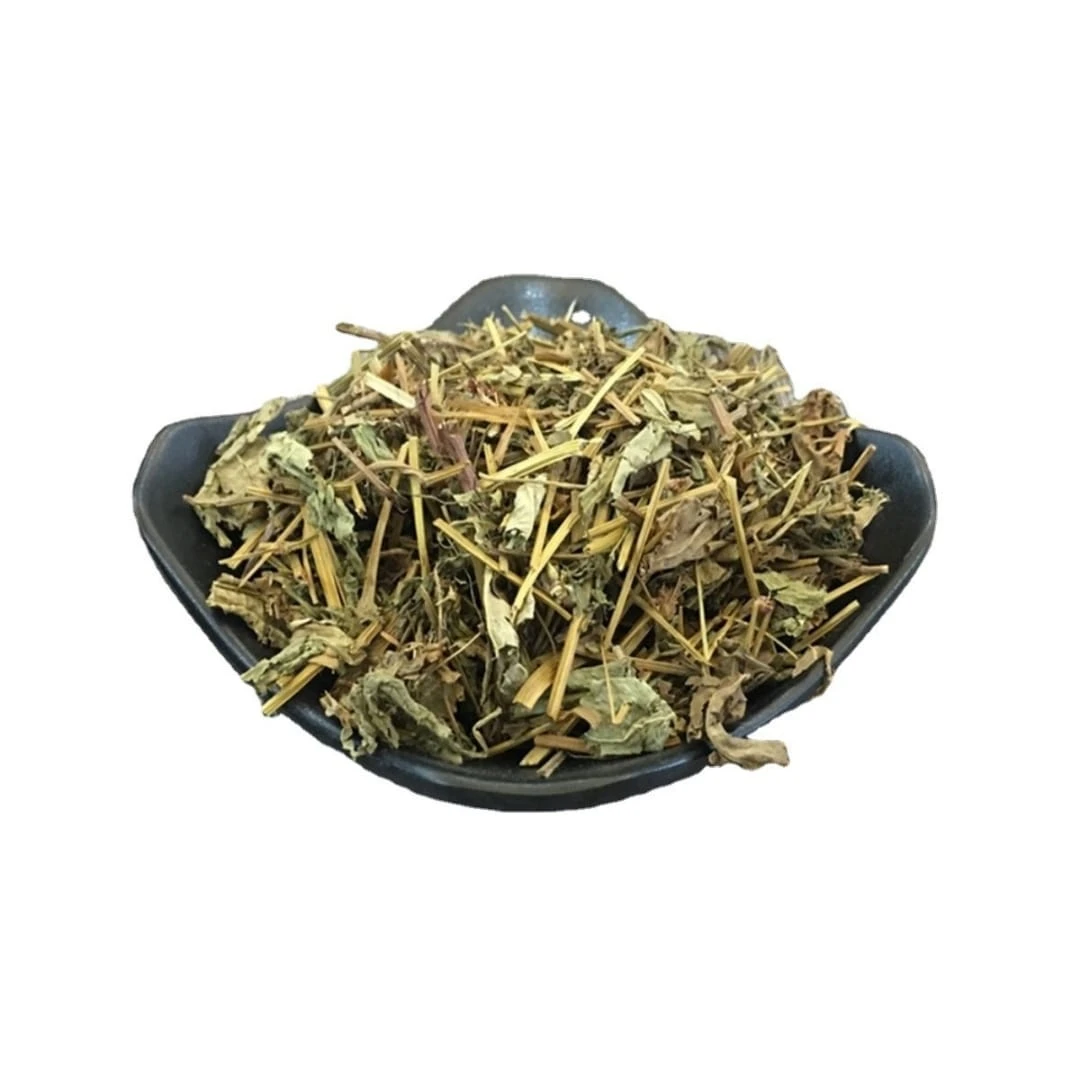


Product Introduction
Chickweed, scientifically known as Stellaria media, is a common plant found in many parts of the world. It's recognized for its nutritional properties and traditional uses in herbal medicine, offering a gentle approach to wellness.
Main Active Ingredients
The beneficial properties of chickweed are attributed to its various active constituents. These include vitamins and minerals, contributing to its nutritional profile. Saponins are also present, known for their potential effects on skin health. These compounds work together to provide chickweed's characteristic benefits.
Product Application Scenarios, Usage, and Dosage
Chickweed is versatile in its applications. It is often used in skincare for its soothing properties, addressing minor skin irritations. As a nutritive tonic, chickweed can be consumed as a tea or added to salads in small quantities. Traditional usage involves topical application or internal consumption, depending on the intended benefit. Dosage varies, but generally small amounts are recommended, especially when ingested.
Introduction to the Source Plant, Distribution, and Growth Environment
Stellaria media, the source of chickweed, is a widespread plant, commonly found in gardens, fields, and disturbed areas. It thrives in moist, fertile soils and can grow in both sunny and partially shaded conditions. This plant is known for its ability to adapt to various environments, contributing to its global distribution. The plant is characterized by its small, star-like white flowers and opposite leaves.
Harvesting, Processing, and Storage
The harvesting of chickweed typically occurs during the growing season when the plant is lush and green. The entire plant, including the stems and leaves, can be harvested. After harvesting, chickweed is often dried for later use. Proper drying involves spreading the plant material in a well-ventilated area away from direct sunlight. Once dried, it should be stored in an airtight container in a cool, dark, and dry place to preserve its properties.
Citations
- Duke, J. A. (2002). Handbook of medicinal herbs. CRC press.
- Foster, S., & Tyler, V. E. (1999). Tyler's honest herbal: A sensible guide to the use of herbs and related remedies. Psychology Press.
- Hoffmann, D. (2003). Medical herbalism: The science and practice of herbal medicine. Healing Arts Press.
Mia Wu

Hi, I’m Mia Wu! I love helping customers discover the best natural ingredients for their products. With a passion for herbs, spices, and fungi, I work to make sure you get only the finest raw materials. Let's grow together! 🌱✨







