

Product Introduction
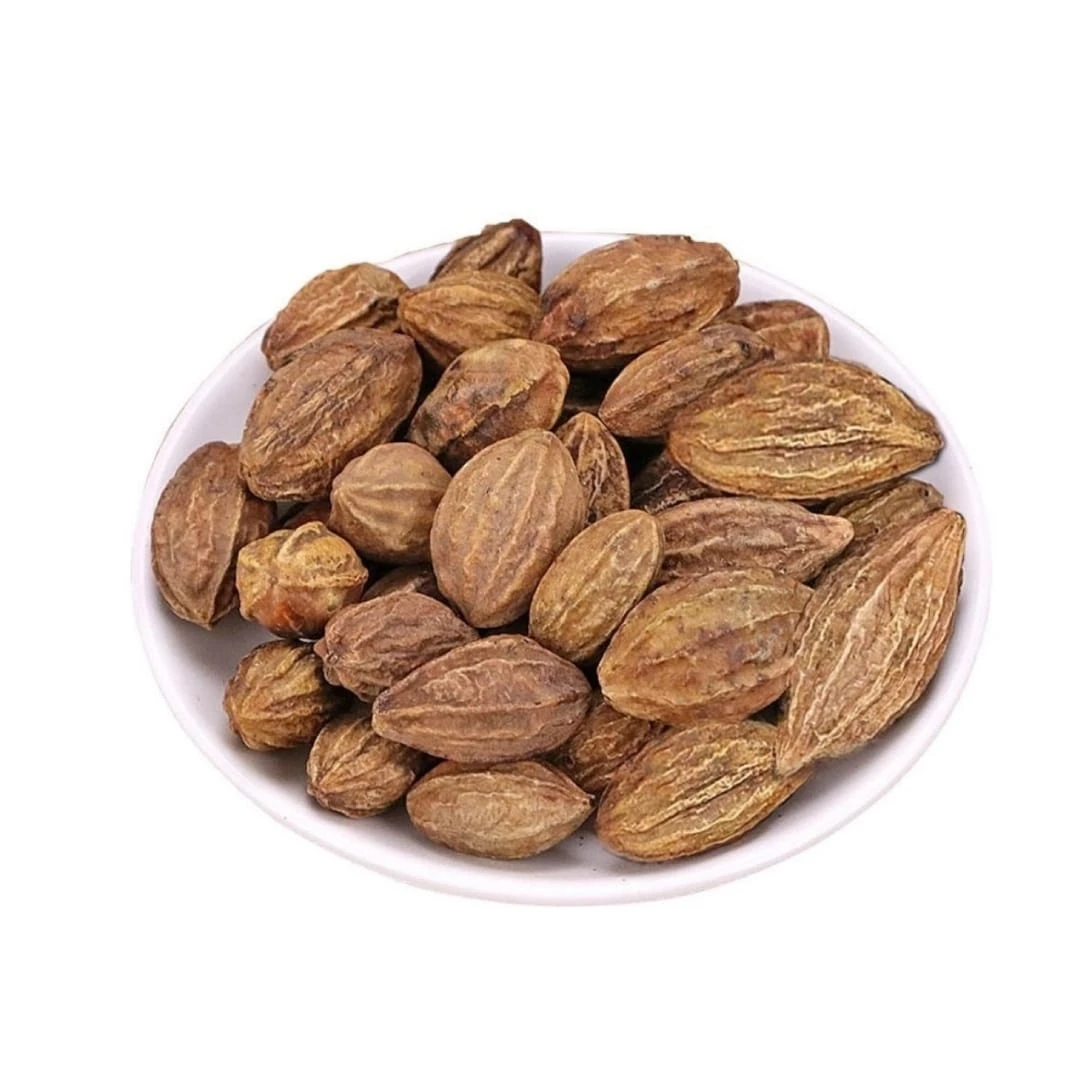
Chebulae Fructus, known in traditional Chinese medicine as 诃子 (He Zi), is derived from the dried ripe fruit of Terminalia chebula Retz. It is a valued herb for its medicinal properties, and is used to address various health conditions. The fruit is harvested when ripe, then dried and processed for medicinal use. Its unique combination of bitter, sour, and astringent tastes contributes to its therapeutic effects on the lung, large intestine, and stomach channels, making it a versatile component in herbal formulas.
Main Active Ingredients
The efficacy of Chebulae Fructus is attributed to its rich composition of active ingredients. Tannins are a major component, known for their astringent and anti-inflammatory properties. Chebulinic acid, a specific type of tannin found in this herb, contributes significantly to its therapeutic effects. In addition, ellagic acid, a polyphenol antioxidant, is present and supports its overall health benefits. These compounds work synergistically to deliver the medicinal effects associated with Chebulae Fructus.
Product Application Scenarios, Usage, and Dosage
Chebulae Fructus is applied in various clinical scenarios, primarily targeting respiratory and digestive ailments. It is commonly used to treat chronic coughs, where its astringent properties help to soothe irritated lung tissues and reduce excessive secretions. It is also employed to manage diarrhea, due to its ability to tighten the intestines and reduce fluid loss. Furthermore, it is used in cases of prolapse of the rectum, leveraging its astringent action to strengthen and support the affected area.
The typical dosage of Chebulae Fructus ranges from 3 to 9 grams per day. It is often administered as a decoction, where the herb is boiled in water, and the resulting liquid is consumed. It can also be incorporated into herbal formulas in conjunction with other herbs to enhance its effects or address specific conditions.
Introduction to the Source Plant, Distribution, and Growth Environment
Terminalia chebula Retz., the source plant of Chebulae Fructus, is a deciduous tree belonging to the Combretaceae family. This tree is native to South Asia, including regions of India, Nepal, and southern China. It thrives in tropical and subtropical environments, typically found in forests and hilly areas.
The tree prefers well-drained soils and a warm, humid climate. It typically grows to a height of 20 to 30 meters, characterized by its oval-shaped leaves and small, yellowish-white flowers. The fruit is a drupe, which turns from green to yellowish-brown upon ripening, and exhibits a hard, wrinkled surface.
Harvesting, Processing, and Storage
The harvesting of Chebulae Fructus occurs when the fruits are fully ripe, usually in the autumn. The ripe fruits are collected, and then dried either in the sun or through artificial drying methods to reduce their moisture content. Proper drying is essential to prevent spoilage and preserve the medicinal properties of the herb.
After drying, the fruits are often processed further by steaming or stir-frying to enhance their therapeutic effects and reduce any potential toxicity. The processed Chebulae Fructus is then stored in a cool, dry, and well-ventilated place. It should be protected from moisture, light, and pests to maintain its quality and potency over time. Proper storage ensures that the herb remains effective for its intended medicinal applications.
Citations:
- https://www.sciencedirect.com/topics/pharmacology-toxicology-and-pharmaceutical-science/terminalia-chebula
- https://www.ncbi.nlm.nih.gov/pmc/articles/PMC5623729/
- https://www.webmd.com/vitamins/ai/ingredientmono-1335/chebulic-myrobalan
Mia Wu

Hi, I’m Mia Wu! I love helping customers discover the best natural ingredients for their products. With a passion for herbs, spices, and fungi, I work to make sure you get only the finest raw materials. Let's grow together! 🌱✨