

Product Introduction
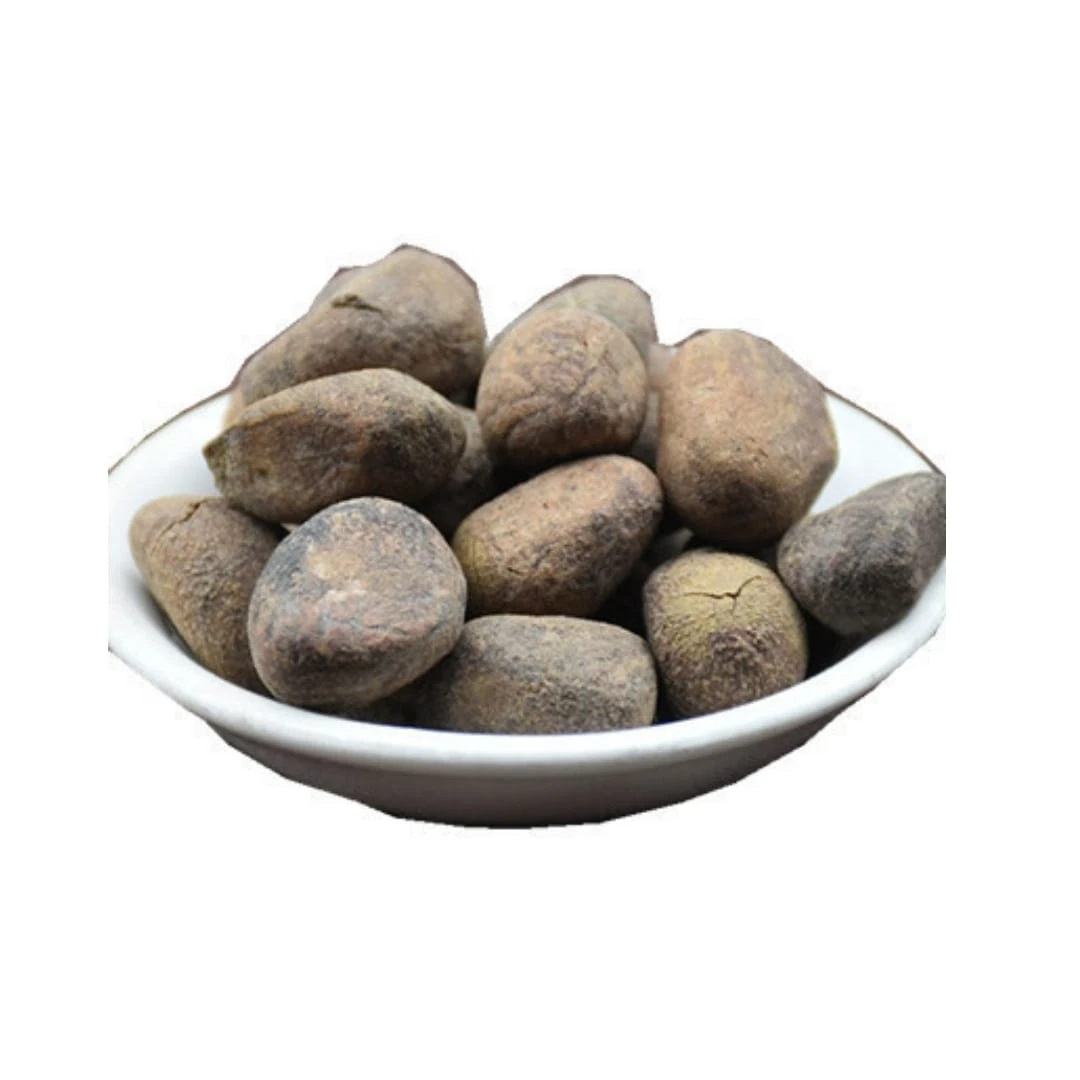
Chaulmoogratree seed, derived from the Hydnocarpus wightianus tree, has a history of use in traditional medicine. The seeds are known for their unique oil composition, particularly the presence of chaulmoogric acid, hydnocarpic acid, and gorlic acid. These components have been studied for their potential therapeutic properties, especially concerning skin-related conditions. The oil extracted from the seeds has been utilized both topically and internally, depending on the specific traditional practice. Its application is rooted in historical uses across various cultures where the tree is native.
Main Active Ingredients
The primary active ingredients in chaulmoogratree seed are chaulmoogric acid, hydnocarpic acid, and gorlic acid. Chaulmoogric acid is a cyclic fatty acid that is considered the most significant component responsible for the seed's traditional uses. Hydnocarpic acid shares similar structural characteristics and contributes to the overall therapeutic profile. Gorlic acid, while also present, is typically found in lesser quantities compared to the other two. These fatty acids are believed to exert their effects through various mechanisms, potentially including antimicrobial and anti-inflammatory actions, according to traditional uses.
Product Application Scenarios, Usage, and Dosage
Traditionally, chaulmoogratree seed and its oil extract have been applied in scenarios involving skin disorders. Usage varied, encompassing both topical applications directly on the skin and internal consumption in specific traditional formulations. Dosage depended heavily on the condition being addressed, the individual's constitution, and the specific practices of the herbalist or traditional healer. Modern applications, if any, should be approached with caution, and appropriate guidance from qualified healthcare professionals should be sought. Historical internal dosages were carefully regulated due to potential side effects, and external application usually involved diluting the oil with other carrier oils.
Introduction to the Source Plant, Distribution, and Growth Environment
The source plant, Hydnocarpus wightianus, is a tree native to the tropical regions of South Asia, particularly India. It is typically found in moist, evergreen forests, thriving in environments with high rainfall and humidity. The tree can grow to a substantial size, characterized by its large leaves and round fruits containing the sought-after seeds. Its distribution is largely confined to specific geographical areas where the climatic conditions support its growth. The tree requires a stable, warm climate with consistent moisture levels to flourish, contributing to its localized presence.
Harvesting, Processing, and Storage
Harvesting chaulmoogratree seeds traditionally involves collecting the ripe fruits from the tree. The seeds are then extracted from the fruit pulp and dried. Processing may include crushing or grinding the seeds to facilitate oil extraction. The oil can be extracted through various methods, including cold pressing or solvent extraction. Proper storage is crucial to maintain the quality and efficacy of the seeds and oil. It should be kept in a cool, dry place, away from direct sunlight and moisture, to prevent rancidity and degradation of the active compounds, ensuring it remains effective for its intended uses.
Mia Wu

Hi, I’m Mia Wu! I love helping customers discover the best natural ingredients for their products. With a passion for herbs, spices, and fungi, I work to make sure you get only the finest raw materials. Let's grow together! 🌱✨