
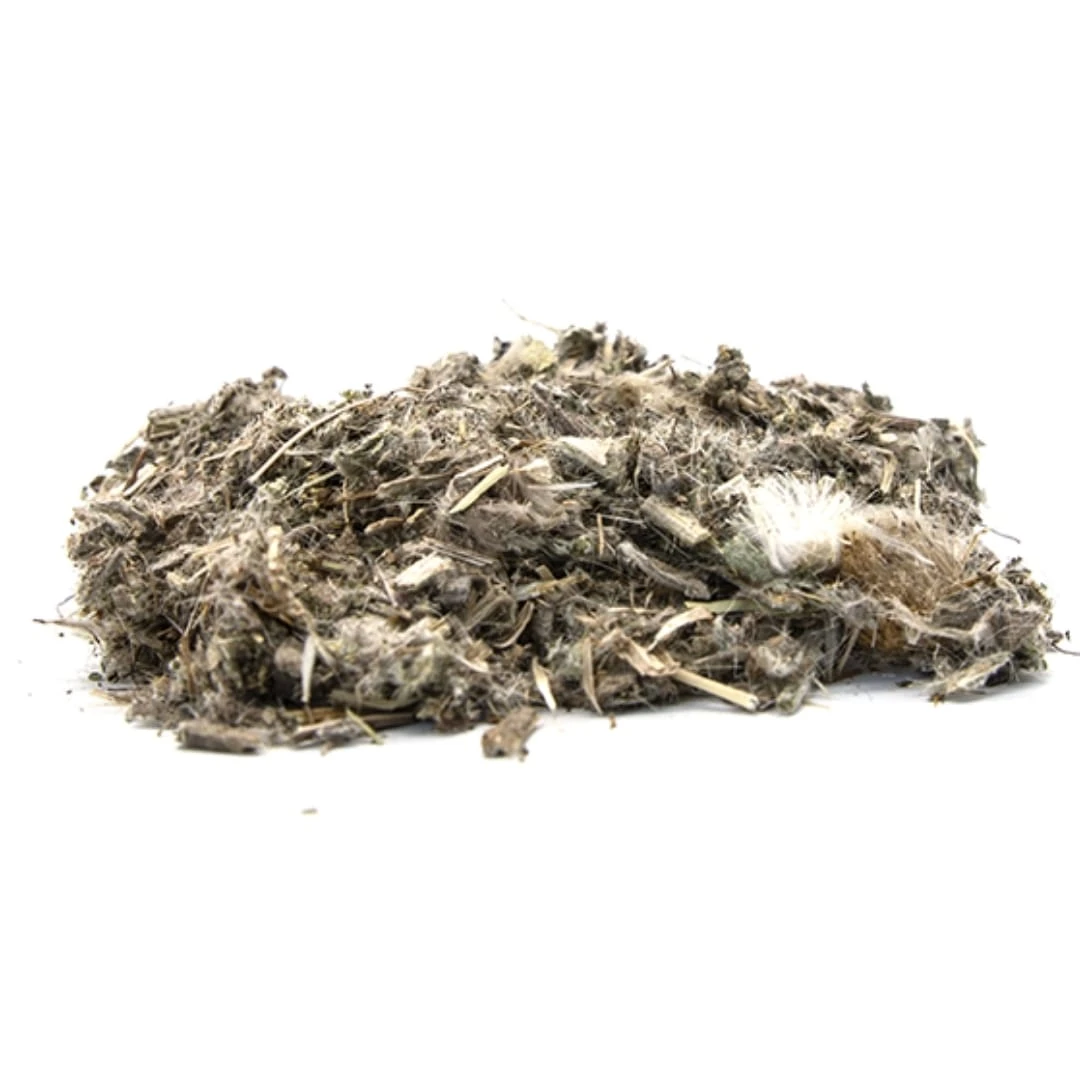


Product Introduction
Centaurea benedicta, commonly known as blessed thistle, is an annual plant belonging to the Asteraceae family. It has a long history of use in traditional European medicine, particularly as a digestive aid and general tonic. The plant typically grows to a height of about 2 feet and features spiny leaves and yellow flower heads. It is often found in dry, sunny locations.
Main Active Ingredients
The herb's therapeutic properties are largely attributed to its sesquiterpene lactones, especially cnicin, which is known for its bitter taste and is believed to stimulate digestion by promoting the secretion of gastric juices. Other constituents include volatile oils, flavonoids, and tannins, which may contribute to its overall effects. [1]
Product Application Scenarios, Usage, and Dosage
Centaurea benedicta is frequently used to support digestive health. It is used to stimulate appetite and alleviate indigestion. The herb is available in various forms, including dried herb, capsules, and liquid extracts. Traditional usage involves preparing an infusion by steeping the dried herb in hot water. Dosage recommendations vary, but typical preparations involve using 1-2 grams of the dried herb per cup of water, taken before meals. Consult with a healthcare professional for specific dosage guidelines. [2]
Introduction to the Source Plant, Distribution, and Growth Environment
Centaurea benedicta is native to the Mediterranean region, and it has been naturalized in various parts of Europe and North America. The plant prefers dry, sunny habitats, such as fields and roadsides. It thrives in well-drained soil and is relatively easy to cultivate, making it accessible for both commercial and home gardens. [3]
Harvesting, Processing, and Storage
The herb is typically harvested during the flowering period, when the active compounds are at their peak concentration. The entire plant, including the leaves, stems, and flowers, can be harvested. After harvesting, the plant material is dried in a well-ventilated area, away from direct sunlight, to preserve its medicinal properties. Once dried, it should be stored in airtight containers in a cool, dry place to prevent degradation. [4]
Citations:
[1] Duke, J. A. (2002). Handbook of Medicinal Herbs. CRC press.
[2] Hoffmann, D. (2003). Medical Herbalism: The Science and Practice of Herbal Medicine. Healing Arts Press.
[3] Grieve, M. (1931). A Modern Herbal. Harcourt, Brace & Company.
[4] Chevallier, A. (2016). Encyclopedia of Herbal Medicine. DK Publishing.
Mia Wu

Hi, I’m Mia Wu! I love helping customers discover the best natural ingredients for their products. With a passion for herbs, spices, and fungi, I work to make sure you get only the finest raw materials. Let's grow together! 🌱✨







