


Product Introduction
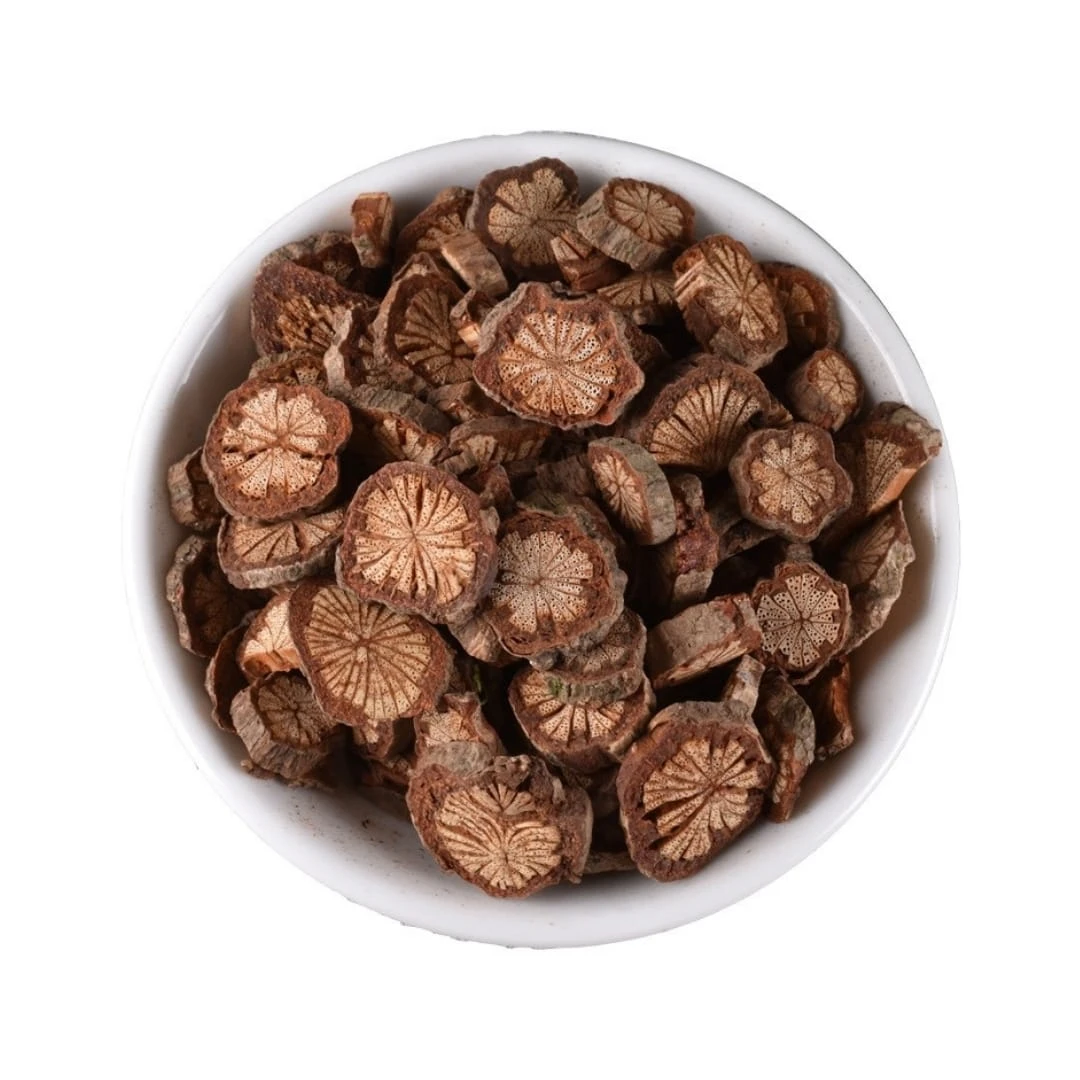
Caulis Sargentodoxae, commonly known as Hongteng, is a traditional Chinese medicine derived from the dried stems of Sargentodoxa cuneata. This woody vine is valued for its medicinal properties, particularly in treating conditions related to blood stasis and inflammation. In traditional practice, it addresses various ailments from dysmenorrhea to appendicitis due to its purported ability to invigorate blood and resolve toxins. The herb is often prepared in decoctions or used as an ingredient in herbal formulations, serving as a significant component in traditional Chinese therapeutic approaches.
Main Active Ingredients
The therapeutic effects of Caulis Sargentodoxae are attributed to its complex chemical composition. Key active ingredients include flavonoids, which contribute to its antioxidant and anti-inflammatory properties. Phenols, another significant component, enhance its capacity to scavenge free radicals and protect cells from oxidative damage. Organic acids present in the herb may also play a role in its pharmacological activities, potentially contributing to its analgesic and anti-inflammatory effects. Further research continues to explore the specific contributions of each compound to the overall efficacy of this herb.
Product Application Scenarios, Usage, and Dosage
Caulis Sargentodoxae is commonly applied in scenarios involving inflammatory and pain-related conditions. For instance, it may be used to treat appendicitis by clearing heat and resolving toxins, as well as to address dysmenorrhea by promoting blood circulation and alleviating pain. The typical dosage of Caulis Sargentodoxae involves decocting 9 to 15 grams of the dried stem in water. The resulting liquid is then consumed orally. Dosage adjustments are sometimes necessary and can be dictated by the practitioner, based on the patient's specific condition and response to the herb.
Introduction to the Source Plant, Distribution, and Growth Environment
Sargentodoxa cuneata is a deciduous climbing vine belonging to the family Lardizabalaceae. The plant is characterized by its woody stems and alternate, compound leaves. The species is native to China and is distributed across various provinces, including Shaanxi, Henan, and Hubei. It typically grows in mountainous regions and forest edges, thriving in environments with sufficient sunlight and well-drained soils. Its adaptability to diverse terrains contributes to its widespread distribution across China.
Harvesting, Processing, and Storage
The harvest of Caulis Sargentodoxae typically occurs in the autumn and winter seasons. After harvesting, the stems are cut into sections and dried, either in the sun or through artificial drying methods. Proper drying is crucial to prevent mold growth and preserve the herb’s active constituents. Post-drying, Caulis Sargentodoxae should be stored in a cool, dry place with adequate ventilation. It should be protected from moisture and direct sunlight to maintain its potency and prevent deterioration.
Citations
- China Pharmacopoeia Commission. (2020). Pharmacopoeia of the People's Republic of China. China Medical Science and Technology Press.
- Liao, Y., Zhang, M., & Fan, H. (2018). Chemical constituents and bioactivities of Sargentodoxa cuneata: A review. Journal of Ethnopharmacology, 210, 323-338.
- Xu, L., et al. (2019). Anti-inflammatory effects of Caulis Sargentodoxae extract on LPS-induced RAW264.7 macrophages. BMC Complementary and Alternative Medicine, 19(1), 145.
Mia Wu

Hi, I’m Mia Wu! I love helping customers discover the best natural ingredients for their products. With a passion for herbs, spices, and fungi, I work to make sure you get only the finest raw materials. Let's grow together! 🌱✨







