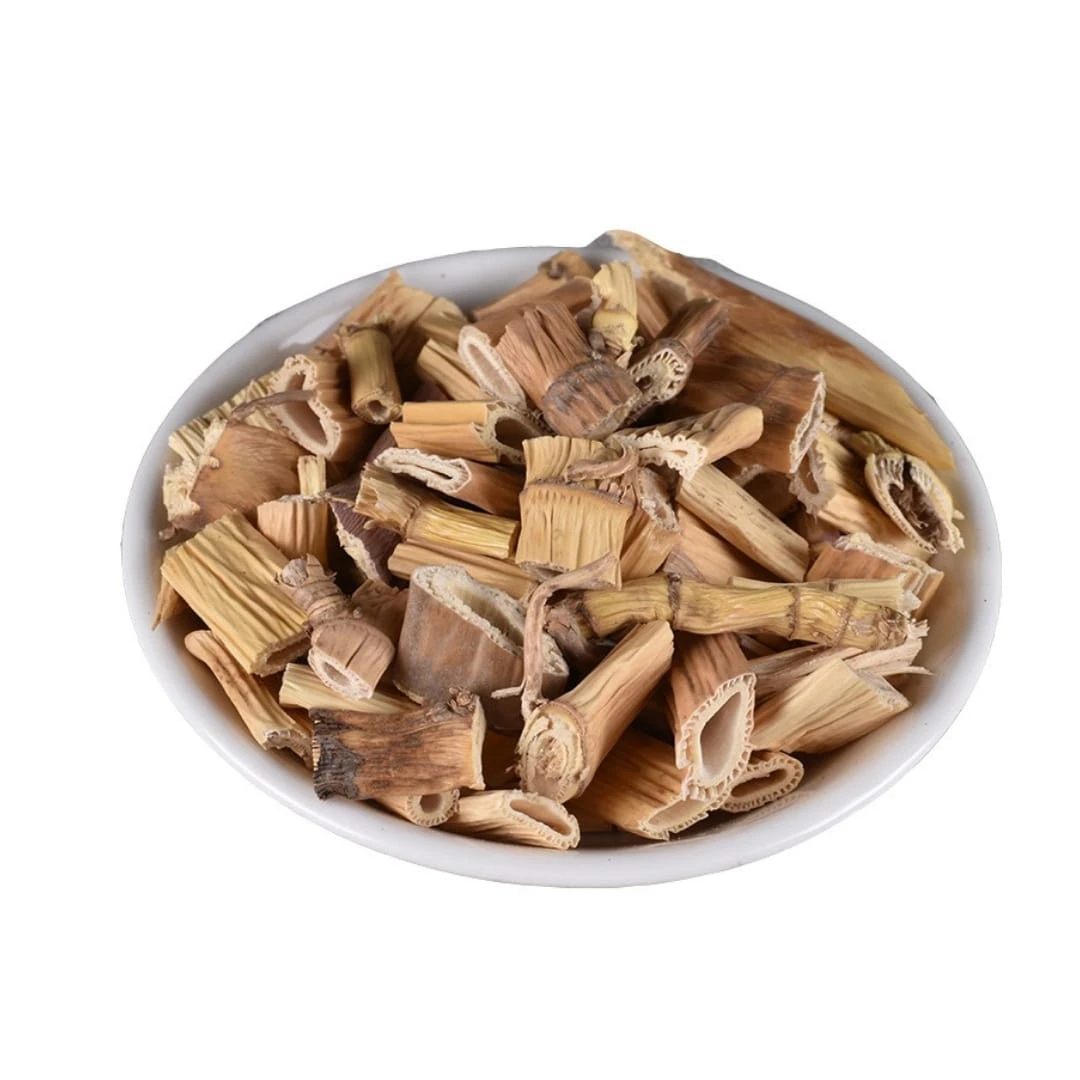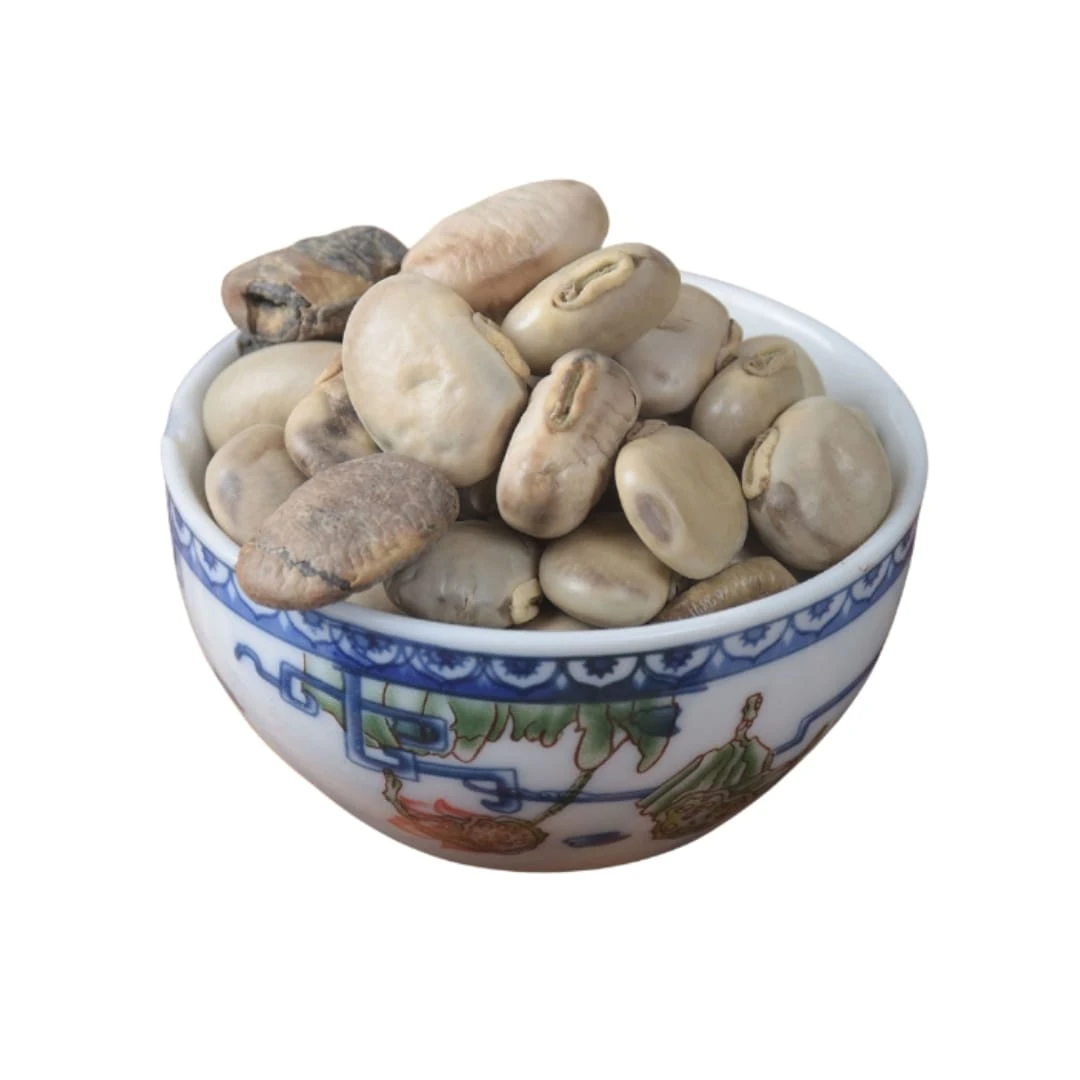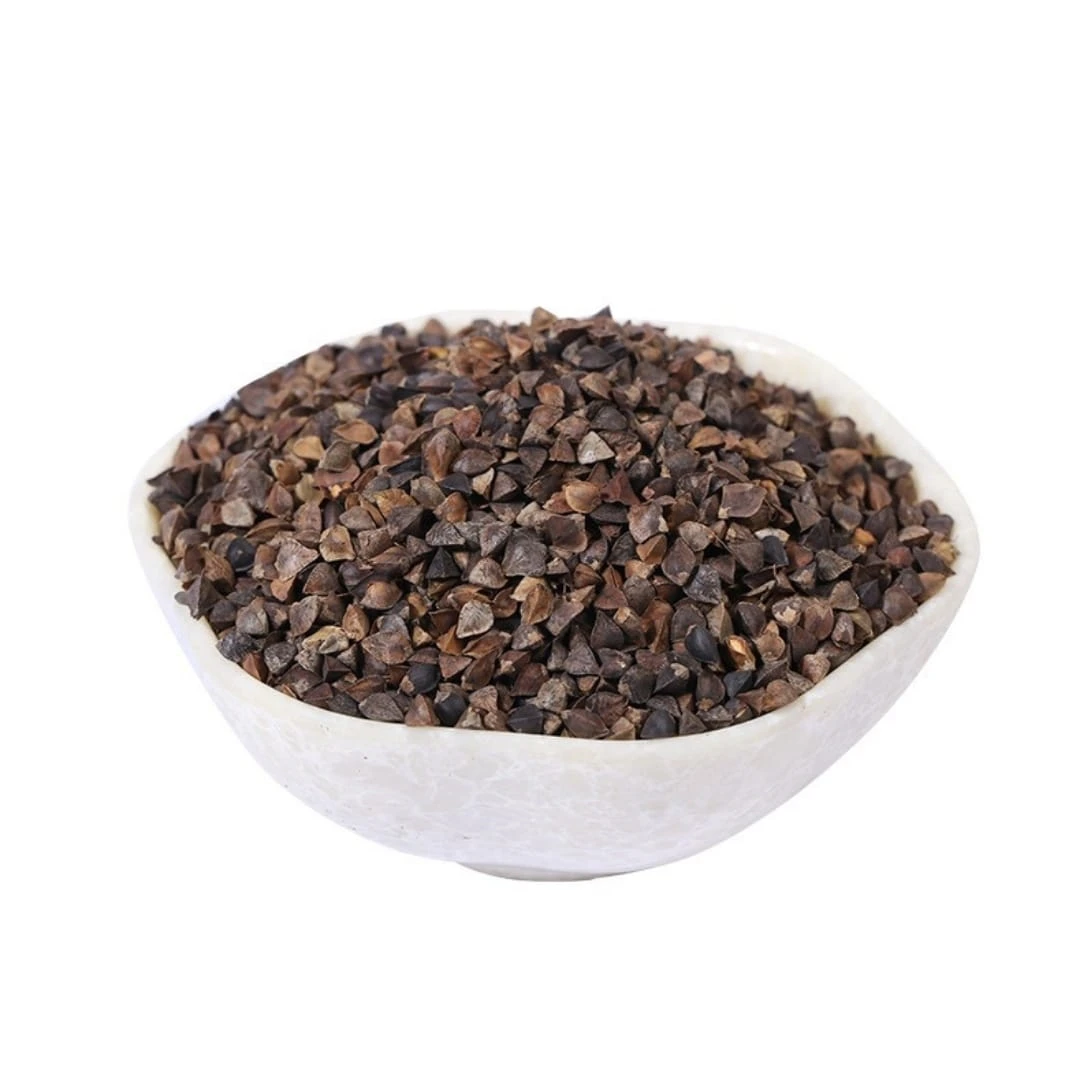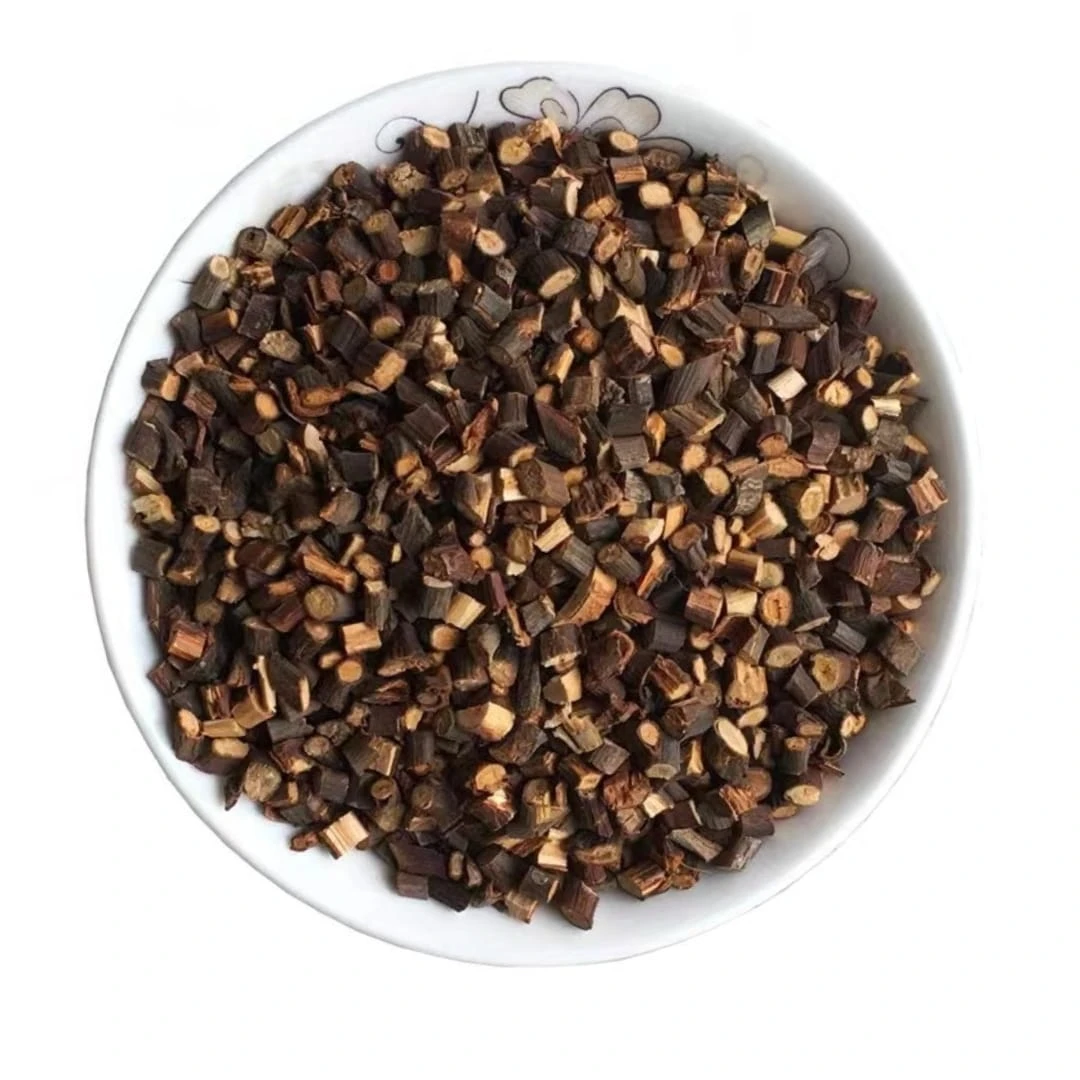


Product Introduction
Cassia Twig, known in Chinese as Guizhi, is a commonly used herb in traditional Chinese medicine. It is derived from the cinnamon tree and is valued for its medicinal properties. The herb is often used to address conditions related to cold and stagnation in the body.
Main Active Ingredients
The primary active components in Cassia Twig include cinnamaldehyde, cinnamic acid, and various volatile oils [1]. These compounds contribute to its therapeutic effects, such as warming and analgesic properties. Cinnamaldehyde, in particular, is responsible for the characteristic aroma and flavor of cinnamon.
Product Application Scenarios, Usage, and Dosage
Cassia Twig is frequently used to treat conditions such as the common cold, joint pain, and menstrual discomfort [2]. It is often prescribed for patients who experience symptoms that worsen with cold exposure. The typical dosage is 3 to 9 grams, usually administered in decoction [3]. It can be used alone or in combination with other herbs to enhance its effects.
Introduction to the Source Plant, Distribution, and Growth Environment
Cinnamomum cassia is an evergreen tree native to Southeast Asia, particularly regions of China and Vietnam [4]. The tree grows best in warm, humid climates with well-drained soil. It is cultivated for its bark, which is the source of cinnamon spice, as well as for its twigs, which are used medicinally.
Harvesting, Processing, and Storage
The twigs are typically harvested in the spring and summer [5]. After harvesting, they are dried in the sun or in a well-ventilated area until they are brittle. The dried twigs are then cut into thin slices before being used in herbal preparations. Proper storage involves keeping the herb in a cool, dry place to prevent mold and maintain its potency [6].
Citations:
[1] Zhang, H., et al. "Chemical composition and bioactivities of essential oil from Cinnamomum cassia." Industrial Crops and Products 41 (2013): 269-273.
[2] Chen, J. K., and T. T. Chen. Chinese Medical Herbology and Pharmacology. City of Industry, CA: Art of Medicine Press, 2004.
[3] Bensky, D., S. Clavey, and E. Stöger. Chinese Herbal Medicine: Materia Medica. 3rd ed. Seattle, WA: Eastland Press, 2004.
[4] Ravindran, P. N., et al. Cinnamon and Cassia: The Genus Cinnamomum. Boca Raton, FL: CRC Press, 2007.
[5] Li, L., et al. "Optimization of microwave-assisted extraction of essential oil from Cinnamomum cassia Presl." Journal of Food Engineering 93, no. 3 (2009): 329-334.
[6] Zhao, Z., et al. "The authentication of Chinese medicinal materials." Journal of Ethnopharmacology 111, no. 1 (2007): 1-20.
Mia Wu

Hi, I’m Mia Wu! I love helping customers discover the best natural ingredients for their products. With a passion for herbs, spices, and fungi, I work to make sure you get only the finest raw materials. Let's grow together! 🌱✨