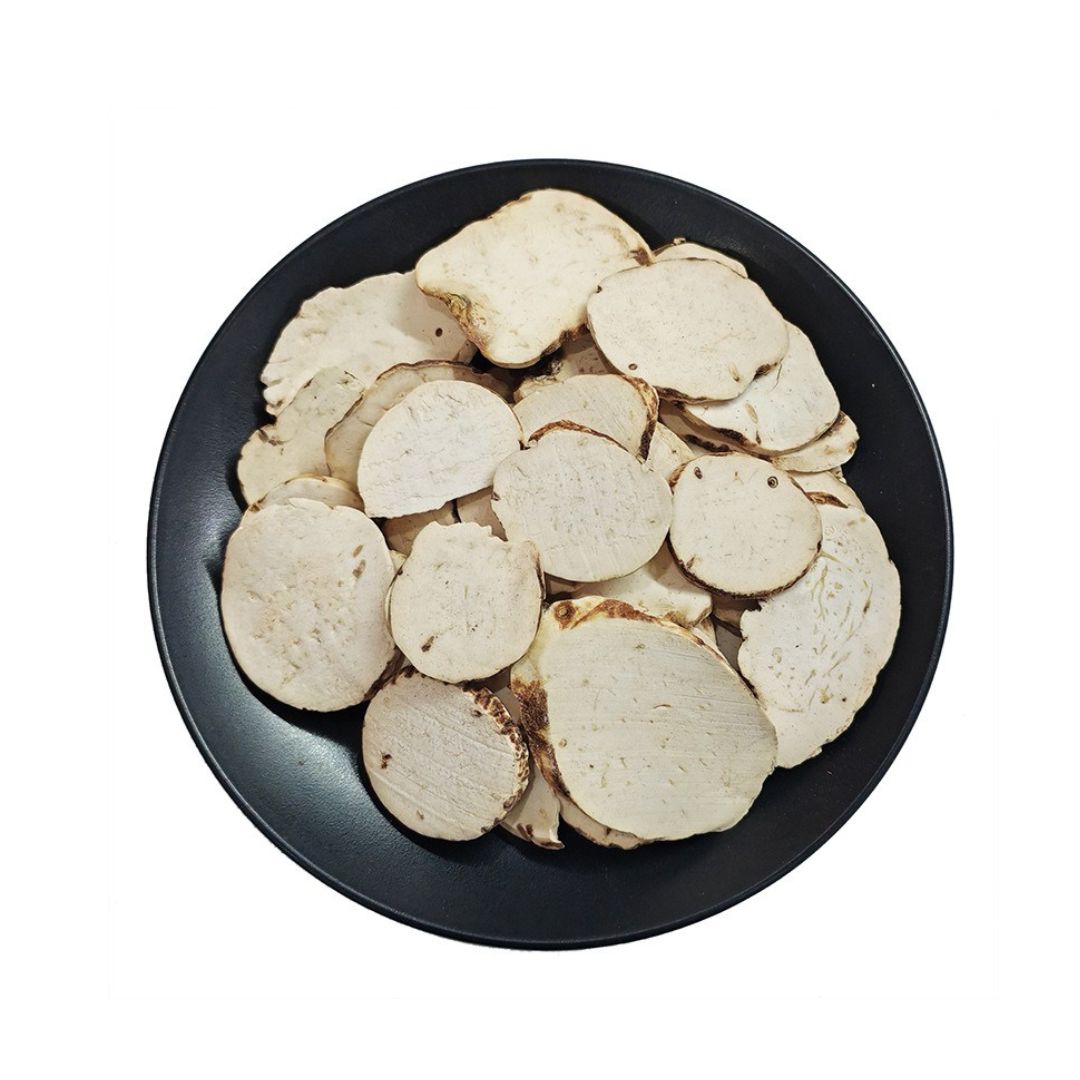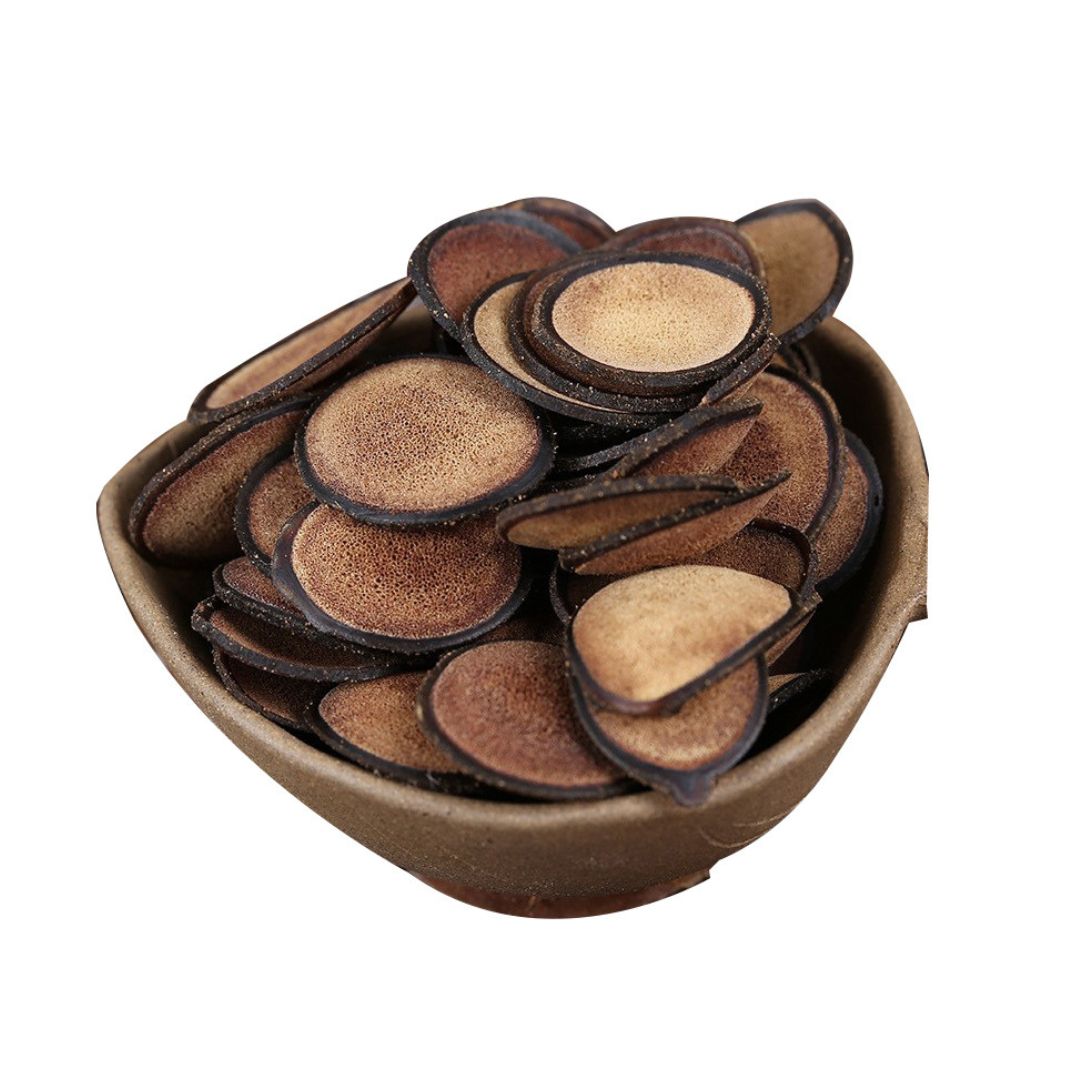


Product Introduction
Cartilaginous substances, commonly sourced from animal cartilage, are utilized in various health supplements. These supplements are designed to support joint health and overall wellness. The composition of cartilaginous products includes essential components such as collagen and glycosaminoglycans, which are believed to play a crucial role in maintaining the structural integrity of cartilage in the body. The processing methods can vary; however, the goal remains to preserve the bioactive compounds present in the original cartilage material.
Main Active Ingredients
The primary active ingredients in cartilaginous products include collagen and glycosaminoglycans (GAGs). Collagen is a fibrous protein that provides strength and elasticity to cartilage. Glycosaminoglycans, such as chondroitin sulfate, are essential for cartilage hydration and resilience. These components work synergistically to support joint function. Collagen aids in the structural framework of the cartilage, while GAGs help retain water. Maintaining the cushioning properties of the joint can help reduce friction and discomfort. Additional components may include minerals and other proteins that contribute to the overall nutritional profile of the supplement.
Product Application Scenarios, Usage, and Dosage
Cartilaginous products are primarily used to support joint health, particularly in individuals experiencing age-related cartilage degradation or joint discomfort. Application scenarios include dietary supplements for those with osteoarthritis or athletes. The usage typically involves oral administration in capsule or powder form. The dosage varies depending on the specific product and the individual's needs, however, typical dosages range from 500mg to 1500mg per day. It is often recommended to divide the daily dosage into multiple administrations to enhance absorption and effectiveness. Consulting with a healthcare professional is advisable to determine the appropriate dosage and usage for individual health conditions.
Introduction to the Source Plant, Distribution, and Growth Environment
Cartilaginous products are not derived from plants. Instead, they come from animal sources, primarily sharks, cows, and pigs. Shark cartilage is sourced from various shark species found in oceans worldwide, with harvesting practices varying by region and sustainability regulations. Bovine cartilage is obtained from cows raised in agricultural settings, commonly from slaughterhouses as a byproduct of meat production. Porcine cartilage comes from pigs raised in similar agricultural environments. The growth environment of these animals significantly impacts the quality of the cartilage. Ethical considerations and sustainable sourcing practices are important factors in obtaining high-quality cartilaginous materials.
Harvesting, Processing, and Storage
The harvesting of cartilage varies depending on the animal source. For shark cartilage, it involves collecting cartilage from sharks after they have been caught, with attention to sustainable fishing practices. Bovine and porcine cartilage are typically harvested from slaughterhouses. The processing of cartilage involves several steps, including cleaning, defatting, and drying to remove moisture. The dried cartilage is then ground into a powder or processed further to extract specific components such as collagen and chondroitin sulfate. Advanced processing techniques may include enzymatic hydrolysis to improve bioavailability. Proper storage is essential to maintain the quality of the final product, requiring cool, dry conditions away from direct light and moisture to prevent degradation and maintain the integrity of the active ingredients.
Citations
- Anderson, J. W., et al. "Health implications of dietary fiber." Nutrition Reviews 56.1 (1998): 1-18.
- Bauer, D. C. "Structural changes of cartilage in osteoarthritis." Annals of the Rheumatic Diseases 62.1 (2003): 1-3.
- Bolland, M. J., et al. "Calcium supplements with or without vitamin D and risk of cardiovascular events: reanalysis of the Women's Health Initiative limited access dataset and meta-analysis." BMJ 342 (2011): c1475.
- Clegg, D. O., et al. "Glucosamine, chondroitin sulfate, and the two in combination for painful knee osteoarthritis." New England Journal of Medicine 354.8 (2006): 795-808.
- Fox, B. A., and A. K. Storer. "An overview of osteoarthritis." Journal of Orthopaedic & Sports Physical Therapy 33.5 (2003): 288-292.
- ন্যাশনাল সেন্টার ফর কমপ্লিমেন্টারি অ্যান্ড ইন্টিগ্রেটিভ হেলথ (NCCIH). "Glucosamine and Chondroitin for Osteoarthritis." https://www.nccih.nih.gov/health/glucosamine-and-chondroitin-for-osteoarthritis Accessed July 3, 2024.
- ন্যাশনাল ইনস্টিটিউট অফ হেলথ (NIH). "Osteoarthritis." https://www.niams.nih.gov/health-topics/osteoarthritis Accessed July 3, 2024.
Mia Wu

Hi, I’m Mia Wu! I love helping customers discover the best natural ingredients for their products. With a passion for herbs, spices, and fungi, I work to make sure you get only the finest raw materials. Let's grow together! 🌱✨