

Product Introduction
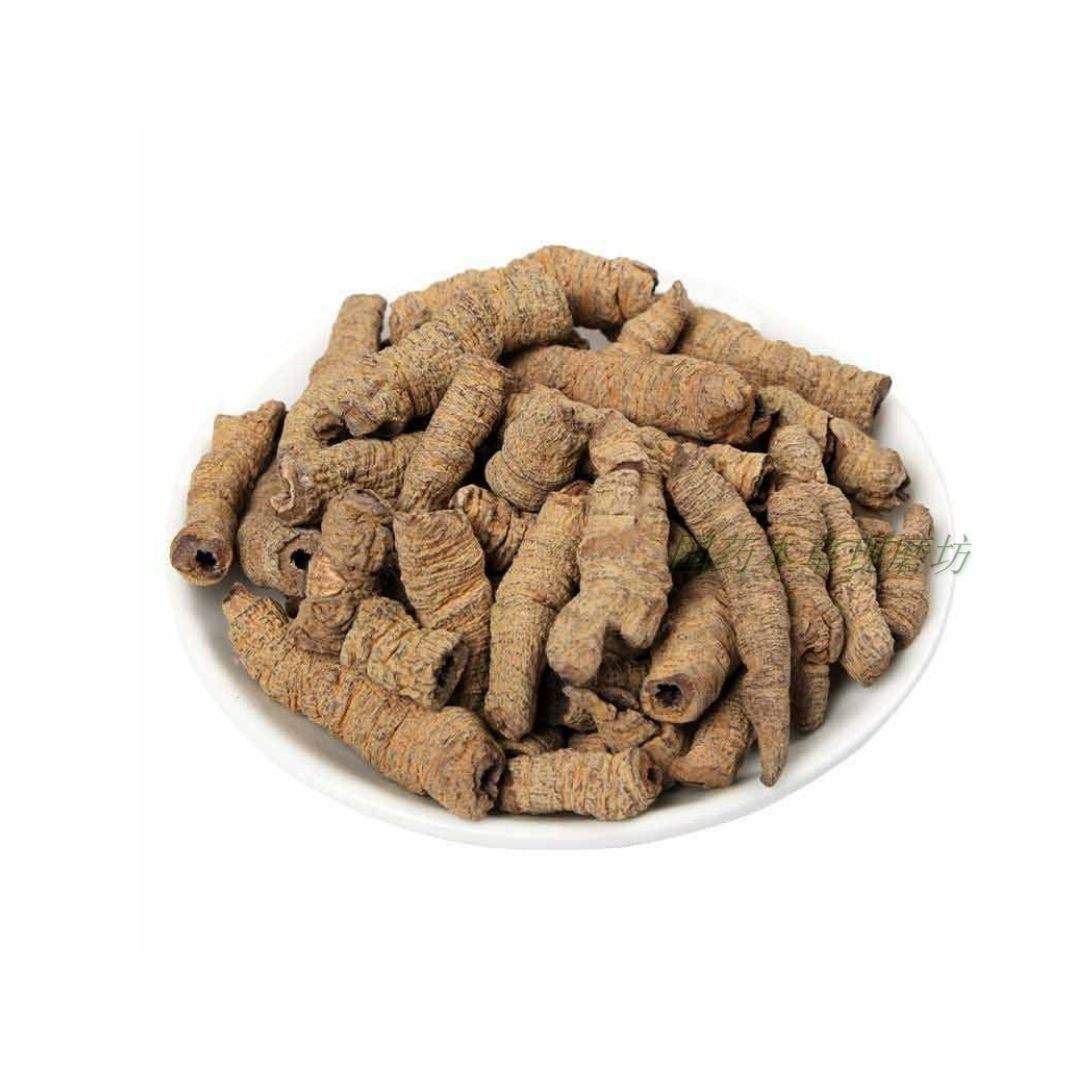
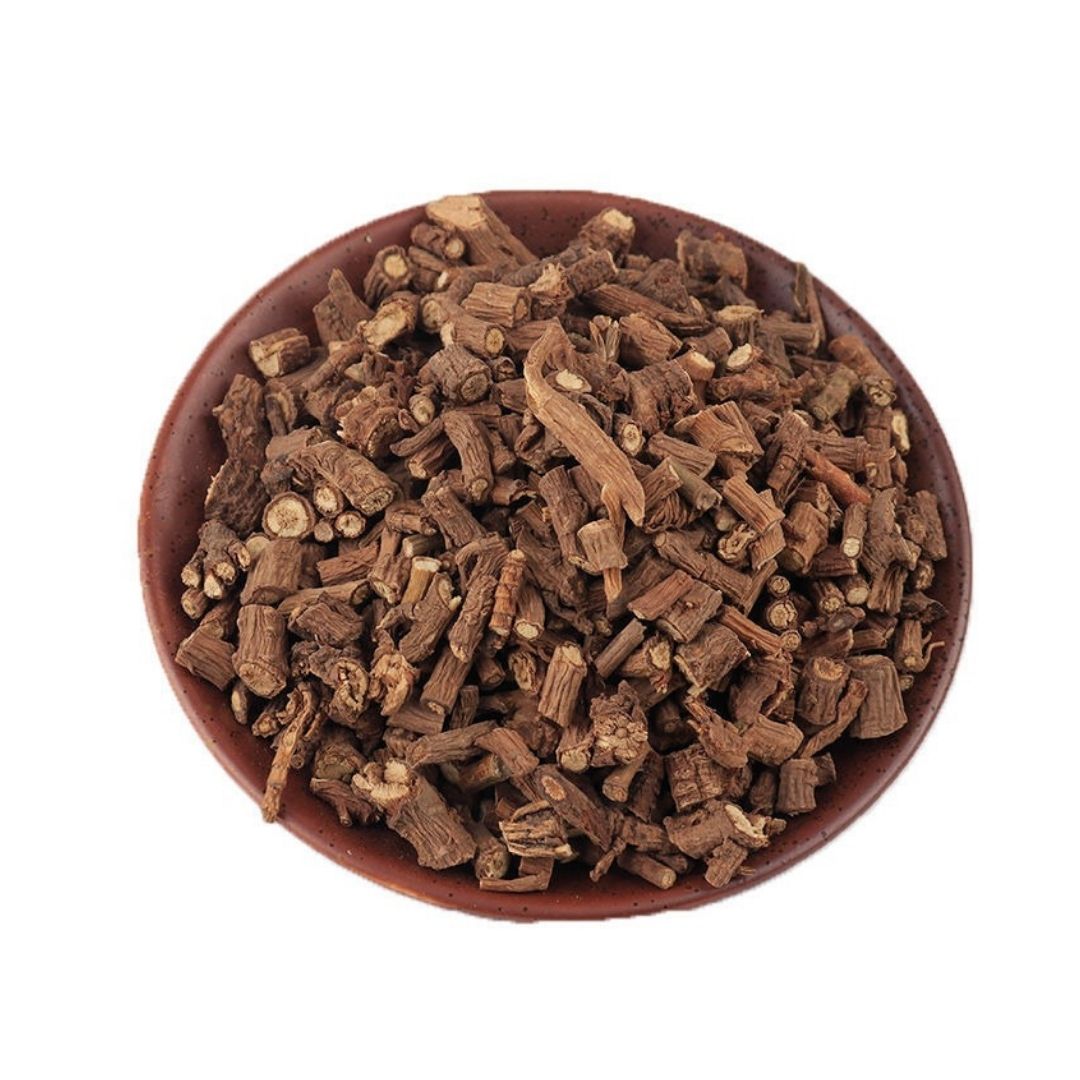
Bupleurum root, known as Chai Hu in traditional Chinese medicine (TCM), is a widely used herb valued for its ability to harmonize the body, particularly the Liver. The herb's use dates back centuries, featuring prominently in classical TCM formulas. It is recognized for its therapeutic effects on emotional well-being and digestive health, making it a staple in herbal prescriptions.
Main Active Ingredients
The primary active components of bupleurum root are saikosaponins, a group of triterpenoid saponins. Saikosaponins, such as saikosaponin A, C, and D, are believed to be responsible for the herb's anti-inflammatory, immunomodulatory, and hepatoprotective effects. Research indicates that these compounds can influence various biological pathways, contributing to the overall therapeutic actions of bupleurum root[^1].
Product Application Scenarios, Usage, and Dosage
Bupleurum root is commonly prescribed in TCM for conditions involving Liver Qi stagnation, such as emotional stress, irritability, and digestive issues like bloating and abdominal discomfort. It is used in formulas to treat alternating chills and fever and to support overall Liver health. The typical dosage of bupleurum root is 3 to 12 grams per day, usually administered in decoctions. The herb is often combined with other herbs to enhance its effects and address specific health concerns, guided by a qualified TCM practitioner[^2].
Introduction to the Source Plant, Distribution, and Growth Environment
Bupleurum chinense and Bupleurum scorzonerifolium, the source plants of bupleurum root, are perennial herbs belonging to the Apiaceae family. Bupleurum chinense is primarily found in northern China, while Bupleurum scorzonerifolium is more widespread, growing in various regions of China, Korea, and Japan. These plants thrive in sunny locations with well-drained soil, often found on hillsides and grasslands. Both species share similar morphological characteristics, featuring slender stems, lance-shaped leaves, and small yellow flowers[^3].
Harvesting, Processing, and Storage
The roots of Bupleurum chinense and Bupleurum scorzonerifolium are typically harvested in the autumn or spring. After harvesting, the roots are cleaned, dried, and cut into thin slices. Proper drying is essential to preserve the herb's active constituents and prevent mold growth. The dried bupleurum root should be stored in a cool, dry, and well-ventilated place, away from direct sunlight and moisture, to maintain its quality and potency for extended periods[^4].
Citations:
[^1]: Zhao, Q., et al. "Chemical constituents and bioactivities of Bupleurum species: A review." Journal of Ethnopharmacology, vol. 210, 2018, pp. 286-303.
[^2]: Bensky, D., et al. Chinese Herbal Medicine: Materia Medica. 3rd ed., Eastland Press, 2004.
[^3]: Flora of China Editorial Committee. Flora of China. Vol. 14, Science Press, and Missouri Botanical Garden Press, 2007.
[^4]: Chen, J. K., and T. T. Chen. Chinese Medical Herbology and Pharmacology. Art of Medicine Press, 2004.
Mia Wu

Hi, I’m Mia Wu! I love helping customers discover the best natural ingredients for their products. With a passion for herbs, spices, and fungi, I work to make sure you get only the finest raw materials. Let's grow together! 🌱✨