

Product Introduction
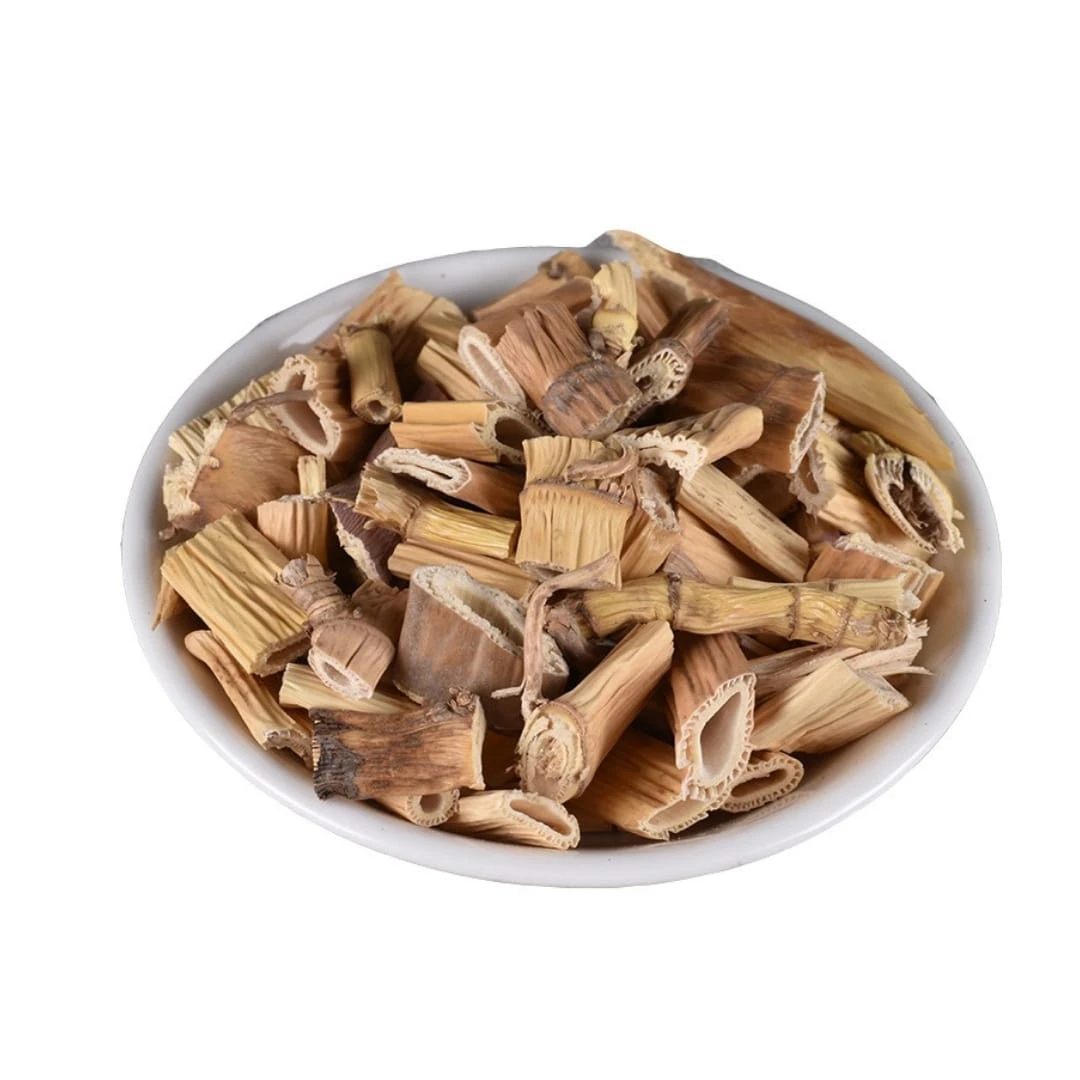
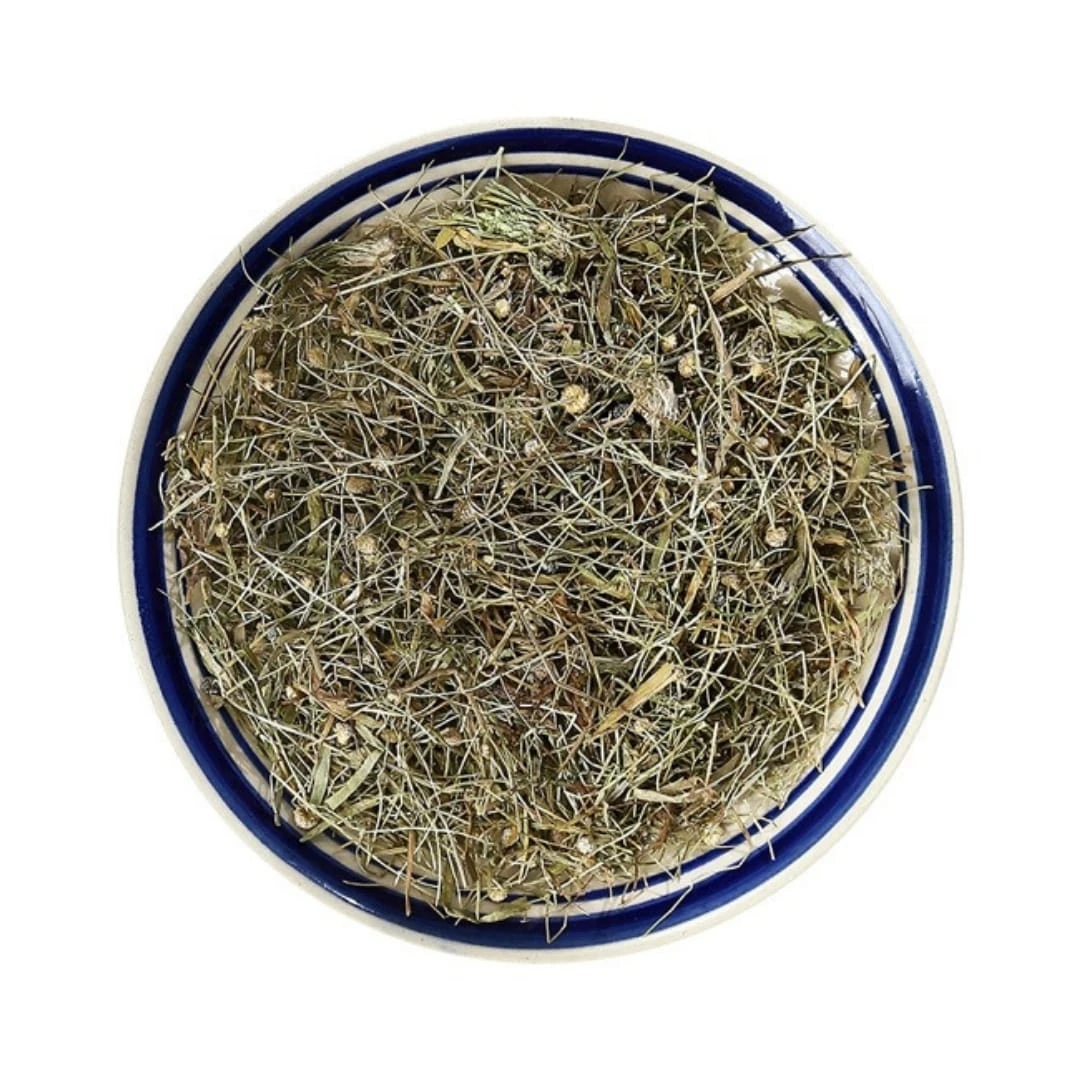
Buerger pipewort, scientifically known as Eriocaulon buergerianum, is a traditional Chinese medicine (TCM) herb valued for its therapeutic properties. The herb has been utilized for centuries in treating various conditions, primarily those related to eye health and detoxification. Its unique chemical composition contributes to its diverse medicinal applications.
Main Active Ingredients
The therapeutic effects of Buerger pipewort are attributed to its key active ingredients. Flavonoids, known for their antioxidant and anti-inflammatory properties, constitute a significant portion. Phenolic acids contribute to its detoxifying effects. Volatile oils present in the plant also play a role in its overall medicinal profile, enhancing its therapeutic value. The combination of these compounds contributes to the herb's efficacy in TCM practices.
Product Application Scenarios, Usage, and Dosage
Buerger pipewort is frequently used in scenarios requiring heat clearing and detoxification. It is particularly useful in treating eye-related ailments such as conjunctivitis and excessive tearing. The herb can be administered in various forms, including decoctions, pills, and powders, depending on the specific condition and practitioner's guidance. The typical dosage of Buerger pipewort in a decoction ranges from 3 to 9 grams, adjusted according to the patient's age, weight, and overall health condition ([National Standard of the People's Republic of China, 2015]). Careful consideration of these factors is essential for optimal therapeutic outcomes.
Introduction to the Source Plant, Distribution, and Growth Environment
Eriocaulon buergerianum is an annual herb that belongs to the Eriocaulaceae family. It typically grows in damp environments such as rice paddies, wetlands, and along stream banks. The plant is characterized by its rosette of basal leaves and slender stalks topped with button-like flower heads. It is widely distributed in East Asia, including regions of China, Japan, and Korea. The plant thrives in moist, nutrient-rich soils, often found in areas with high water tables.
Harvesting, Processing, and Storage
The harvesting of Buerger pipewort typically occurs in the late summer to early autumn when the plant is in full bloom. The entire plant is collected, cleaned to remove any dirt or debris, and then dried either in the sun or using mechanical drying methods. Proper drying is crucial to preserve the herb's active constituents and prevent mold growth. Buerger pipewort should be stored in a cool, dry place, away from direct sunlight and moisture, to maintain its potency and extend its shelf life ([Chinese Pharmacopoeia Commission, 2020]).
Citations:
Chinese Pharmacopoeia Commission. (2020). Pharmacopoeia of the People's Republic of China. China Medical Science Press.
National Standard of the People's Republic of China. (2015). Volume 1 of Pharmacopoeia of the People's Republic of China. China Medical Science and Technology Press.
Mia Wu

Hi, I’m Mia Wu! I love helping customers discover the best natural ingredients for their products. With a passion for herbs, spices, and fungi, I work to make sure you get only the finest raw materials. Let's grow together! 🌱✨