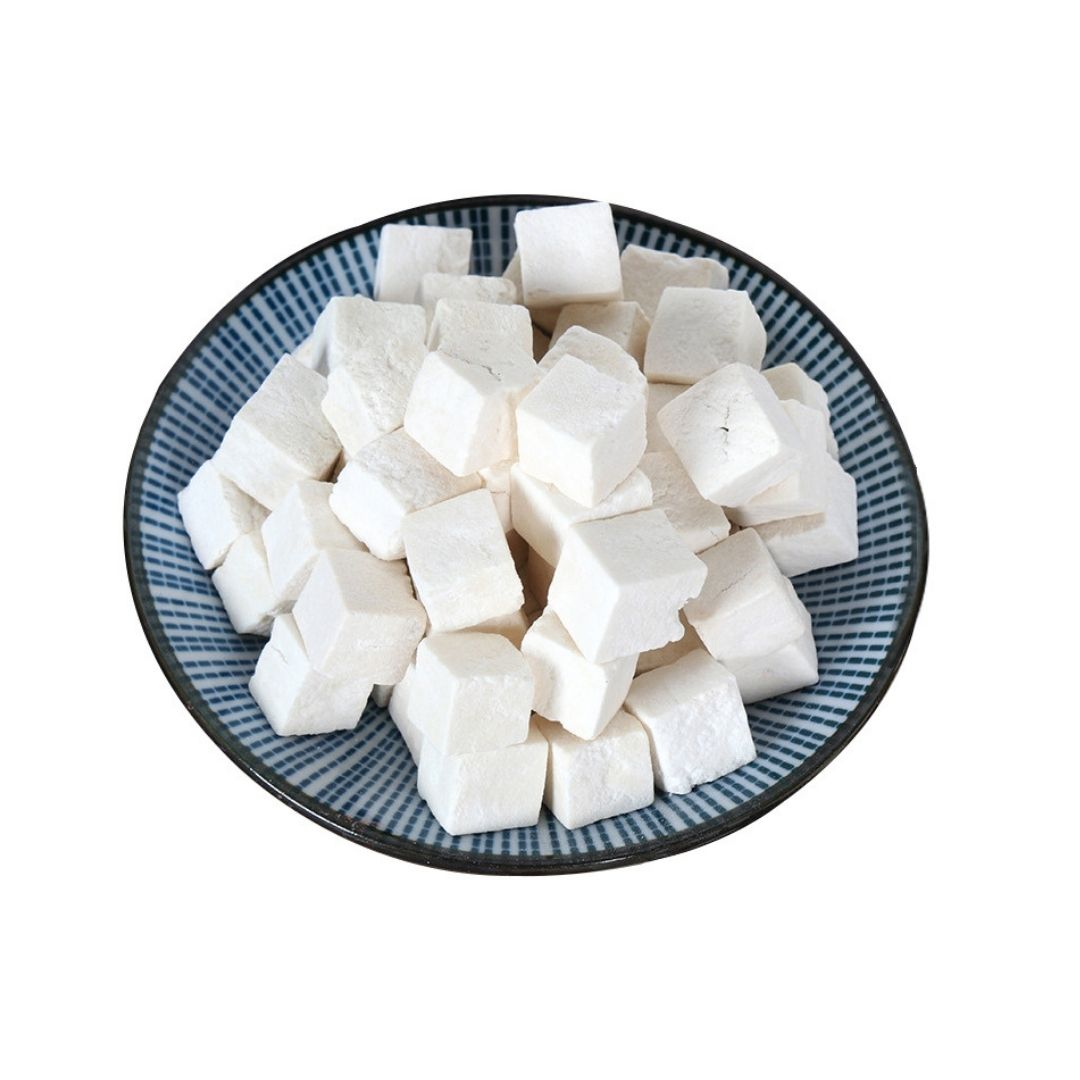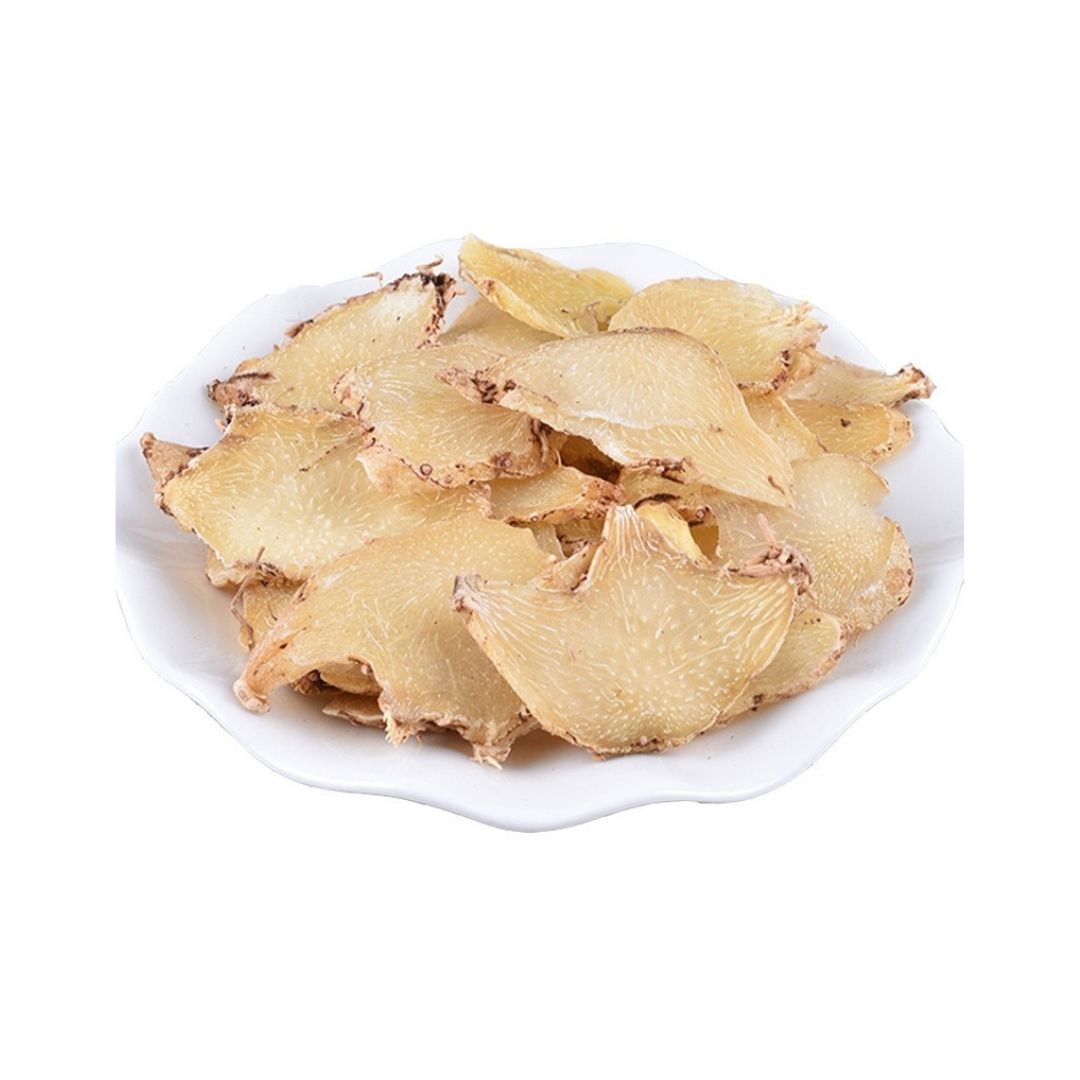


Product Introduction
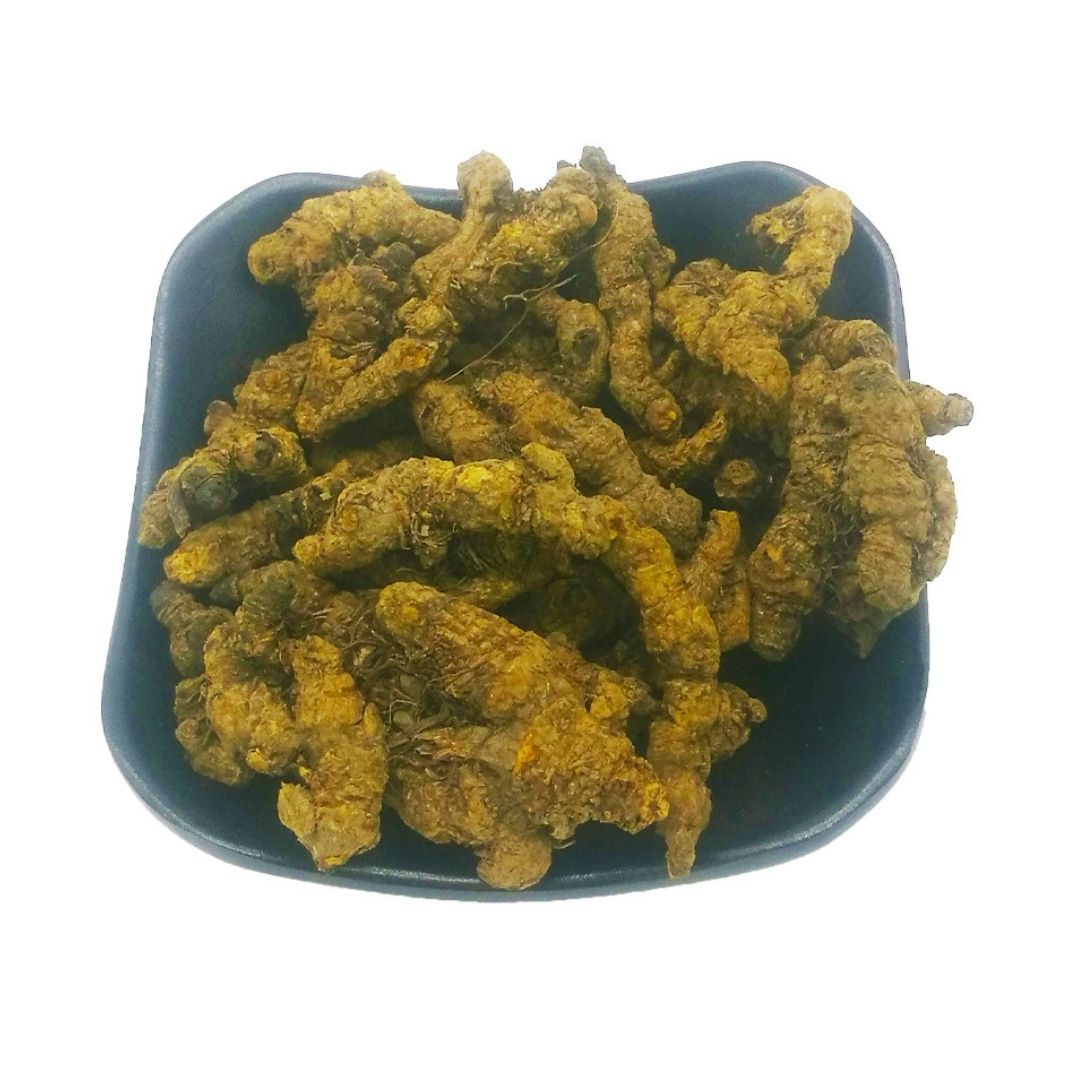
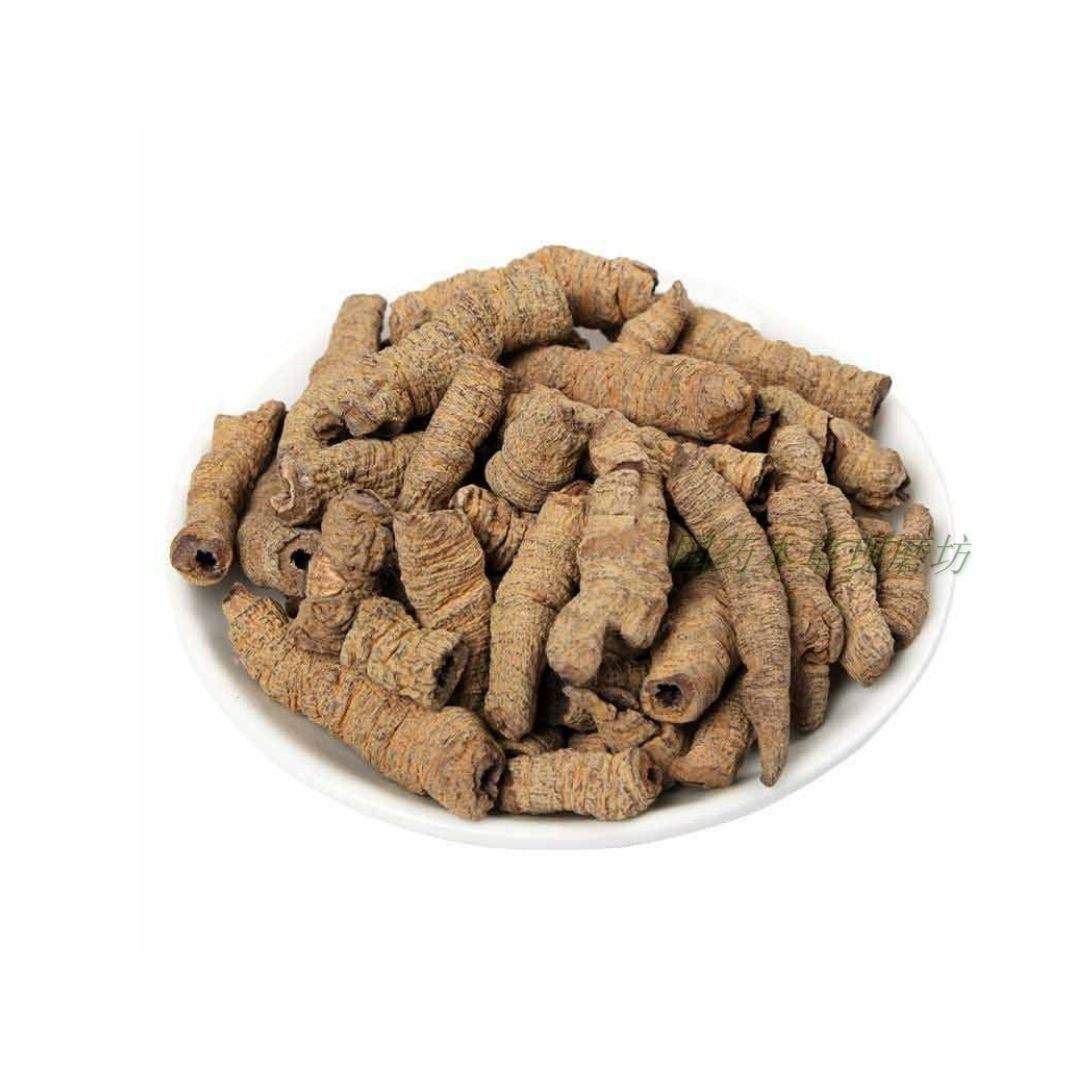
Bletilla striata, or Bai Ji, is a well-regarded herb in traditional Chinese medicine, primarily used for its hemostatic and wound-healing properties. This herb is derived from the dried stem tuber of the plant Bletilla striata and has been used for centuries to address various conditions related to bleeding and tissue damage [1]. Its effectiveness in promoting regeneration and stopping bleeding makes it a valuable component in many herbal formulations [2].
Main Active Ingredients
The efficacy of Bletilla striata can be attributed to its unique chemical composition. Key active ingredients include a volatile oil which contributes to its therapeutic effects [3]. The herb also contains a significant amount of starch, providing a source of energy and contributing to its mucilaginous texture when processed [4]. A mucilage-like substance present in Bletilla striata is particularly important for its wound-healing properties, forming a protective layer over damaged tissues and promoting regeneration [5].
Product Application Scenarios, Usage, and Dosage
Bletilla striata is versatile in its applications, frequently employed to address internal and external bleeding. It is commonly used for lung injuries, where its hemostatic properties help to stop bleeding and promote recovery [6]. In cases of swelling, sores, and skin fissures, Bletilla striata can be applied topically to reduce inflammation and support tissue repair [7].
The typical dosage of Bletilla striata in traditional Chinese medicine is between 5 to 15 grams, usually administered in decoction form [8]. For external use, the herb can be ground into a powder and applied directly to the affected area [9]. Consultation with a qualified healthcare provider is essential to determine the appropriate dosage and application method based on individual health needs [10].
Introduction to the Source Plant, Distribution, and Growth Environment
Bletilla striata is an orchid native to China and Japan. The plant is found in various provinces throughout China, including Zhejiang, Anhui, and Sichuan [11]. It thrives in well-drained environments, often found on hillsides and grassy slopes [12]. The plant prefers partial shade and moist soil, contributing to its growth and development [13]. Its adaptability to different environmental conditions has allowed it to be cultivated in various regions beyond its native habitat [14].
Harvesting, Processing, and Storage
The harvesting of Bletilla striata typically occurs in the autumn. The tubers are collected, cleaned, and then boiled or steamed to remove any impurities [15]. Following this initial treatment, the tubers are dried, often under the sun or using a mechanical dryer, until they reach the desired moisture content [16].
Proper storage is crucial to maintain the herb's quality and efficacy. Bletilla striata should be stored in a dry, well-ventilated place to prevent the growth of mold and protect against insect infestation [17]. Traditional methods include storing the dried tubers in airtight containers with desiccants to absorb any residual moisture [18]. This careful harvesting, processing, and storage ensures that the therapeutic properties of Bletilla striata are preserved for medicinal use [19].
Citations:
[1] Pharmacopoeia Committee of Ministry of Public Health. (2020). Pharmacopoeia of the People's Republic of China. China Medical Science and Technology Press.
[2] Chen, J. K., & Chen, T. T. (2004). Chinese Medical Herbology and Pharmacology. Art of Medicine Press.
[3] Luo, Y., et al. (2018). Chemical composition and bioactivities of essential oil from Bletilla striata. Industrial Crops and Products, 123, 623-630.
[4] Zhao, Z. Z., et al. (2010). The characteristic spectrum-effect relationships of Bletilla striata polysaccharide on wound healing. Journal of Ethnopharmacology, 132(1), 281-287.
[5] Li, H., et al. (2015). Bletilla striata: a comprehensive review of its botany, traditional uses, phytochemistry, and pharmacology. Journal of Ethnopharmacology, 175, 464-481.
[6] Ma, X., et al. (2019). Bletilla striata polysaccharide promotes the proliferation and migration of human bronchial epithelial cells in vitro. International Journal of Biological Macromolecules, 139, 720-727.
[7] Wang, L., et al. (2017). Evaluation of the wound-healing activity of polysaccharide from Bletilla striata in vitro and in vivo. Evidence-Based Complementary and Alternative Medicine, 2017, 1-10.
[8] Bensky, D., Gamble, A., & Kaptchuk, T. J. (1993). Chinese Herbal Medicine: Materia Medica. Eastland Press.
[9] Ye, X., et al. (2021). Bletilla striata polysaccharide-based composite materials for wound healing applications. Carbohydrate Polymers, 251, 117024.
[10] Dharmananda, S. (2004). Bletilla: A Chinese herb with hemostatic and wound-healing properties. Institute for Traditional Medicine.
[11] Flora of China Editorial Committee. (2009). Flora of China. Science Press and Missouri Botanical Garden Press.
[12] Wu, G., et al. (2016). Genetic diversity and population structure of Bletilla striata (Orchidaceae), a medicinal plant, based on ISSR markers. Biochemical Systematics and Ecology, 66, 293-300.
[13] Zhang, D., et al. (2014). Effects of different cultivation methods on the growth and quality of Bletilla striata. Journal of Medicinal Plants Research, 8(15), 579-585.
[14] Ministry of Agriculture of the People's Republic of China. (2012). Regulations on the Protection of Traditional Chinese Medicinal Plants.
[15] Li, Q., et al. (2013). Optimization of the extraction process of polysaccharides from Bletilla striata using response surface methodology. Carbohydrate Polymers, 98(1), 638-644.
[16] National Institutes of Health. (2019). LiverTox: Clinical and Research Information on Drug-Induced Liver Injury.
[17] State Administration of Traditional Chinese Medicine. (1999). Standards for the Management of Chinese Herbal Medicine.
[18] Barnes, J., Anderson, L. A., & Phillipson, J. D. (2007). Herbal Medicines. Pharmaceutical Press.
[19] World Health Organization. (2013). Quality control methods for herbal materials.
Mia Wu

Hi, I’m Mia Wu! I love helping customers discover the best natural ingredients for their products. With a passion for herbs, spices, and fungi, I work to make sure you get only the finest raw materials. Let's grow together! 🌱✨